Black Friday Sale ALL MONTH LONG: Join in November for 20% off membership through 2027 + we'll waive the $109 enrollment fee! Learn More.

What I Notice When Nothing Needs Fixing: A Camp Achva Inclusion Story

Thursday at 2 PM is an ordinary time at camp, which is exactly why I pay attention to it. Most of camp is movement and noise and momentum. The middle of the day is where things either quietly work or quietly come undone. A time when I can see if our inclusion efforts are working or not. 

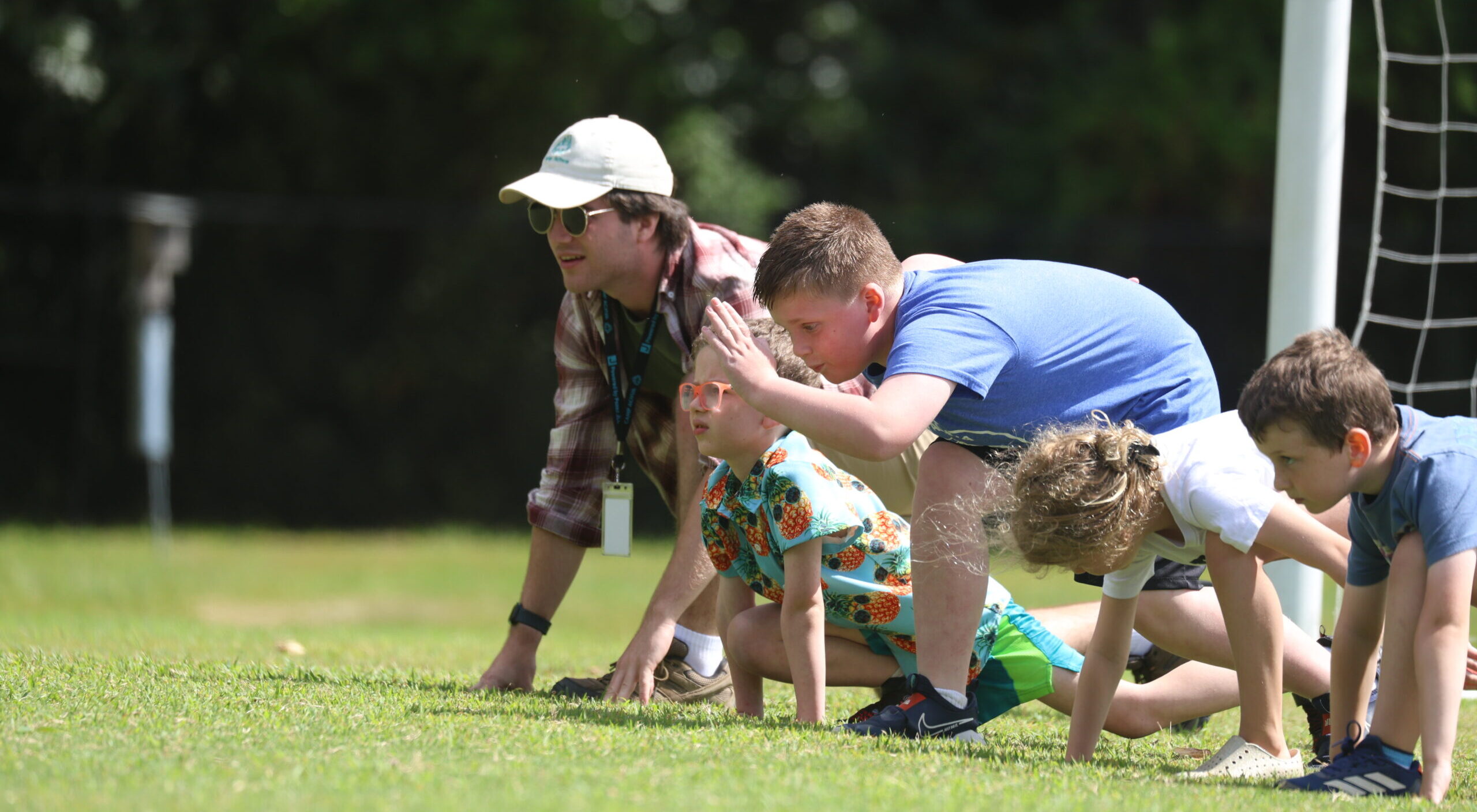
This particular Thursday, I sat by the soccer field behind Gesher, watching a group of campers get ready to play. All was quiet, but my senses were heightened. 

I expected this to be the moment when opting out happened. 

Not dramatically. Just the way it usually does. A child drifting away from the activity. Standing off to the side. Not complaining, but not engaging, either. It’s at these times when staff energy splits, attention fractures, and something small gets carried for the rest of the day. 

It didn’t happen. 

The sports specialist explained the game the way they always do. Rules first. Then roles: players, referees, scorekeepers, ballhandlers. Same voice. Same weight. No explanation for why there were options. No emphasis on specific roles. 

I noticed the pause when the kids looked around before choosing. That moment matters. It tells you whether choice is real or performative. 

One child surprised me. I expected them to opt out entirely. Instead, they chose referee. 

They didn’t know the rules of soccer, and that was fine. Knowing the rules isn’t actually the requirement of our camper referees. They’re there with the specialist to help keep things fair. They’re there to support sportsmanship. I knew they could do that part well. What caught me was more than the choice itself. It was what happened over time. 

The child shifted roles as the game went on. Referee for a while. Then goalie. Then cheering while drinking water on the sidelines. Then back again to referee. When the teams became uneven, I watched staff compensate without making it a big deal. When someone who had opted out earlier drifted back onto the field, no one narrated it. The group adjusted. The game continued. Just as it was supposed to. 

What would have felt off to me was emphasis in the wrong place. Too much attention on the rules. Too much cheerleading for opting out. Language that tried to manufacture meaning from actions. Those things didn’t happen either. 

What I was watching wasn’t about a particular child or a particular need. It was about how the camp environment had been designed so that difference didn’t require explanation in the first place. 

This kind of moment doesn’t come from instinct alone. It comes from years of training. From practice. From feedback from parents, campers, and staff. From slowly releasing the assumption that there is one correct way for a child to show up to an activity. 

When you let go of that assumption, something else happens, too. 

Staff are released from the belief that if a child doesn’t participate in a normalized way, they’ve failed. Kids are released from the sense that if they interact with the activity on a different level, they’ve failed. The work becomes less about coercing engagement and more about holding the group together. 

For me, if the entire group had decided they didn’t want to play soccer and wanted to play tag instead, and everyone could be part of that, that would have been fine. What matters isn’t the activity. It’s the collective decision, and the multiple ways to belong inside it.  

In that moment, I felt proud. Proud of the staff. Proud of the kids. Proud of the camp. Proud that this moment was so routine no one else stopped to notice it. Proud that it didn’t feel fragile. Proud that I work in a place, the Pozez JCC of Northern Virginia, that supports building inclusive conditions like this and understands what it takes to sustain them. 

I couldn’t stay for the whole block. But I sat long enough to know that what I was watching didn’t need fixing.  

This is what inclusion looks like at Camp Achva day to day. Not as a program, but as a practice. It depends on choices that aren’t always visible. On staffing ratios that allow adults to watch instead of manage. On having enough people in the room that no one has to disappear for the group to function.  

When those conditions are in place, moments like that Thursday at camp feel ordinary.  

When they aren’t, moments like that don’t happen at all. 
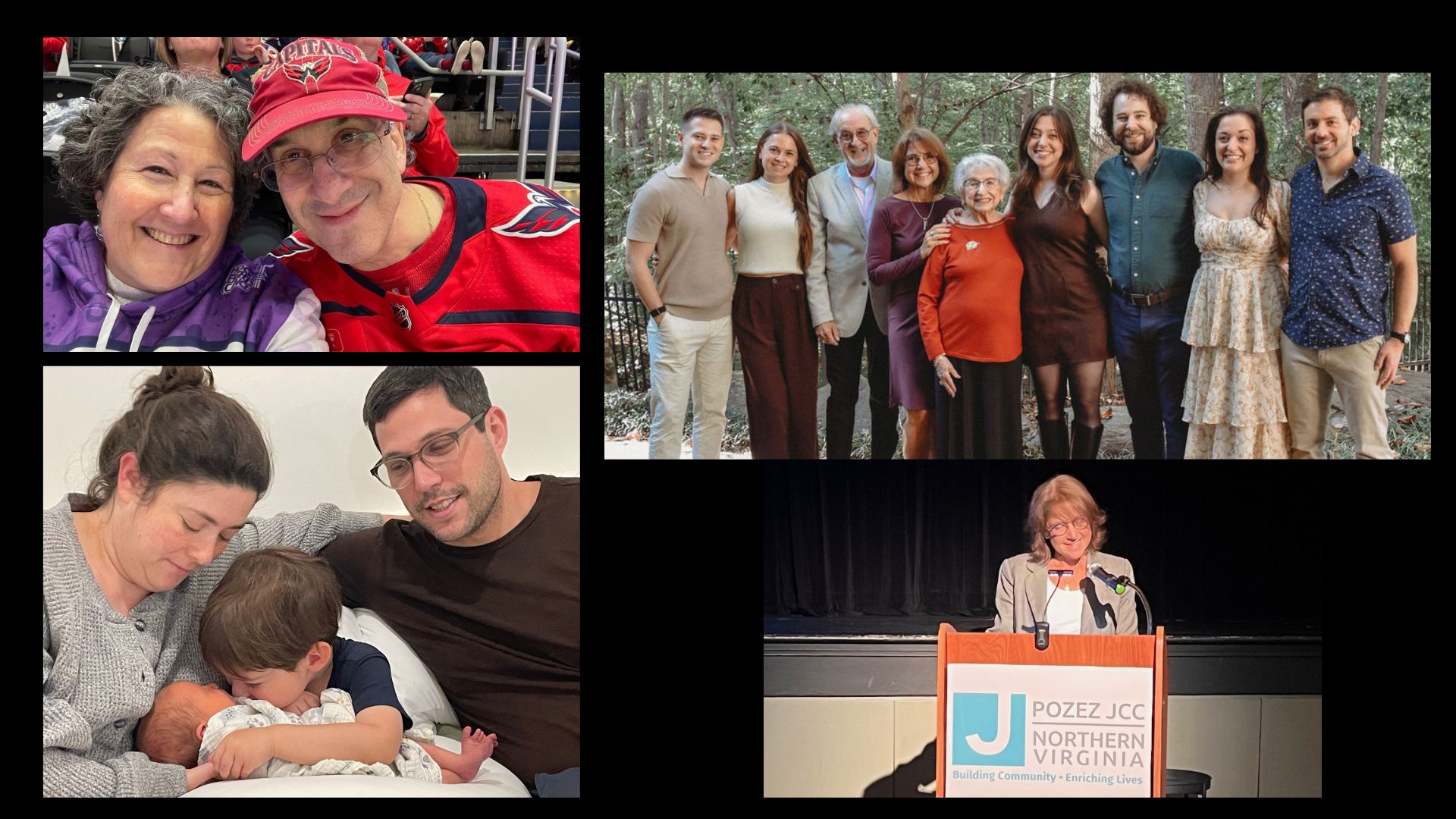
L’Dor V’Dor: How the J Shapes Lives Across Generations

The Pozez JCC of Northern Virginia is the kind of place where time folds in on itself. Where past, present, and future share rooms and hallways. Where belonging can and does stretch across decades and generations. Where preschoolers play with blocks and seniors play card games, all in a shared space.

For some families, the J is part of their story.

It certainly is for the Chabrows.

When Andrea Chabrow walked into the J’s old building as a young adult who was new to the area, she wasn’t looking for a legacy. She’d moved to Virginia for a teaching job and was already thinking about returning to New Jersey. A friend suggested she check out the J’s young adult programs to feel a little more at home.

What she didn’t expect was Michael. She met him in the J’s summer volleyball league, and at first, she wasn’t that impressed.

“He wasn’t really my type, but I had a friend who was interested in him, so of course that made me interested, too,” she remembers.

But then came the dinner with friends, the unexpected warmth, and the moment he showed up at her door helping her move on a rainy day, carrying flowers so drenched that all their petals had fallen off. Something shifted. And from that shift grew a marriage, a family, and a story that would eventually return to the J again and again.

Decades later, their son Bryan found his way back to Northern Virginia after years in Los Angeles. With his wife Sarah and their children Levi, 4, and Olive, 6 months, he returned seeking something familiar — family support, more space, and a sense of community.

They toured a number of preschools, but the J stood out. Levi was already used to a JCC preschool in Los Angeles, and when they walked into the Early Childhood Learning Center (ECLC) in Fairfax, something clicked.

“We really wanted a place with community,” Bryan says. “Somewhere people actually get to know each other.”

Now Levi is thriving there, and Bryan finds himself in the fitness center regularly, learning to work out in a space that feels welcoming rather than intimidating. The J, once the setting of his parents’ love story, has become the place where he builds new memories with his own children.

“It’s nice that it’s a place that has special memories for my parents and that will also have special memories for Levi,” he notes.

The Adler family’s story stretches even further back, woven tightly into the very origins of the J itself.

Laura Adler, today the Pozez JCC’s Senior Director of Marketing and Communications, grew up watching the J evolve because her parents, Dotty and Al Fuchsman, were among those who helped create it. In the early years, her father served on the board, her mother worked on the staff fundraising to make the building possible, and they both worked on various committees for decades.

“I remember licking envelopes at the J’s office on Dorr Avenue and helping with mailings as a kid,” she recalls. “It’s always felt natural to me to be involved with the J and to help build the Jewish community in Northern Virginia.”

Her brother, Michael, was among the first to go to Camp Achva in 1969, back when the camp had only a handful of kids. Laura and her older brother eventually became campers too, and then all three were counselors. It felt like a natural progression when she joined the J’s board as an adult, then joined the staff in 2007.

When Laura and her husband, David, had children, it was important to them that they grew up at the J to feel the same comfort in the Jewish community that they did. The kids attended preschool, participated in after-school programs, spent summers at Camp Achva, and later returned as staff. Until last year, Ilana (now 33) served as the Assistant Director and Family Support Specialist of Pozez JCC’s Sunrise Day Camp.

For Laura, walking into the building feels like stepping into a living scrapbook. She sees the faces of people who are friends of her parents, watched her grow up, and celebrated milestones with her children.

“I feel so at home here, and so does my family. This sense of belonging to this community, the J family, it’s been a constant in our lives.”

What makes the Chabrows’ and the Adlers’ stories remarkable is how seamlessly the J holds these generations together. It’s a place where a preschool class might walk through the lobby on their way to the gym, waving to seniors playing Mah Jongg. Where a young parent can meet new friends who become lifelong companions. Where families who arrived decades apart find themselves connected through shared experiences and shared values.

As Laura puts it, “The J is truly a home for all generations. Through the dedication of our staff and the reach of our programs, we hope that everyone who engages with the J, no matter their age or background, feels welcomed and part of a large, vibrant Jewish family.”

Behind every one of these stories — every wedding that began with a volleyball game, every preschooler’s first challah, every memory made at Camp Achva, every senior who finds connection over coffee — are donors who made it all possible. Their generosity is the quiet engine that keeps the J thriving. They ensure the ECLC can nurture children like Levi, the fitness center can welcome adults like Bryan, and the J can create camps, classes, and celebrations that support families just beginning their Jewish journeys as well as those whose roots stretch back decades.

A gift to the J sustains a community where stories like the Chabrows’ and the Adlers’ can unfold, a community where people of all ages feel welcome, and where legacy shapes the future.

Magic You Can Measure: The Transformative Impact of Sunrise Day Camp 

When most people think about families facing pediatric cancer, words like joy, magic, or hope rarely come to mind. Yet, these are exactly the experiences children and their families discover at Sunrise Day Camp, a free camp for kids with cancer and their siblings held at Pozez JCC.  

At the end of camp this year, we asked families to reflect on their children’s experiences — and what they shared was powerful.  “Sunrise has created magical moments and experiences from raw and heartbreaking situations,” shared camp mom Lindsay D.  

Her sentiment is not only felt by families but backed by research. Between June and August of 2024, the Sunrise Association partnered with researchers from Tel Aviv University School of Public Health to conduct a comprehensive study on the impact of Sunrise Day Camps. The study rigorously measured several core areas of children’s well-being — resilience, quality of life, stress and anxiety, sibling relationships, illness management, well-being, and self-esteem — to see if camp had a positive effect. 

Not only did camp improve resilience and well-being, according to surveys taken before and after the summer, but a third survey conducted 12 weeks after camp showed sustained improvements in key areas (Sunrise Association, 2024). That means that camp continues to enrich the lives of kids with cancer and their siblings long after they say goodbye to their beloved counselors and camp friends. 

While this study did not include our local Sunrise program, our families agree that Sunrise Day Camp improves their lives – especially in three significant areas. Unsurprisingly, their words align with the study’s findings. 

Camp reduces family stress and anxiety 

For families navigating cancer, daily stress can feel overwhelming. Sunrise gives children space to play, explore, and experience normal childhood joys  — and offers parents a rare moment of relief. 

As Ariane G. shared, having her children at Sunrise Day Camp “meant a lot to me, especially during chemo weeks when I could just focus on Daniel and not worry about what my other children were doing at home. Also, during tough weeks with multiple ER visits, it’s nice that my other children are busy at camp instead of worrying about their brother.”  

Not only do parents feel the Sunrise effect, but children carrying the heaviest emotional burdens also feel their stress ease and their spirits lift in the camp environment. 

Summer fun together improves sibling relationships  

Sunrise Day Camp prioritizes creating a space where siblings can be silly, play, and enjoy each other — even when treatment realities feel heavy. Parents say that camp allows their children to bond with each other and feel like kids again. The study highlights that camp meaningfully supports sibling relationships, easing tensions and strengthening family unity. 

This return to normalcy helps siblings reconnect and build stronger bonds, even during the most challenging seasons. 

Sunrise Day Camp builds resilience in campers and their families 

Some families at Sunrise face unimaginable loss, while others are in the midst of grueling treatment. In every situation, Sunrise helps children and siblings build resilience as they navigate hardship. 

The Sunrise Association’s impact study reported that “resilience increased significantly across the board, with children leaving camp more emotionally equipped to handle adversity.” This held true for both diagnosed campers and siblings.  

Sunrise makes long-term connections with its families, who are welcomed back at Sunrise Day Camp year after year — including siblings who continue attending after the loss of a brother or sister. 

“Last year, our eldest son attended while battling brain cancer. Sunrise gave him a place to just be a kid, surrounded by understanding, compassion, and fun,” a camp mom shared. “After his passing last September, it meant the world to us to see his siblings welcomed back with the same warmth and joy he experienced. We cannot thank the camp staff enough for the kindness, energy, and heart they pour into this program. It has brought happiness to our children during both the hardest and most hopeful seasons of our lives, and we will always be grateful.” 

Your support of Sunrise supports the well-being of entire families 

The numbers don’t lie: The magical experiences families describe at Sunrise Day Camp are not only deeply felt but also have a measurable, transformative impact on the well-being of children with cancer and their families. 

Sunrise Day Camp relies on the generosity of our community to offer this amazing service and support to families impacted by pediatric cancer. We do not charge families a single dollar to attend camp. Every moment of joy, every friendship formed, every boost in confidence is made possible because of community members who care.  

Your support will help Sunrise ensure that the magic of camp continues to brighten the lives of children with cancer and their siblings year after year. It costs $6,000 to give one child a full summer of camp and year-round programs — your gift can make that possible. 

Donate now: https://give.thej.org/campaign/637140/donate  

Hakarat hatov: A Jewish gratitude practice for Thanksgiving

 As Thanksgiving approaches, I am reminded of the power of the Jewish value of hakarat hatov, looking for the good.  When the seasons change and I miss the warmth of summer, hakarat hatov reminds me to see the beauty in the world through the changing colors of the leaves.  When life feels hard, simple things, like my favorite lavender soap or a minute of sun on my face, bring a smile to my face and help me keep a positive attitude. 

Hakarat hatov, like any gratitude or positive-thinking practice, challenges our hard-wired negativity bias as humans who are conditioned to scan our environment for threats. Jewish sages must have understood the need for a regular practice to build our gratitude muscle, and so hakarat hatov is built into Jewish tradition. Every morning, the Modeh Ani prayer reminds us to be grateful, and prayers of gratitude are included in every holiday.   

As simple as it sounds, daily gratitude practices are powerful. I am amazed at the peace and calm that settle over my children and me when we focus on specific things we are grateful for at the end of the day. The practice even sets the stage for better sleep. As a life coach, I witness how my clients shift perspectives after adopting regular gratitude practices and how they find growth and energy when they look for the good. 

As Thanksgiving approaches, what regular gratitude practices can you lean into?  What are you grateful for today, this week, this month, this year? 

This year, I am grateful for the community I have found at Growing Jewish Families and the larger Pozez JCC of Northern Virginia.  As the new J-Family Ambassador Program Manager, I have been uplifted by the passion, values, and hospitality that overflow from the JCC’s staff and programming.   

Growing Jewish Families cultivates community by connecting families raising young children in a Jewish environment in Northern Virginia. The team of J-Family Ambassadors works to build community among young Jewish families by region by bringing gift bags to new parents, connecting with parents over coffee, creating online communities, and hosting family events focused on joyful Jewish learning and socializing. 

If your family has a child up to age 6, one of our J-Family Ambassadors is eager to welcome your growing family into our Jewish community. Here’s how you can get connected: 

 
Don’t have young kids? You can help families connect to their Jewish heritage and our community with your year-end gift to the Pozez Jewish Community Center. Donate here. 

Cultivating Empathy in the ECLC: Empowering Conflict Resolution and Repair with Young Children 

“Say you’re sorry.” 

“Give a hug.” 

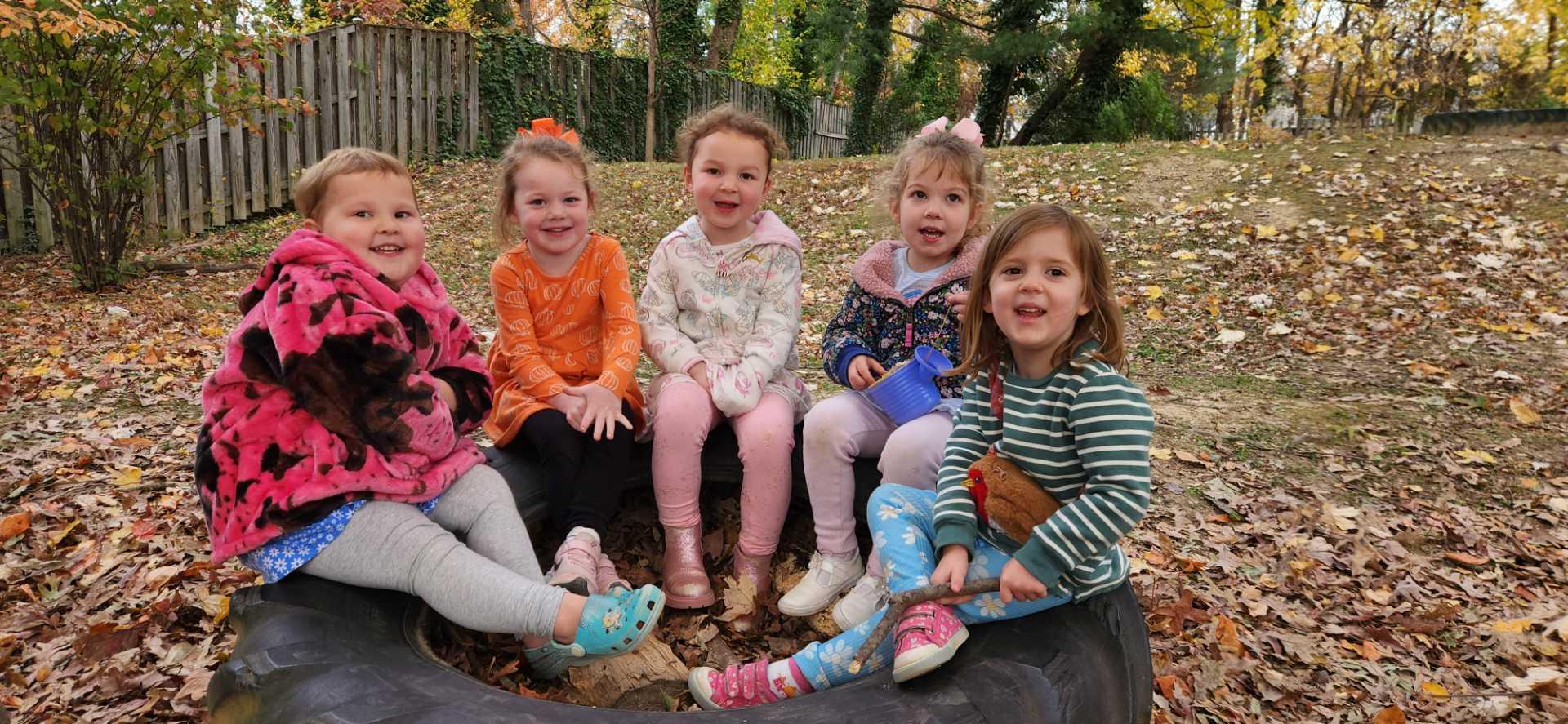
These are typical adult responses when conflict arises among young children. But are they the best instruction for developing brains? Within the ECLC, Pozez JCC’s Early Childhood Learning Center, we have spent a lot of time reflecting on what it really means to just say sorry when one child upsets or hurts a peer. 

The word “sorry” to young children (not to mention to many adults) is merely a word said to excuse whatever wrong was done. In my role as an educator and the ECLC’s Pedagogista, I have witnessed many a child, once prompted to say “sorry,” run off to happily engage in something else, while the other child remains hurt and upset.  

Telling children to “give a hug” to resolve conflicts presents additional concerns. Young children are developing foundational understandings of selfhood, bodily autonomy, and agency. While hugs can be a wonderful means of connecting, forcing hugs as a means of resolving conflict can have the opposite effect, especially when it disregards the child’s level of comfort with physical touch.   

So how might we more intentionally address altercations between young children? The ECLC educators have been developing an approach to conflict resolution and repairing harm that takes inspiration from restorative justice practices and principles. Restorative justice centers on relationship repair, accountability, and the needs of all involved parties.  

What does this practice look like? Say Rachel knocks down Eli’s block tower. An adult will prompt Rachel to check in on her distraught friend, giving her the words to ask: ”Are you ok?”  

Space is then held to listen to Eli’s response. If he replies “no,” the next step is for Rachel to ask, “What can I do to make you feel better?” This allows her to hold accountability and seek to repair the harm done. 

Again, space is given for Eli to respond. This is a critical part of the process, ensuring that his expressed needs are heard. He may state that he’d like Rachel to apologize or request that she help him rebuild the toppled tower. Frequently, I’ve heard a child state that they want the other to “be more careful” or “try not to do that again.”  

In this scenario, the adult facilitators would also check in with Rachel to address her needs, as well. They might say, “I saw that you knocked over Eli’s tower. Were you wanting to play with him? We can ask Eli if you can join in his play, or maybe you can build your own tower to knock down.”  

Addressing conflict and harm in this way inevitably takes more time and effort to facilitate than simply telling children to “say sorry.” Yet overwhelmingly children from the ECLC’s 3s and 4s classes have adapted to this new approach. While some children need an adult to model the check-in process for them, by midyear, most children can actively facilitate this themselves. It’s a truly remarkable transformation to witness!  

Through this process, the children can practice problem solving and explore how to better relate together. In a global state of increasing polarization, the ECLC’s hope is that a foundation can be built in this youngest generation that centers on a value of relationships, a recognition of the interconnectedness of us all, genuine care for repairing harm and resolving conflict, and a cultivation of empathy to support a better world.  

Young children have a miraculous way of revealing to us as adults what it really means to be human. If they can learn these important skills, so can we. 

—– 

At the Pozez JCC’s Early Childhood Learning Center (ECLC), we cultivate curious, confident learners. Inspired by the Reggio Emilia approach, our nurturing environment fosters each child’s social, emotional, cognitive, and physical growth through rich, interactive experiences. We embrace Jewish values within a universally inclusive curriculum, recognizing every child as capable, competent, and deserving of respect.  

Support our mission to nourish the growth of our youngest learners with a donation to the JCC or contact the ECLC to set up a tour of our licensed preschool and childcare facility. 

Find Your Chosen Family at the J

When you don’t have family nearby, holidays can feel more intimidating than joyful. 

I moved to Northern Virginia in April 2016, the week before Passover. We didn’t know anyone Jewish in the area, and as our home was still half full of boxes, we asked a local synagogue to match us with seder hosts. Their hospitality was lovely, but making small talk over matzoh while keeping an eye on a fidgety preschooler and toddler was awkward. I wasn’t keen to repeat the experience for the fall holidays. 

That gave me nearly half a year to find “my people” — new friends to share my holiday table at Rosh Hashanah, Sukkot, and Chanukah. But where do you meet people as the parent of small kids when you work from home? The answer turned out to be the J. 

Every afternoon, I drove to the J to pick up my kids, first at the ECLC then at camp. Inevitably, my daughter would refuse to put on her shoes, so we would wait in my son’s preschool classroom until she was willing to put on outerwear. Once summer came, I had to physically extract my son from his beloved counselors on a daily basis, which always took longer than expected. Needless to say, I spent a lot of time at the J! 

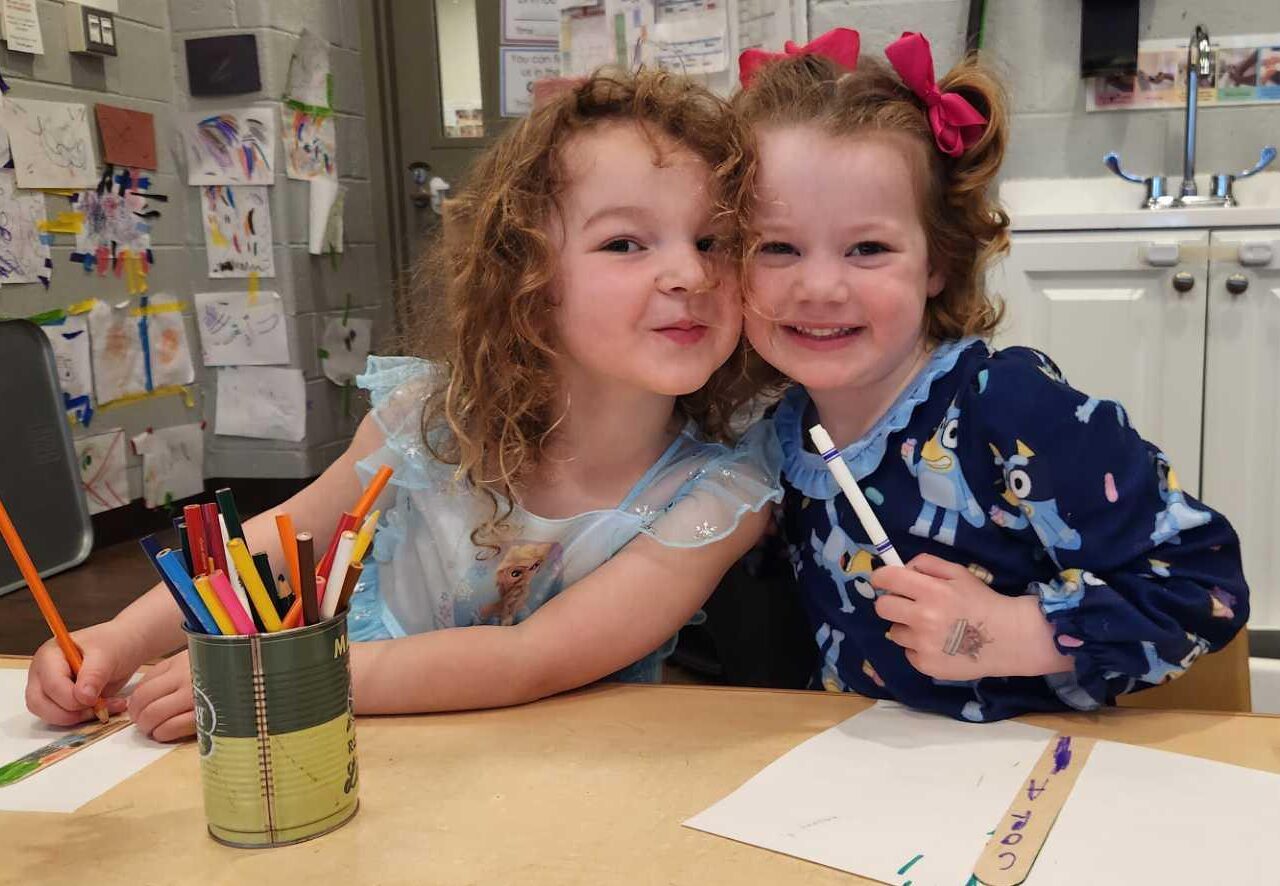
Which meant I started to recognize and talk to the “regulars” there. I chatted with other preschool parents when we arrived at the same time to pick up our children, waiting for the kids to shed their Elsa dresses or finish their art projects. I said hi to folks I recognized from our synagogue, and we asked each other what brought us to the J. Conversations turned into play dates and occasionally a Shabbat dinner. 

I also connected with the J’s Growing Jewish Families program. I met one of the ambassadors for coffee, and she told me about area events, such as apple picking and ice cream socials, perfect for meeting other families with young kids. 

I even started talking to strangers! I always crossed paths with this one woman, who was about my age with curly hair just like mine; on more than one occasion, folks at the J confused me for her. I finally had a real conversation with her when we both showed up to a planning meeting for a new women’s Rosh Chodesh group. It turns out she worked for the J and was also an ECLC parent, plus we shared a Boston connection. Her family was one of the first people I invited over to my new house, when my dining room was set for hosting but my living room still had no furniture. 

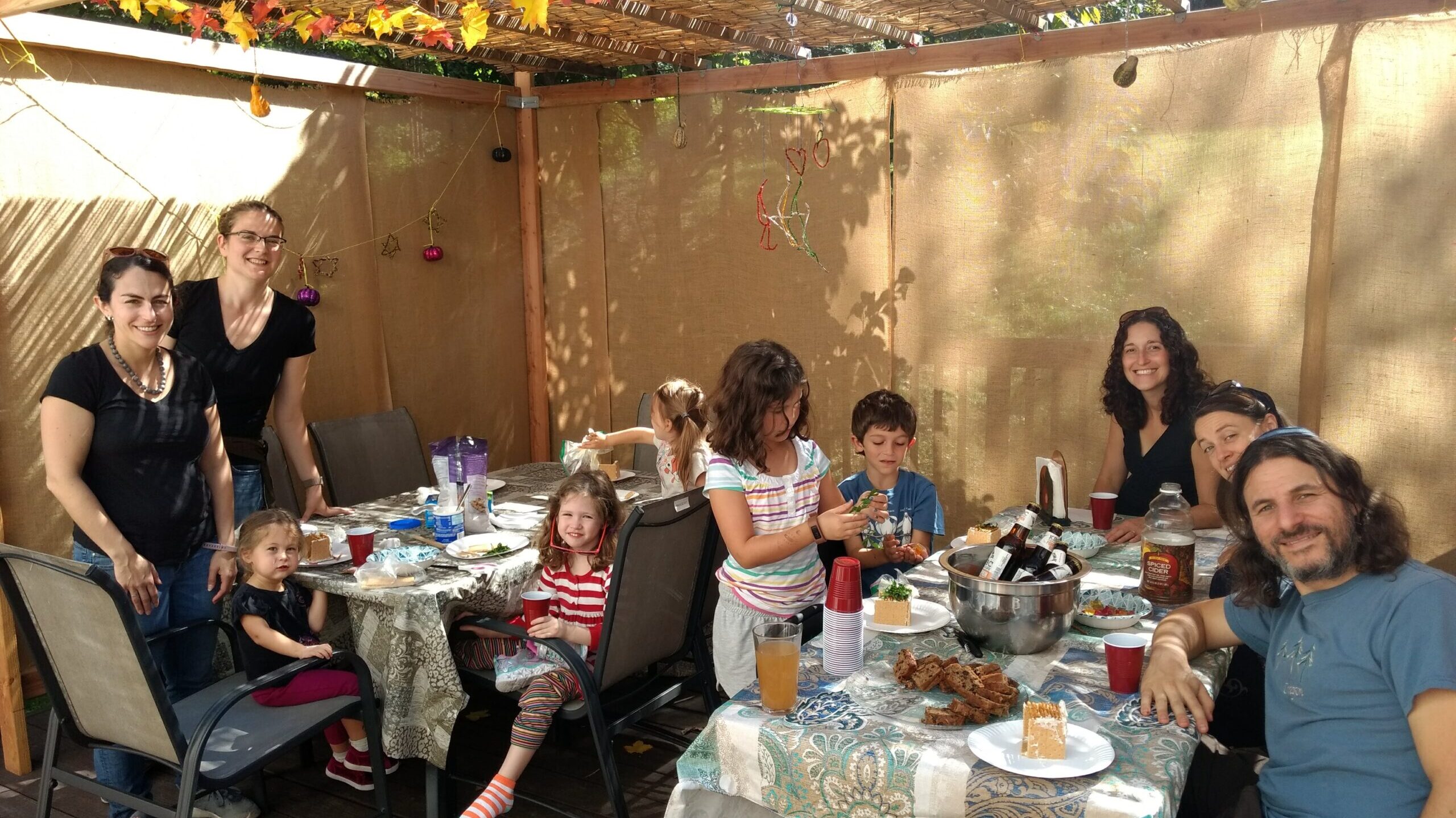
Thanks to the J, when the holidays rolled around again, I had a new, chosen family to invite to my Rosh Hashanah dinner and Chanukah party. No need for holiday blues or awkward small talk with strangers. 

Whether you’ve moved here for work or to be closer to your grown children, or you’re a longtime resident whose friends and families have moved away, you, too, can find your people at the J. Make a friend at a pickleball or mah jong class, chat with fellow parents at preschool or Chai 5 aftercare pickup, find a workout buddy at the J-Fit gym, or connect with others over volunteer work, art openings, and speaker events. Your holiday table – not to mention your social calendar – may soon fill up. 

Ready to make new friends and discover your chosen family? Check out the J’s calendar of events to find a program that fits your schedule and interests. 

Honoring Coming Out Day: A Guide for Parents

October 11 is National Coming Out Day, a date that represents a complex mix of pride, courage, self-acceptance, fear, and excitement for members of the LGBTQ+ community. For anyone navigating the emotions and conversations surrounding this day, the Pozez JCC remains committed to being a safe and welcoming home for all families and individuals. We encourage you to read our guide for parents as we reaffirm our dedication to providing a truly inclusive space where every member of your family feels seen, supported, and celebrated. 

Navigating the process of coming out can be challenging, and recent data underscores the importance of parental support: As of 2022, 40.9% of LGBTQ+ youth in the United States were out to their parents/guardians, 34.3% were out to their siblings, and only 4.1% were out to their extended family, according to the Human Rights Campaign Foundation’s survey of 13,000 LGBTQ+ kids (ages 13 – 18).   

Why is each percentage below 50%? Because more than half of the kids that do come out experience negative feedback from their parents and family. Children are afraid of facing rejection from their parents and that makes them reticent to come out. 

Luckily, over half of kids who come out have also experienced positive feedback from their families, with parents and guardians reassuring them that they like them for who they are or speaking positively their LGBTQ+ identity. 

So, what should you do if your child or school-aged family member comes out to you? In honor of National Coming out Day, here is some advice about what to do and what not to do: 

What to Do: 

Tell them you love them no matter what 

This is the best thing to say first, before you say anything else — even if your child’s announcement is hard for you to hear. It is also okay to say you need some time to process but say it gently and only after you’ve let them know you love them. Your child will wonder if you still care for them in the same way, and the wondering is enough to damage your relationship.  

Do your research  

Many resources exist online for parents with LGBTQ+ children. Do some research to learn what your child is experiencing, how to support your child, and how to cope if you are struggling with the change. Even trying to understand is better than nothing.  

Be open-minded 

Nearly 1 in 10 U.S. adults identify as LGBTQ+, so there is always a possibility that one of your children identifies this way, as well. If you let yourself be open to the idea of having a child in the LGBTQ+ community from the start, acceptance will come more naturally. 

What Not to Do: 

Don’t respond that you wanted grandchildren 

Gay and transgender people can have children! Adoption, IVF and surrogacy are all ways  members of the LGBTQ+ community can have children. Rest assured you may still have biological grandchildren, though you have no guarantee, even with a straight child, that your son or daughter will want children one day. 

Don’t ask when or why they chose to be gay 

Being LGBTQ+ is not a choice. It’s a choice to accept that part of oneself and it’s a choice to come out, but sexuality and gender are intrinsic. Gender identity is not only influenced by psychosocial factors like societal beliefs and innate sense of self, but also biological factors out of someone’s control, such as naturally higher levels of testosterone. Sexuality, similarly, is not something one chooses but something that is a part of you. Consider that you didn’t choose your sexuality, either.  

Don’t pretend they never told you 

Many parents fall into the trap of feeling like they’ve accepted their child’s identity but continue to ask them heteronormative questions. Do not ask your bisexual daughter, “When will you get a boyfriend?” or your transgender son if he wants to go dress shopping for prom. It’s not enough to accept them only in the moment they come out. It may take a conscious effort but be considerate about the things you say and whether or not you are erasing part of their identity with your thoughts and questions.  

These are just a few ways you can make coming out easier for your child. Though it’s incredibly important to accept and love your child no matter what, it can also be challenging for some parents to reimagine their child’s future self.  

My number one recommendation is to start your parenting journey with an open mind. Be curious about your child. Expect the unexpected. You are only in control of your own thoughts and actions, not theirs.  

Love your children — whether they’re gay, straight, bisexual, trans or nonbinary. Love them for who they truly are, and everything else will follow. 

Resources for families of LGBTQ+ individuals: 

To close, remember that providing unconditional love and support is the most powerful tool you have as a parent or guardian. Your efforts to research, learn, and offer positive affirmation can dramatically change your child’s experience for the better. At the Pozez JCC, we are proud to be a warm and welcoming community that celebrates diversity, inclusion, and belonging every day. Whether you are seeking resources, connection, or simply a safe space for your family to gather, know that you are seen, valued, and welcome here exactly as you are.  

Sunrise on Wheels: How Pozez JCC is Bringing Joy and Normalcy to Children Facing Cancer

At just 7 years old, John has already faced more than most of us can imagine. Since being diagnosed with cancer at the beginning of this year, he has endured seven grueling rounds of chemotherapy. Much of his young life has been spent in hospital rooms, where days blur together and the walls seem to close in.

But then, a knock at the door changes everything.

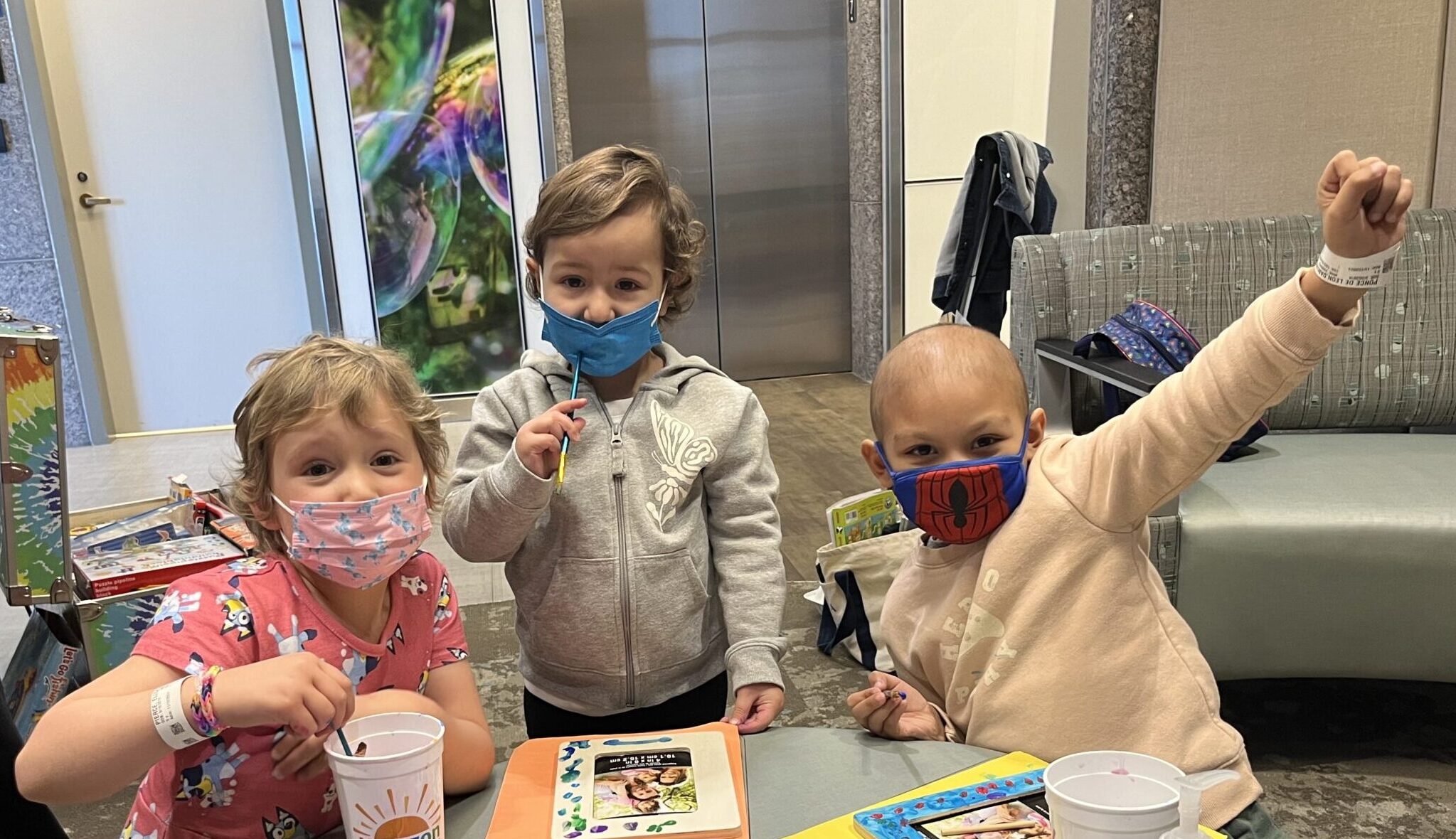
Sunrise on Wheels, a program brought to our community by the Pozez JCC (the J), rolls in with its rainbow-colored trunk, overflowing with games, crafts, and toys. Suddenly, John’s hospital room isn’t just a place of treatment, it becomes a place of laughter, creativity, and color. It becomes a place where a little boy can be a little boy again.

“During the weekends, there aren’t many activities in the hospital, so when Sunrise on Wheels comes by during the week, it’s a bright spot,” said John’s mom, Jennifer Worthen. “It really helps break up the monotony of being stuck in a hospital room.”

For John, that bright spot often looks like an intense game of Uno or building Lego towers taller than his IV stand. His 9-year-old sister, Claire, loves painting picture frames and birdhouses right beside him. For Claire, Sunrise on Wheels is just as meaningful.

“My daughter really loves joining in on the painting projects and crafts,” Jennifer said. “It means a lot to us because she sometimes feels left out with all the attention on John. Including siblings helps keep the family whole during tough times.”

That’s the heart of Sunrise on Wheels: making sure no one feels left out. This in-hospital extension of the Sunrise Association brings camp-like experiences directly to children with cancer and their families. Thanks to the Pozez JCC’s partnership with Sunrise, staff and volunteers don’t just deliver activities, they deliver hope, companionship, and a sense of normalcy when life feels anything but normal.

“They get so excited the second we walk in the door,” said Kaitlyn Konicki, the J’s Sunrise on Wheels Coordinator. “Some kids have month-long treatment plans, which is a long time to be in the hospital. Knowing they have a special time to look forward to with us brings so much joy.”

Every Monday at Children’s National Hospital in Washington, DC, and every Tuesday at Inova Schar Cancer Center in Fairfax, VA, Sunrise is there, transforming hallways into playgrounds and patient rooms into art studios.

“Tuesdays are one of the busiest days now in the pediatric outpatient infusion clinic because families specifically ask to come then,” Kaitlyn shared. “That kind of enthusiasm from families and hospital staff is pretty magical.”

Sunrise on Wheels embraces all children facing complex medical challenges, from cancer diagnoses to blood disorders to bone marrow transplants. The guiding philosophy is simple but profound: no child is ever turned away.

That philosophy has made all the difference for families like Ula Holland’s. Her daughter, Layla, was diagnosed with Acute Lymphoblastic Leukemia in December 2023.

“Layla’s clinic visits can be tough,” Ula said softly. “She often feels nauseous and tired. But after we started visiting Sunrise on Wheels, I noticed a real change. She started talking about the crafts she made and the games she played instead of focusing on her treatment. She loves drawing and arts and crafts the most – painting, creating watercolors, decorating picture frames.”

Layla has a twin sister and a younger brother. With her husband serving in the military, Ula often juggles caregiving alone. For her, Sunrise isn’t just about the crafts, it’s about breathing space.

“I often take a quick break to make phone calls or use the restroom, and I know she’s happy and safe,” she said. “The volunteers aren’t just providing activities, they’re building relationships, remembering Layla’s name, and making her feel seen and special. That warmth means everything.”

Jennifer uses that time to catch up on the two jobs she works.

“I’m still working full time remotely and running a side business,” she explained. “When Sunrise is here, it gives me a break to get work done or take a meeting. It’s a difficult balance, but Sunrise makes those tough days easier.”

Since January 2024, nearly 350 families have experienced that magic through Sunrise on Wheels, families whose children range from infants to young adults in their early 20s. The smiles, laughter, and hugs that fill the hospital halls each week are testaments to the volunteers’ dedication and the partnerships forged with hospital staff.

“It’s challenging but so worth it,” Kaitlyn reflected. “Helping someone forget for a half hour that they’re in a hospital is powerful. Families visibly relax when we come in. Shoulders drop, smiles appear, and there are always hugs. We’re here to give these kids the fun and joy they deserve.”

For children like John and Layla, Sunrise on Wheels doesn’t just brighten hospital days, it restores childhood, even in the hardest moments – a living expression of the J’s mission to build community, create belonging, and bring joy to each and every family.

To learn more or volunteer with the J’s Sunrise on Wheels program, visit thej.org/volunteer/sunrise-on-wheels.

The Last Day at Camp Achva: Where Memories Become Forever

Camp is more than a season—it’s a community.

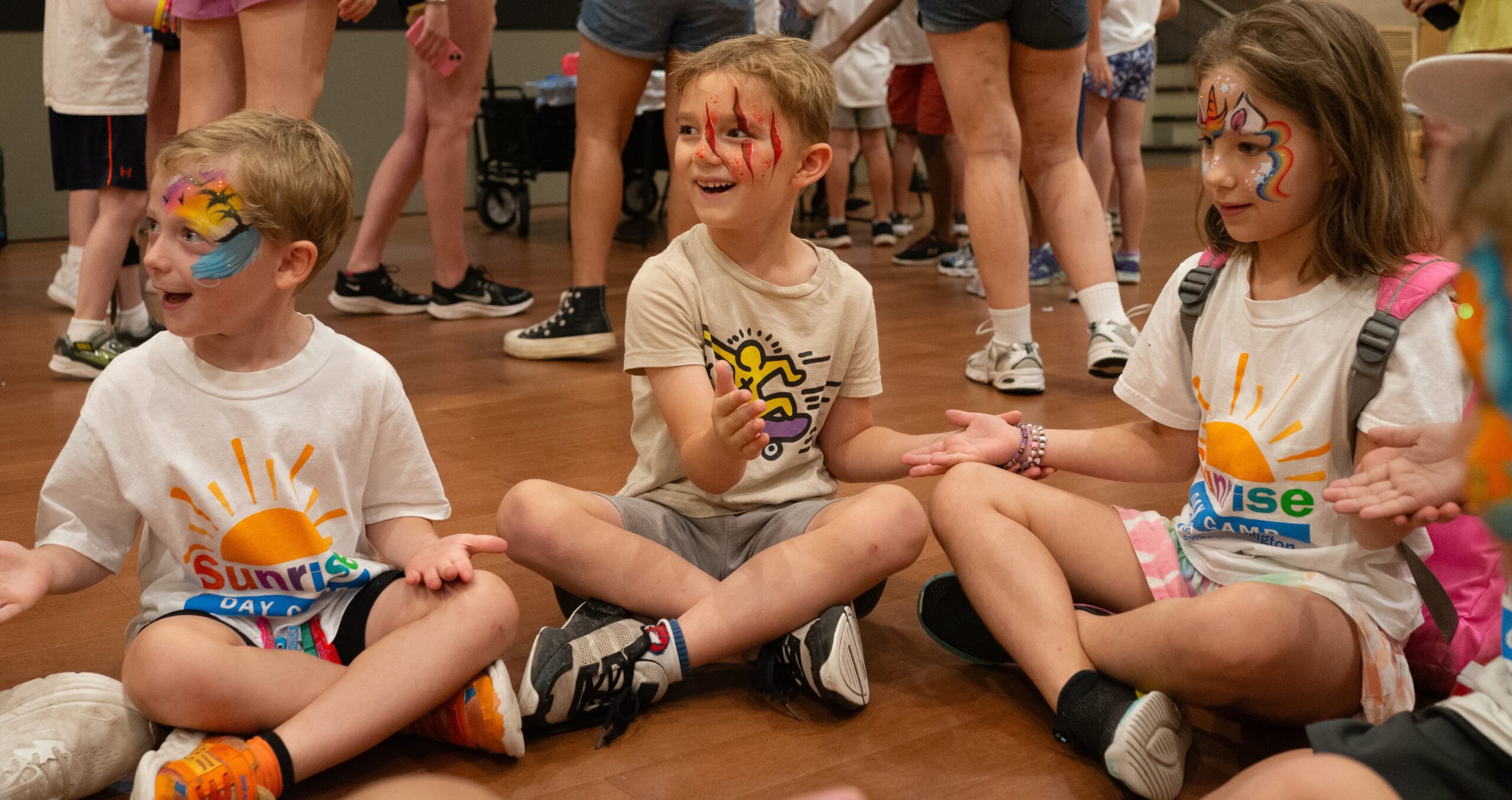
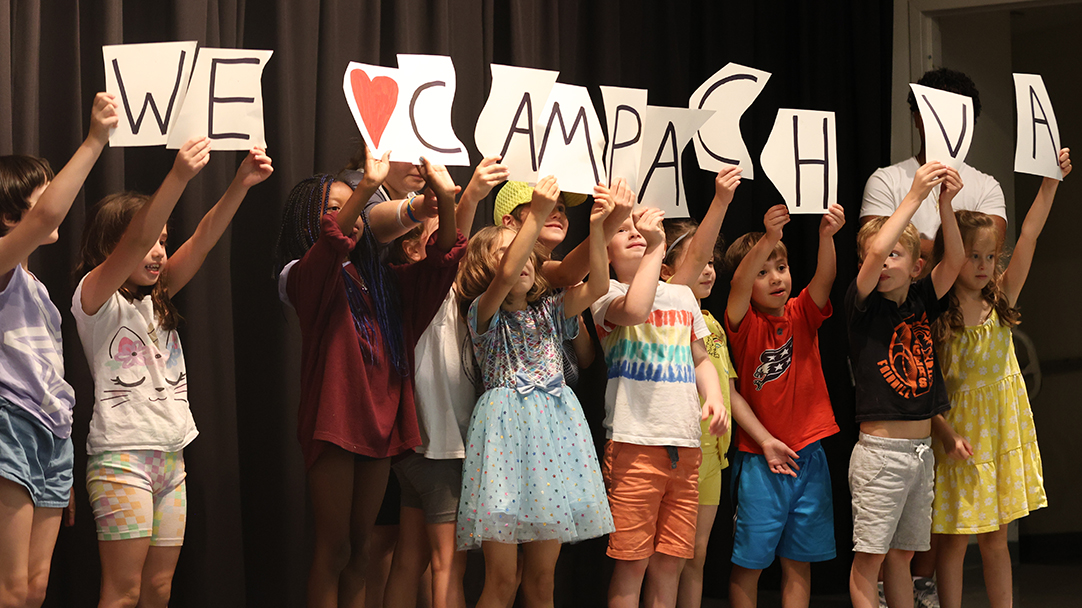
There’s something about the last day of Camp Achva that’s impossible to put into words—yet everyone who’s been there can feel it. It’s in the sound of laughter echoing across the field one final time. It’s in the way campers squeeze each other’s hands during a dance, not wanting the moment to end. It’s in the shared understanding that what we’ve built together this summer doesn’t stop when the buses leave or when the last car departs carpool.

Camp is a place to form connections—with yourself, with others, with Judaism, and with Camp Achva itself. These connections stick because they are tied to the memories we make together: the smiles over popsicles on a hot Tuesday afternoon, the cheers as we link paper chains during Maccabiah, or the pride of delivering baked goods our bunk made in cooking. These simple, joyful moments are what transform a summer into something unforgettable.

A Finale Full of Spirit

Each week at Camp Achva closes with two traditions: Ruach, our weekly showcase, and Shabbat. But the final Ruach of the summer feels like something extraordinary. It’s no longer just a showcase—it’s a variety show of everything that makes our camp community shine. Campers and staff step up to share jokes, dances, songs, and even monologues, each performance a glimpse into the creativity, humor, and uniqueness that fills every corner of camp.

And then, as if by magic, the entire camp joins hands in one giant circle to dance to “Od Lo Ahavti Dai.” In that moment, I see the entire summer distilled into pure connection and joy. For me, as Camp Director, it’s the single most inspiring moment of the season. That circle of smiling faces is the memory I hold onto all year long—the one that fuels me as I prepare for another summer of Camp Achva magic.

Living Our Values

Our camp values—Creativity, Humor, Amazement, Curiosity, Connection, and Confidence—aren’t just words we talk about. They’re woven into every experience our

campers have. This summer, one of my favorite moments was Rickety Runway, our first-ever Camp Achva fashion show. Each group “modeled” their staff, dressing them up in costumes designed entirely by campers. Watching the staff strut down the runway with confidence and pride, cheered on by their campers, was a perfect snapshot of the courage and creativity that define our camp.

The Lasting Power of Camp

Camps provide something rare and powerful: a space to connect deeply and authentically. The bonds formed here—between campers, staff, and the community—don’t fade when the summer ends. They live on in stories, in smiles, and in the ways we show up for each other throughout the year.

Camp is more than a season—it’s a community. If you’re part of a conversation where camp comes up, I encourage you to pause and really listen. Chances are, the story you’ll hear will be one that will live in that person’s heart forever.

___________________________________

If you’d like to help ensure that Camp Achva creates lasting memories for years to come, please donate here.

Building Bridges with Broadway

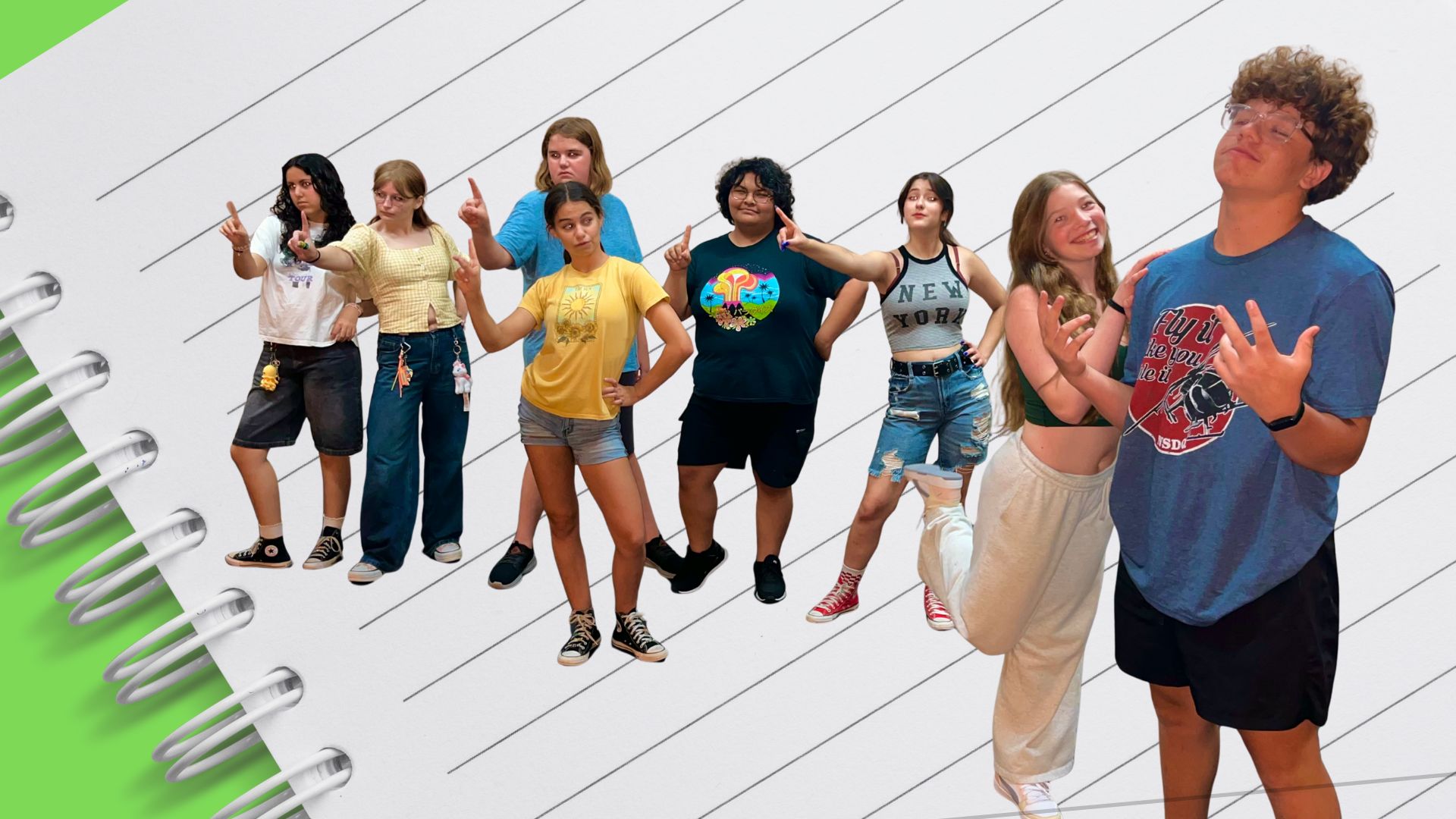
The cast of the Pozez Jewish Community Center Community Theatre program’s  (JCCCT) debut musical is made up almost entirely of teens who aren’t Jewish — which is part of what makes it such a powerful experience.

The production brings together young people from across Northern Virginia to explore identity, community, and culture through the shared experience of theater. Its debut show is “13,” a high-energy, heartfelt musical about a Jewish boy navigating adolescence, friendship, and identity after a cross-country move.

Launched by Eila Nash, the J’s School-Age Services Inclusion and Belonging Coordinator, JCCCT was created to provide a space for teens to positively express their creativity through performances that highlight and demonstrate Jewish themes and values.

“I wanted to create something that was integrated in the community,” Eila said. “Something low-pressure, joyful, and open to high schoolers, regardless of their background.”

What makes this program truly special is how it invites non-Jewish teens into a Jewish space, not just physically, but culturally.

“I always wanted to do ‘13,’” Eila explained. “It’s a Jewish story, written by a Jewish composer, Jason Robert Brown, and I thought, ‘What better way to launch a Jewish theatre program than with a show that celebrates Jewish identity in a way that’s accessible and universal?’”

The plot of “13” follows Evan Goldman, a New York teen preparing for his bar mitzvah who suddenly finds himself in a small Indiana town where no one quite understands what that means. For many of the JCCCT cast members, the character’s journey mirrors their own: learning to understand a culture and community that’s new to them.

That includes 15-year-old Griffin Wagner, who plays both Brett, a jock who goes from being the most popular kid in school to learning some hard lessons about relationships and respect, as well as Rabbi Shapiro, Evan’s main confidant.

“I’ve done a lot of shows,” Griffin said. “But this one has been really different. I didn’t know much about Jewish traditions before this, and playing a rabbi meant learning some Hebrew prayers, which was cool.”

For Griffin, who started acting in middle school, the chance to perform in “13” is about more than stage time. It’s about understanding, empathy, and allyship.

“I’m an ally to the Jewish people,” he said. “Everyone at the J has been really kind and welcoming. At the end of the day, people are just people, and we should all let each other live and be happy.”

He also connected deeply with the show’s message.

“It’s really about staying true to yourself and not letting popularity or other people’s opinions mess with your relationships or values,” he explained. “That’s something I think everyone can relate to.”

For Director Jackie House, a theatre major at George Mason University and a returning counselor at Pozez JCC’s Camp Achva, the show has opened up powerful conversations with the cast.

“Most of us aren’t Jewish, but we’re learning how to honor the culture and the values the show presents, things like family, tradition, and forging your own identity,” Jackie said. “There’s a beautiful lyric that goes, ‘I say I won’t cry, I cry until dawn, and then I move forward.’ It feels like the perfect message right now.”

Eila, who is not Jewish herself but has worked closely with the community for several years, hopes this program can be part of a broader shift as our world grapples with antisemitism and polarization around Jewish identity.

“There’s so much more to Judaism than headlines,” she said. “These kids are seeing that firsthand. They’re learning what a bar mitzvah is, what Hebrew sounds like, what Jewish celebration and coming-of-age look like. And they’re forming really positive associations with a community they may have never encountered otherwise.”

The effort also reflects Eila’s broader work in inclusion and belonging at the J. From neurodivergent campers to LGBTQ+ youth, she’s passionate about creating spaces where everyone feels welcome.

“Theatre is a natural extension of that,” she said. “It’s expressive, it’s collaborative, and it’s where a lot of queer and questioning teens already find themselves.”

It’s also where lifelong memories are made.

“I did theatre all through high school,” Eila added. “Those summer productions were some of the most meaningful experiences of my life. I just wanted to give that to someone else.”

From her dream to the stage, “13” has grown into something more than a musical. It’s a testament to what can happen when a community center truly becomes a community space for everyone.

Buy your tickets for “13,” which will run from Aug. 7-9.