Join the J in June to receive $109 off enrollment fee! Learn More.

A Year of New Connections: Looking Ahead with Jeff Dannick

The new year is coming — the fiscal new year that is.

This marks a significant moment at the J, a designated time to think big, reset our strategy, and ensure we continue to do all we can to build Jewish community in NoVa.

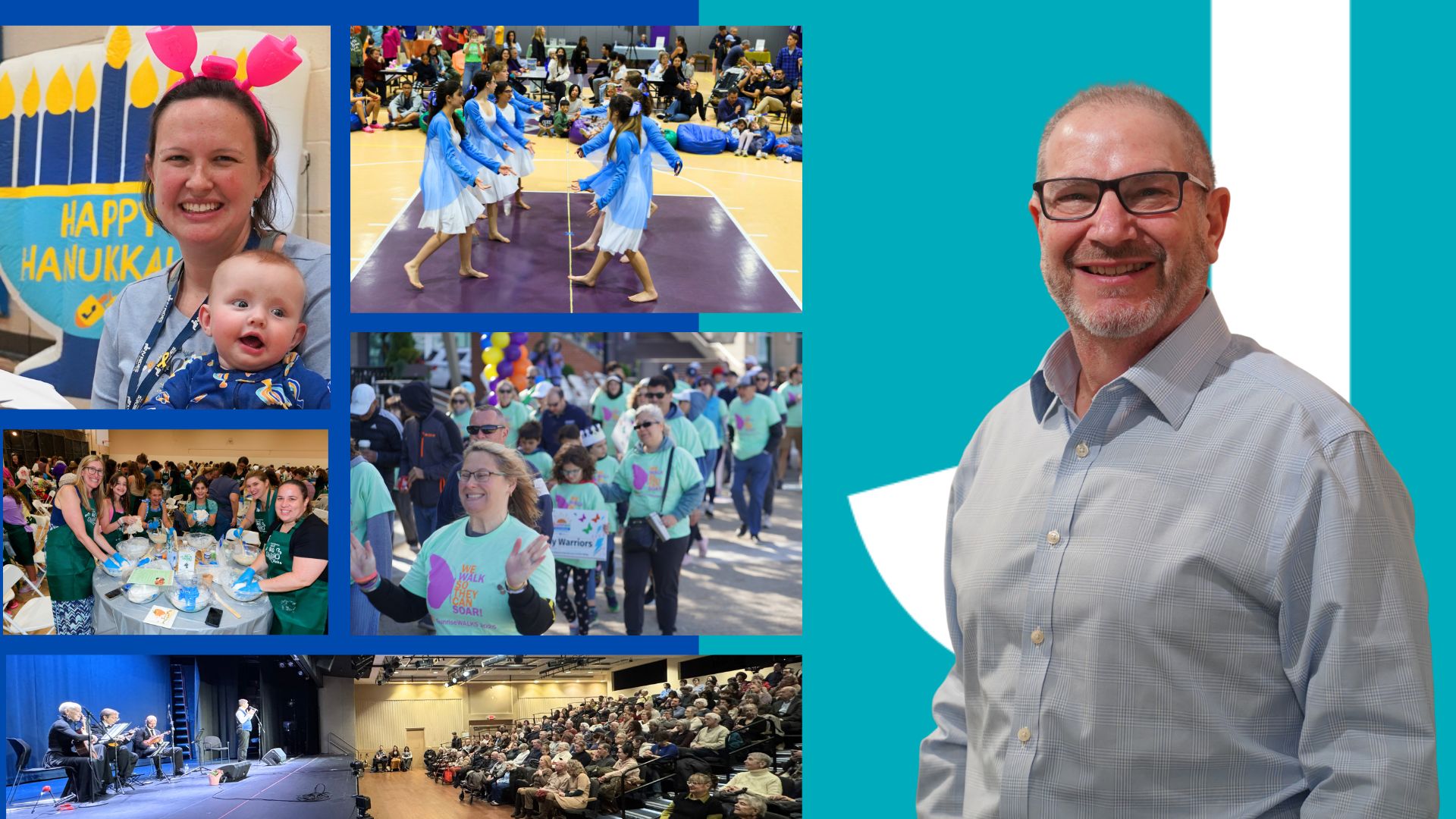
To prepare for a new year of meaningful programs, community partnerships, and innovative, out-of-the-box initiatives, we spoke with Jeff Dannick, Executive Director of the Pozez JCC (the J). Below are highlights from our conversation about his priorities and vision for the J as a convener of Jewish life in Northern Virginia.

Q: The J’s fiscal year starts this summer. What are your primary goals for 2026-2027?

A: The first piece is expanding our reach into the broader Jewish community across Northern Virginia. That means working closely with partner organizations, synagogues, Federation, Gesher JDS, and others to be the connective tissue of Jewish communal life. We want to meet people wherever they are and help them find meaningful ways to engage. That includes creating ways to help them become connected to other community members, or create or join a microcommunity. That could also include connecting them to a Jewish institution. We need to provide all kinds of support.

The second piece is what we do inside of our building, that is how we deliver our existing programming, what we do to grow our membership, the effort we make to meet the changing needs of our community, and how we lean into the tension and discomfort of our times with thoughtfulness and respect.

Q: You mentioned leaning into tension and discomfort. What does that look like at the J?

A: We are creating a big tent, where people with differing backgrounds and views feel comfortable expressing themselves in a safe, respectful environment. We want to help people learn how to have difficult conversations. How to argue without being argumentative. How to disagree without being disagreeable. 

For example, how do we support Israel in ways that align with our values? Those tensions, I think, are more critical than ever in our Jewish community. And if we’re going to come through this period of increased antisemitism and conflicts around the world, we have to figure out how to be together in community and recognize what holds us together rather than what divides us.

Q: What new initiatives or partnerships are in development?

A: One particularly exciting initiative has been three to four years in the making. We’re preparing to launch JLive, a new digital platform in partnership with The Jewish Federation of Greater Washington. Jewish organizations across the region will be able to post events, programs, and opportunities. Users will be able to search based on their specific interests, life stage, and geography, making it easy for them to discover what’s happening throughout their Jewish community.

Our hope is that this platform will become a centralized hub that connects individuals with opportunities while also giving organizations valuable insights into what the community is looking for. More to come!

Q: Social impact seems to be a growing focus for the J. Why is that important?

A: We believe many people express their Judaism through the ways they live their lives and the impact they have on others. For some, living Jewish values means participating in synagogue life or observing rituals. For others, it means tikkun olam, repairing the world through service, advocacy, and acts of kindness. We want the J to be a place that supports both and helps more people engage with Jewish life through social impact opportunities rooted in Jewish values.

Q: How will the J continue to engage younger generations and those who may feel less connected to Jewish communal life?

A: Younger generations are often looking for opportunities to make a difference in our world, so we’re exploring more ways to connect Jewish engagement with social impact, volunteerism, and microcommunity building.

At the same time, we recognize the needs of families raising young children differ from those of single adults or couples without children. So we’re trying to do a lot of listening this year to understand what it is they’re looking for and figure out how we can deliver it.

Q: You’ve mentioned efforts to create microcommunities. What are you envisioning?

A: Microcommunities can cut across generations and bring people together. One microcommunity we’re exploring is for parents. While there are many strong programs focused on engaging children and young families, we’re hearing that parents themselves need more support, whether around stress and anxiety, developmental or mental health challenges, or navigating the realities of parenting at different stages.

We’re envisioning a parenting center without walls, a collaborative, community-based support network developed in partnership with other organizations throughout Northern Virginia.

Q: What challenges do you anticipate in the coming year?

A: Like many organizations, we continue to navigate financial challenges stemming from COVID-era disruption, broader economic pressures, and changing patterns in how families live and engage in Jewish life. At the same time, global instability, from conflict in the Middle East and Ukraine to rising antisemitism, continues to affect our community in profound ways. We have to remain agile, thoughtful, and responsive while also strengthening our financial foundation through membership growth, fundraising, and program revenue.

Q: The J has long welcomed not only Jewish residents but people of all backgrounds living in NoVa. Why is inclusivity such a central part of the mission?

A: The J is a welcoming space for all. Being open to people of all faiths or no faith is foundational to the JCC movement and has always been part of who we are.

Just to point out a few examples: There is NV Rides, which connects volunteer drivers with older adults in need of transportation. To make this happen, we team with 14 partner organizations, many of which are faith-based and diverse. Another is Sunrise Day Camp, which is a free summer camp for children with cancer as well as their siblings. You don’t have to be Jewish. You don’t even have to live in Northern Virginia. The camp serves the entire DMV.

People need to know they have a community. And in fact, if we go back to our conversation about antisemitism, I personally believe the Jewish community cannot solve antisemitism. What we can do as a Jewish community is demonstrate to people of all backgrounds and faiths that we are a warm, welcoming people who care not only about the Jewish community, but the entire community. And that we want to live in partnership and in collaboration and in mutual support with all of our neighbors and friends. That’s core to what the Jewish community is about, and it’s absolutely central to the J.

Q: What do you most want the community to understand about the J?

A: We want people to think beyond the building. When many hear JCC, they think of a physical place. But increasingly, we see ourselves not just as a Jewish Community Center, but as a Jewish Community Connector.

The Northern Virginia Jewish community is so large and so spread out that having just one brick-and-mortar location is never going to be convenient for our entire community. We want to and need to connect Jewish life across the region through partnerships, programs, digital tools, microcommunities, and relationships.

We envision a Jewish community of Northern Virginia that even if it doesn’t have a geographic gravitational center, has a real sense of a collective Jewish community, where we support one another and where we embrace one another. And we’re on a path to achieving that. It’s a long road, for sure, but there’s a lot of opportunity for more engagement.

Q: What message would you like to leave people with?

A: In spite of all the challenges facing the world today, I want people to find joy in living their Jewish lives. We want to hear what people are looking for, what support they need, and how they want to engage. We are not prescriptive. Our programs often come from a kernel that we hear from somebody in the community, and then we try to respond. Many of our best ideas begin with listening.

Also, I want people to keep in mind that the J is a welcoming space. J programs, whether in the building or out in the community, are very safe places for people of varying faiths and families of multiple faiths to engage with Jewish community, with other Jews, and with other people in similar life stages.

And if there are more ways that we can help support our community, we are all ears.


The J is a vibrant space, welcome to all who walk through our doors. The J is also a community that reaches beyond walls and across miles. You can support our momentum and our mission, in our building and out in our community, by making a gift.

A Jewish Lens on Conflict Transformation

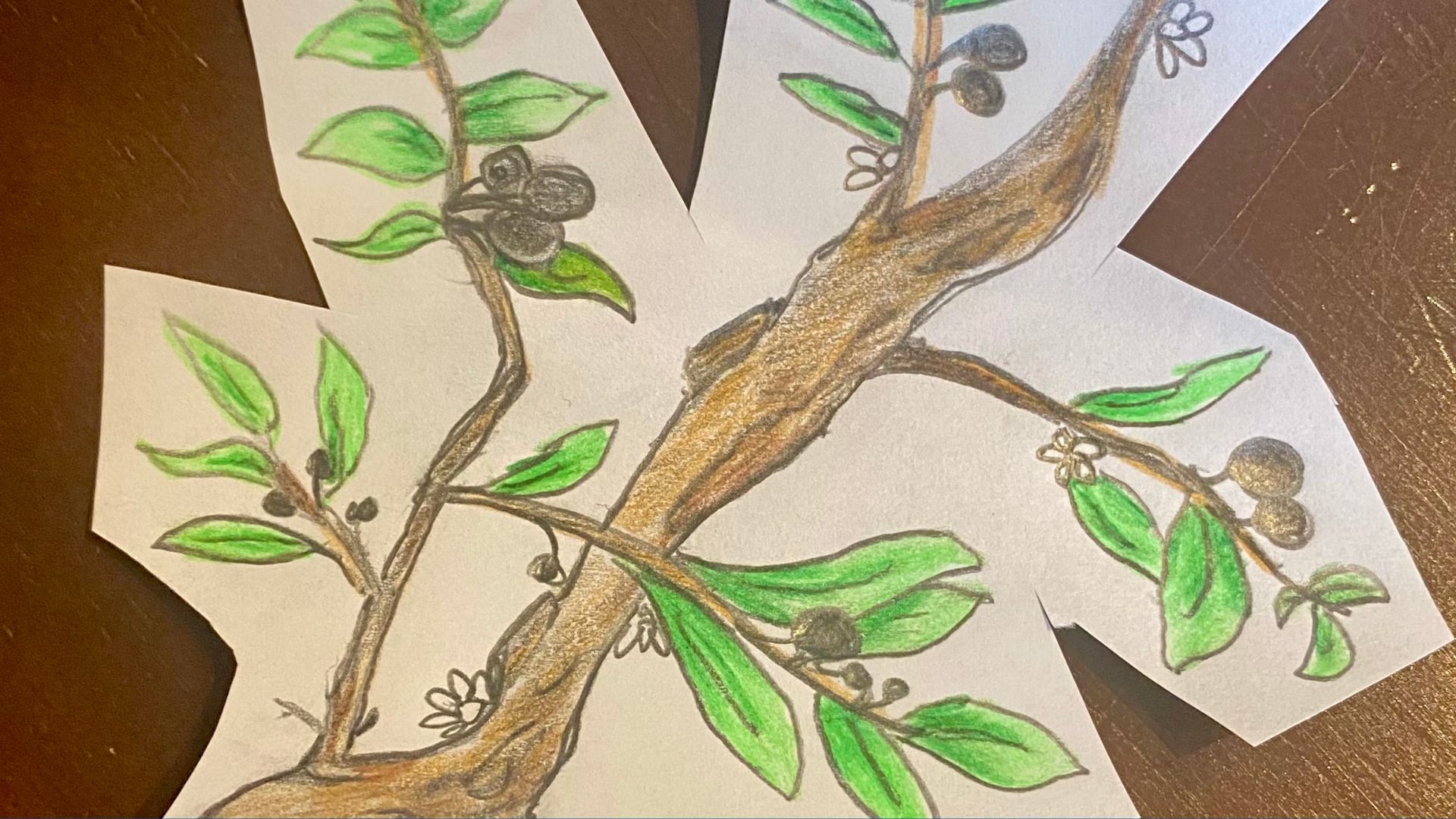
This Passover I added an olive branch to my seder plate.  After doing a bit of research on how to acknowledge the conflicts around the world, I landed on the olive branch as a sign of peace.  In doing so, I realized I might also create a space for dialogue at the Seder table where not every family member agrees on how to achieve peace.  My father encouraged me, reminding me, reminding me to allow everyone to be heard, to build community by acknowledging that differing opinions are both expected and honored. 

This notion was echoed in the Pardes Institute’s Mahloket Matters Fellowship I participated in this fall. A mahloket is a disagreement. The fellowship posited that Jewish teachings promote constructive disagreement, creating space for deeper meaning, relationship building, and better solutions — essentially transforming conflict into a method to build bridges and community. 

What’s Jewish about constructive disagreement?  You may have your own answers for this drawing from your recent Passover Seder or family squabble! Diving into rabbinical texts in the fellowship, we explored the notion that not even Moses was blessed with knowing everything. This humbles each of us to accept that truth for ourselves as well.  We also learned that the Sanhedrin (Jewish supreme religious court) encouraged disagreement (not uniformity) to find better solutions. 

According to Pardes’ Mahloket Matters Fellowship, the four pillars of a constructive disagreement are: 

  1. Debate the issues without attacking people and harming relationships. 
  1. Check your motivation.  Are you trying to win or to understand and solve problems? 
  1. Listen to the other side and be open to admitting that you might be wrong. 
  1. Consider that you might both be right despite holding opposite positions. 

In the spirit of constructive disagreement, I used the olive branch on my seder plate to open a conversation where the diverse perspectives at my table could be respected.   

This spirit is what led me to the Pozez JCC, where we build community every day by listening to everyone and making space for disagreement.  The six J-Family Ambassadors I support are opening conversations with young Jewish families looking to connect and build community throughout Northern Virginia.  They are creating events based on their community’s expressed desires and meeting people where they are to support growing families and their Jewish identity. 

The Pozez JCC has supported the J-Family Ambassador Program from its inception here in Northern Virginia and promotes an environment of learning and dialogue. Pozez leadership also encouraged my participation in Mahloket Matters, recently hosted a workshop from For the Sake of Argument (a program that also builds skills for constructive disagreement), and continues to support diverse and thoughtful programming with a welcoming communal atmosphere.  We always welcome suggestions, so if you have a program you want to see, please let us know! 

You can join us in the spirit of building a rich, diverse community in any of the following ways: 

  • Come to the Pozez JCC and see what the buzz is about!  You’ll always find a friendly face and an engaging activity, ranging from special events to fitness to Mah Jongg in the lobby.  

1,000 Days of Loving-Kindness and Repairing the World 

In one month, I will mark 1,000 days since joining the Pozez JCC team. A recent memoir writing workshop (the next is April 20th) taught me a technique to reflect on a long-term connection to a space by gathering impressions of people and interactions into a single, representative day.  

While the following day is fictional, the characters are real. If you recognize one of the volunteers mentioned below, please send them this blog and thank them for their dedication to Jewish community and values.  

Morning Impressions 

It’s a chilly February morning. In the parking lot, I spot Lisa exiting the building. By the time I’ve arrived, she has already finished a Cardio Sculpt class, discussed promoting the Interfaith Comedy Show, and shared insights on the Parasha Posters in the gallery. I want to have Lisa’s energy when I grow up. 

After unloading soccer gates and beeswax sheets from my car—standard gear for a Jewish professional preparing for Taste of Israel and Women’s Wisdom — I run into Karen. Her enthusiasm is infectious as she shares ideas for the Women’s Social Impact group and her excitement for the upcoming Adult Engagement trip. 

Inside, I wave to another Lisa at the front desk and Jordi at security. In the lobby, I find Paula and Joshua, our special interest group enthusiasts, sharing a laugh over coffee. Paula, a lead volunteer of the book club, proudly shows off the coming year’s book list, while Joshua recounts a spirited debate from the News in Review Round Table. 

The Midday Hustle 

Finally at my desk, I find registrations for the Jewish Fantasy concert is rocking, and my inbox is full of gratitude for the recent Klezmer performanceMike, one of our stellar NVRides volunteers, sent me an email about the show. Mike seems to have more than 24 hours in a day; between pickleball clinics, driving seniors to appointments, and sitting on multiple committees, he even found time to drop off toy cars for the kids at our NVRides recruitment table (with logos handmade on each car!). 

By afternoon, I’m in the multifunctional mailroom warming up lunch in the microwave. I chat with Tracy, a J-Fit trainer and dedicated NVRides driver. She reflects on how she started volunteering six years ago to help others get to medical appointments. She never expected the profound joy and connection the riders would bring to her own life. 

Planning for Impact 

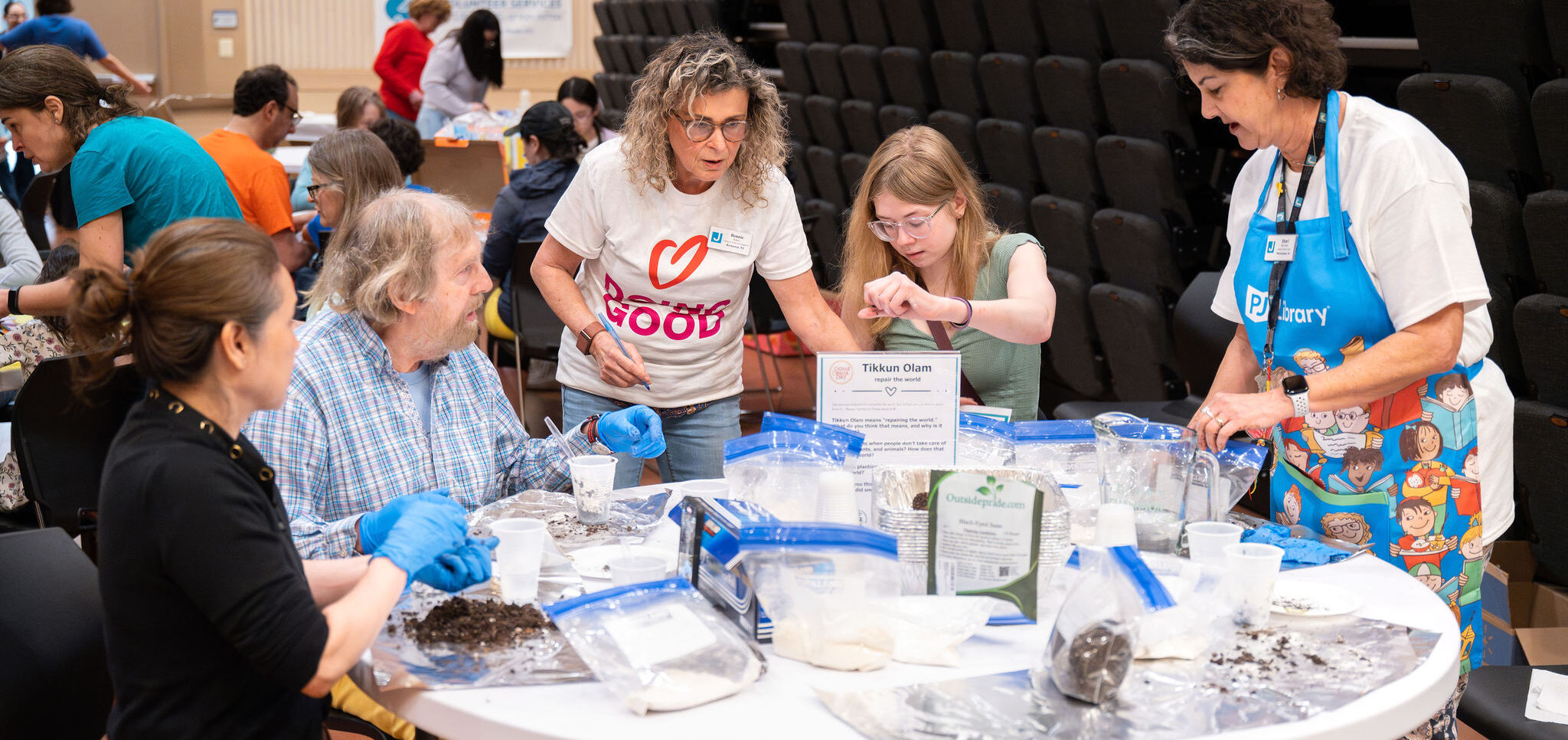
Later, I meet with Amy (Director of Partnerships and Family Engagement) to plan Good Deeds Day on April 12th. We’re organizing hands-on projects for all ages: 

  • For neighbors: Wrapping silverware for shelters or making flowers for seniors. 
  • For kids: Assembling snack packs for local students. 
  • For community: Sorting kosher food for Yad Yehuda. 
  • For pets: Crafting recycled toys for local animals. 

During the meeting, Megan, a volunteer who jumped right into the DMV community upon moving here, texts to say she’s coming to Good Deeds Day. Amy and I wrap up by discussing the community garden; our volunteer Michelle is already asking for the schedule. Whether it’s planting veggies, baking challah, or joining family programs, Michelle always shows up. 

Closing the Day 

As I head out, I greet Abby and her husband. She’s off to improv class while he heads to a board meeting. Beyond her great humor, for years, Abby has been our champion breakfast cook for Hypothermia Prevention. 

Driving home, I feel incredibly lucky. I spend my day doing amazing, meaningful things, surrounded by caring, thoughtful, and fun people — and I also have a salary!  Our community is a living example of gmilut hasadim (acts of loving-kindness) and tikkun olam (repairing the world). Our volunteers come for the impact, but they stay for the community. 

Join us — become a volunteer at the Pozez JCC. 

How saying ‘yes’ makes a difference to Sunrise families facing pediatric cancer 

Last weekend, the Pozez JCC and Sunrise Day Camp – Greater Washington answered with a resounding “yes!” to our campers’ most-asked question: “Can we have more camp?” 

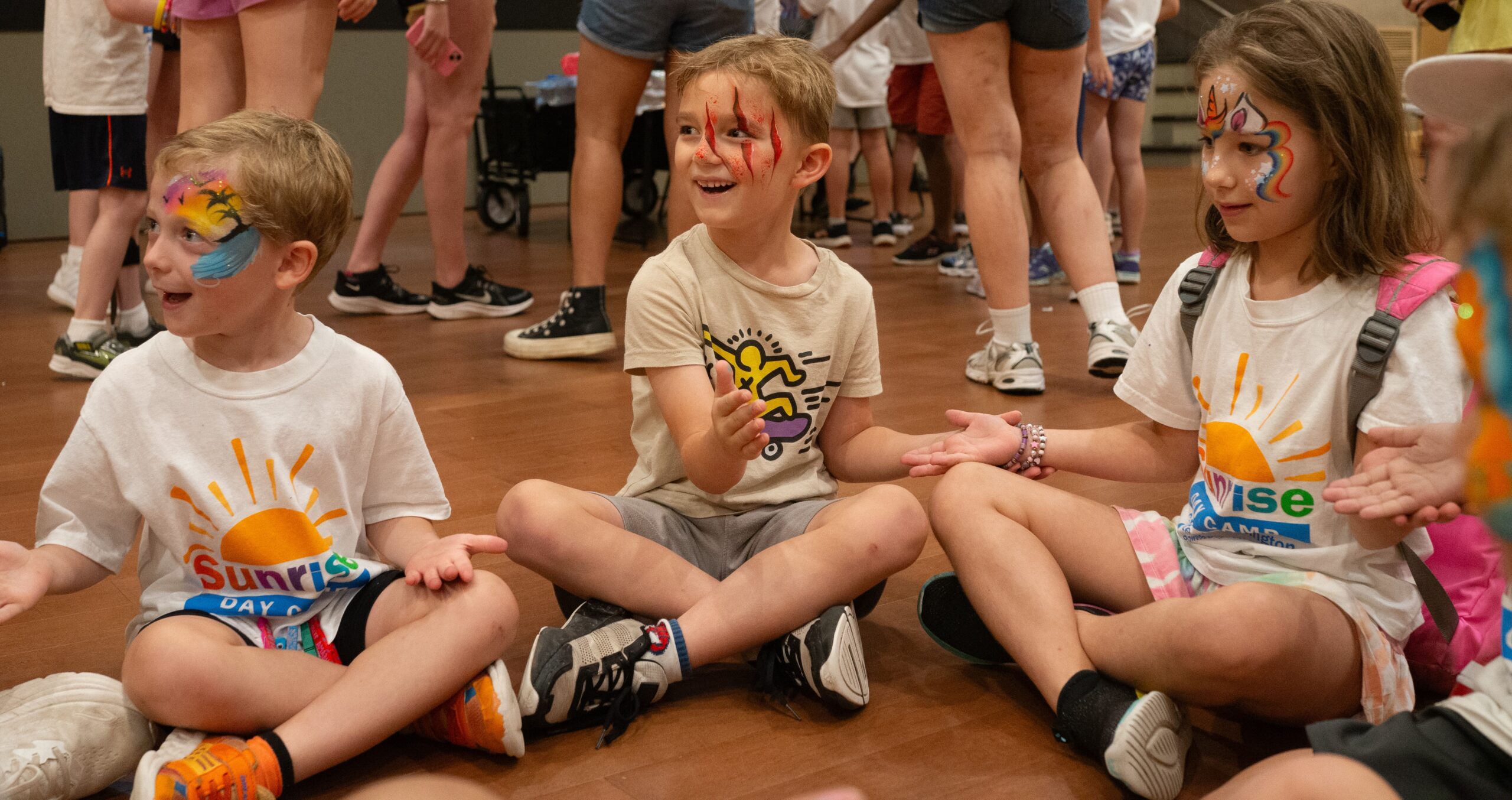
The Camp YES Day event, one of Sunrise’s monthly Family Fun Day activities, brought back that magic summer feeling with a chance to revisit everyone’s favorite camp activities outside of the camp season. 

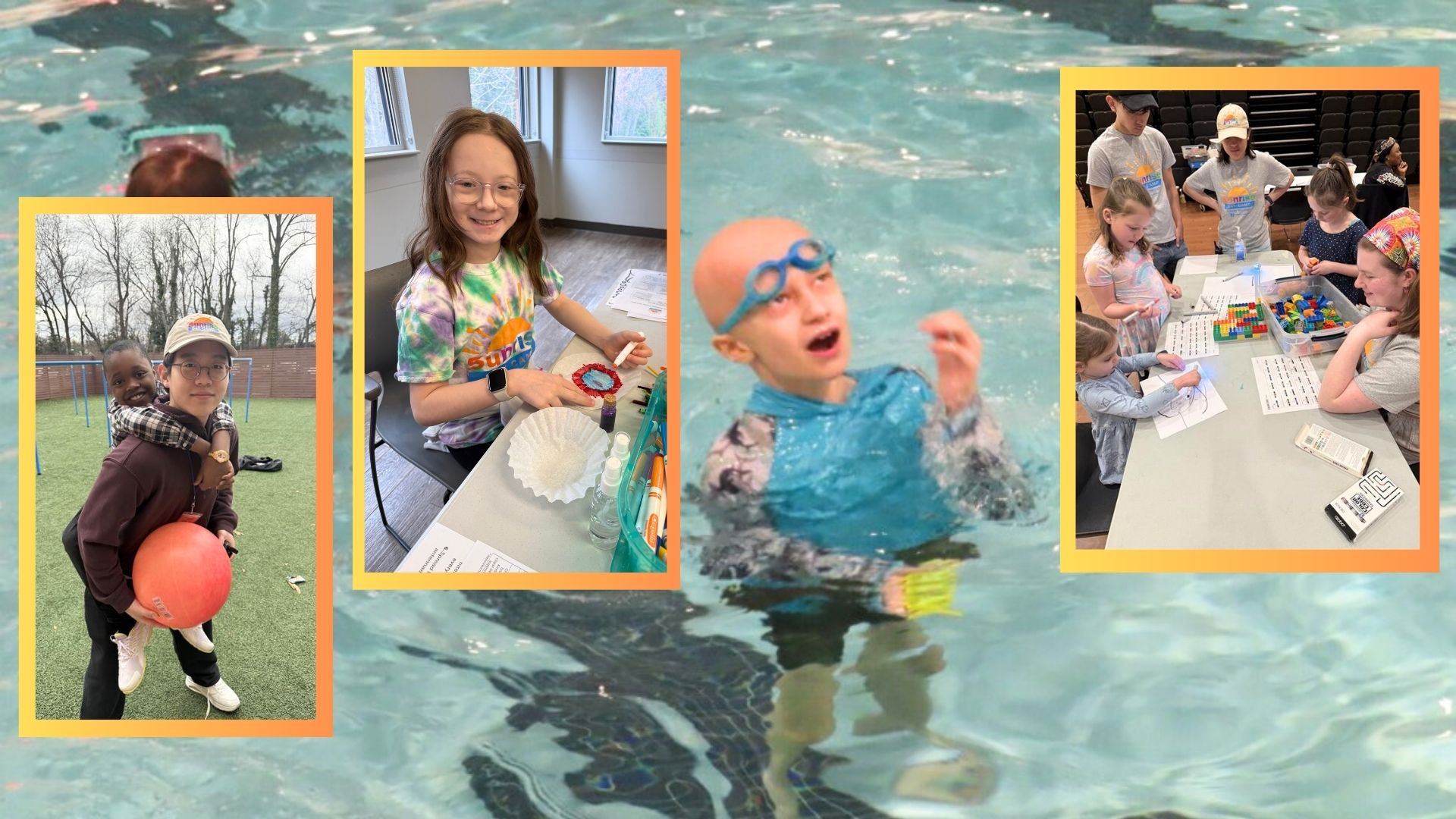
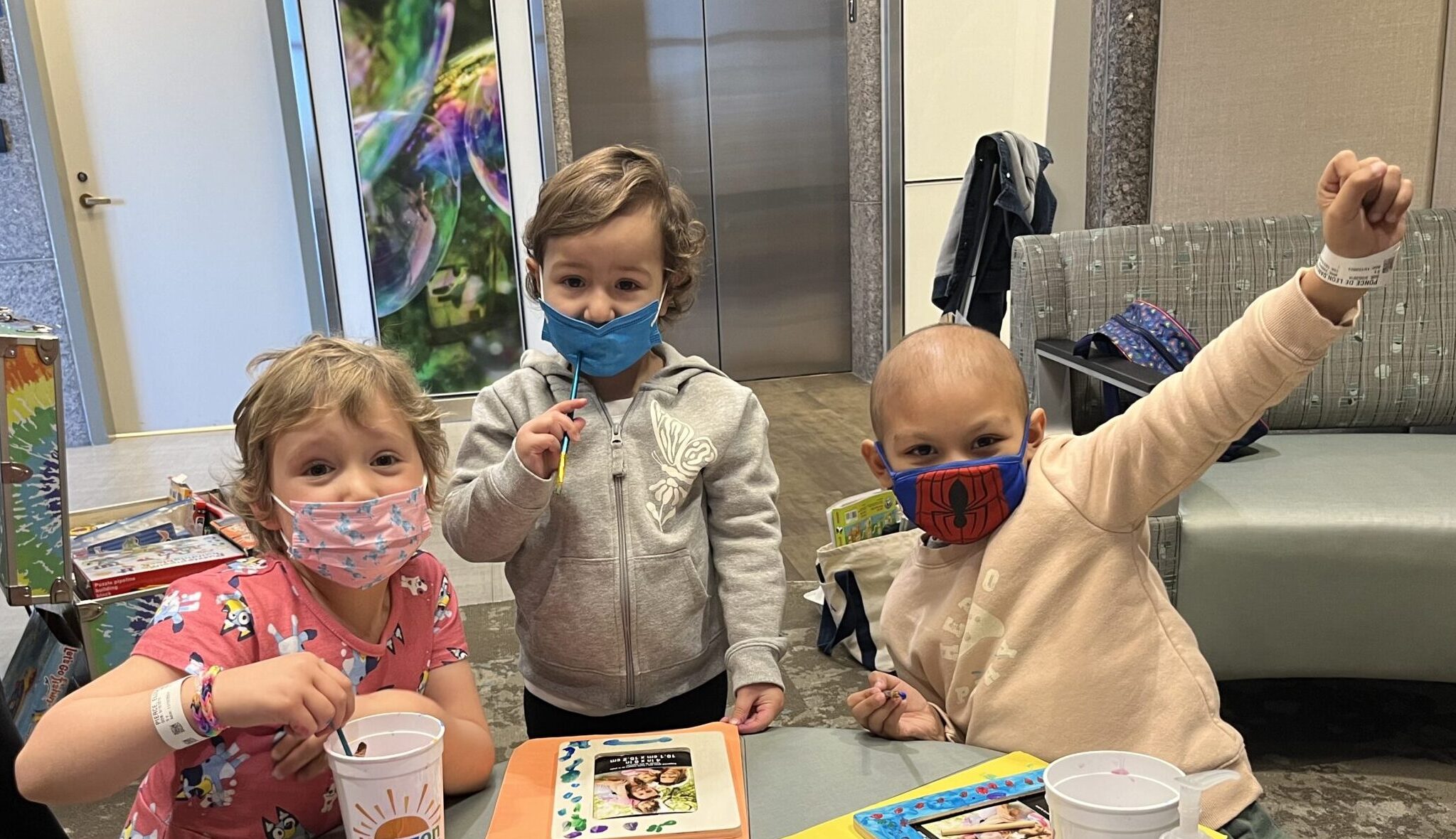
The day was all about letting campers do the things they love most. They got to swim, participate in STEAM activities and arts and crafts, take center stage at drama class, and reunite with their camp friends. Our campers are a mix of kids facing cancer, survivors, and their siblings, but at Sunrise Day Camp, they’re all just kids having fun. 

Camp YES Day was a slice of camp with one important twist. Parents were welcome to attend and join the activities with their families. This Family Fun Day was our most attended yet, with 65 participants representing 16 families and 17 dedicated staff members coming together for a day filled with laughter, connection, and unforgettable camp fun. 

When they weren’t busy enjoying special activities with their kids, parents shared the impact the various Sunrise programs have had on their families. These conversations reminded us that the impact of Sunrise extends beyond the campers themselves — it touches entire families. 

One family shared how the COVID pandemic felt doubly isolating when one of their sons was diagnosed with cancer and long hospital stays separated the two boys during treatments. During those difficult days, Sunrise on Wheels — Sunrise’s in-hospital program — gave the family something to look forward to, as the team brought toys, games, and fun directly to the hospital. That summer, Sunrise Day Camp brought the boys back together, while also bringing joy and normalcy back into their lives. 

When asked to describe Sunrise in just one word, parents responded with “blessing,” “connection,” “belonging,” “community,” “hope,” “home,” and “joy.” Each word reflected a different experience, but together they painted a powerful picture of what Sunrise means to the families we serve.  

What we heard from families on Camp YES Day is that Sunrise is more than a camp. It’s a source of hope during one of the most difficult periods of their lives. Sunrise Day Camp continues to be a place where entire families feel connected — to other families who understand the realities of having a child with cancer, to caring staff, and to a community that surrounds them with encouragement and support. 

Events like Camp YES Day also serve as an important reminder that programs like Sunrise exist because of the generosity of our community. All Sunrise programs, including our six-week summer day camp, Family Fun Days, and Sunrise on Wheels hospital programming, are offered completely free of charge. We can’t create that magic alone. 

As we look ahead to our fifth summer, Sunrise Day Camp – Greater Washington invites the larger community to come together to support our programs. Because when we say “yes” to children with cancer and their siblings, incredible things happen: joy returns, friendships grow, and families find a place where they truly belong.  

Say “yes” today and support Sunrise Day Camp. DONATE NOW 

ECLC in DC: Early Childhood Advocacy in Action on Capitol Hill

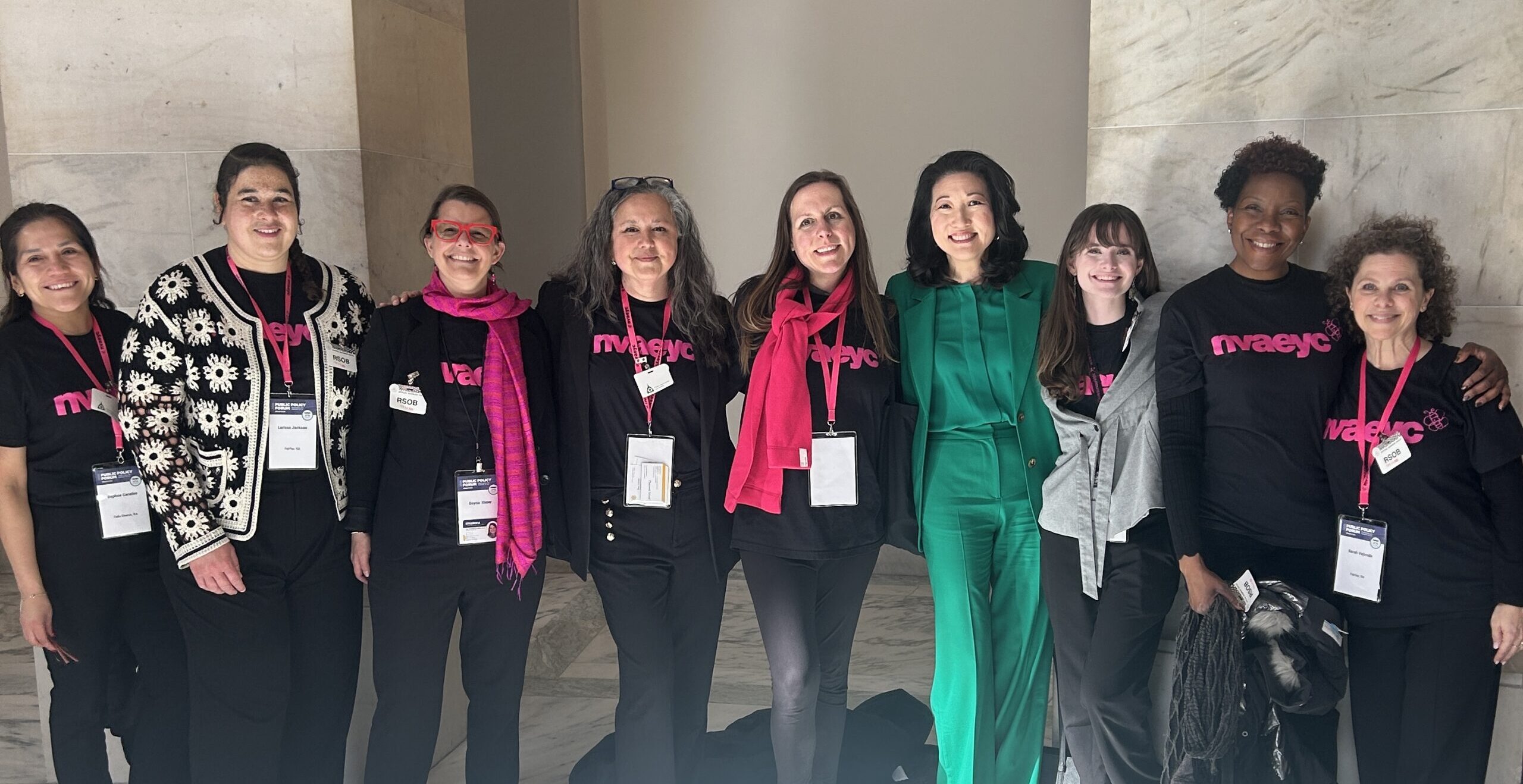
Advocacy is about turning passion into purpose and purpose into action. Last month, members of the Pozez JCC’s Early Childhood Learning Center (ECLC) had the meaningful opportunity to bring the voices of early childhood educators from Northern Virginia directly to policymakers in Washington, D.C. 

In addition to our roles at the ECLC, Sarah and I serve as advocacy co-chairs for the Northern Virginia Association for the Education of Young Children (NVAEYC). As part of this advocacy committee, we organize and facilitate a six-week Advocacy Leadership Training Program (ALTP) for early childhood educators. 

At this year’s training, we explored the foundations of early childhood education policy at the local, state, and federal levels and discussed how legislation impacts the affordability, quality, sustainability, and reach of educational programs. Together, we unpacked complex policy issues and practiced crafting advocacy messages. Early childhood professionals carry firsthand knowledge of how government policies affect children, families, and educators, and we practiced how to translate our experiences into compelling stories that resonate with decision-makers. 

The culmination of the ALTP is attending the National Association for the Education of Young Children’s Public Policy Forum. Our cohort joined more than 400 early childhood professionals from across the country to gather on Capitol Hill in late February to advocate on behalf of early childhood education. Walking the halls of the Capitol alongside educators, center directors, advocates, and allies from nearly every state was energizing as we united in a shared sense of purpose. 

We stepped into meetings with policymakers and congressional staff to advocate for meaningful investment and support. Our cohort members spoke candidly about the realities facing today’s early childhood education workforce: rising operational and tuition costs, persistent staffing shortages, compensation challenges, and cuts to programs that families, children, and early childhood educators rely on. We also shared positive personal stories about children who thrived with the right support, families who successfully balanced work and caregiving, and educators who remained committed despite significant challenges. 

For many participants, this was their first time engaging directly with elected officials or their staff. After the training they received, they were able to hold confident, informed conversations on Capitol Hill. Watching early childhood professionals recognize their own power as changemakers was inspiring.  

 The experience was deeply personal for us as facilitators as well. Supporting this cohort reminded us that advocacy is not separate from our professional roles; it is an extension of our responsibility to children and families. When we advocate, we honor the relationships we build every day in our programs and ensure that decision-makers understand what is truly at stake. 

At the Pozez JCC, we know that early childhood education is a cornerstone of strong communities. Our commitment to high-quality, relationship-based early learning extends beyond our classrooms and into the broader systems that shape opportunities for young children. Advocacy is one way we embody our values. 

 We returned from the Public Policy Forum feeling connected, motivated, and hopeful. We are proud to represent our ECLC community, proud of our ALTP cohort, and proud to stand with hundreds of early childhood advocates nationwide who believe that investing in young children is investing in our collective future. 

Written by: Sarah Vejvoda, ECLC Atelierista and Hillary Gile, ECLC Pedagogista 

Warm Hearts, Cold Nights: Supporting NoVa Hypothermia Prevention

How do a dozen or more women with hundreds of plastic grocery bags make an impact on Fairfax County’s unhoused community? It happens when the Pozez JCC’s Women’s Social Impact Group (WSIG) joins forces with FACETS, a nonprofit that supports Northern Virginians facing poverty and homelessness, for Hypothermia Prevention Week. 

The WSIG is an amazing group of women of all ages and stages who want to make the world a better place. The group has tackled important issues such as hunger, homelessness, voting rights, and environmental change. Since the group’s inception in 2020, dedicated women have donated non-perishable food items, toiletries, women’s clothing, books, puzzles, and scarves to worthy organizations; worked at the Food for Others food pantry; helped build a community garden; and raised funds for Sunrise Day Camp. 

Most impressive among these activities is the work the WSIG (and the larger JCC volunteer network) does to support FACETS’ Hypothermia Prevention Week at Bethlehem Lutheran Church each year. During this week, community members can come to the church for meals, entertainment, services, and a warm place to sleep during one of the colder weeks of the year.  

This year’s Hypothermia Prevention Week took place January 11-18. The Pozez JCC and the WSIG partnered with Bethlehem Lutheran Church, Lord of Life Lutheran Church, Living Savior Lutheran Church, Kids Give Back, and Congregation Olam Tikvah to successfully feed and house 50 guests and FACETS staff during a very chilly week. A significant donation by the Jay Meyerson Book Club also supported our efforts. 

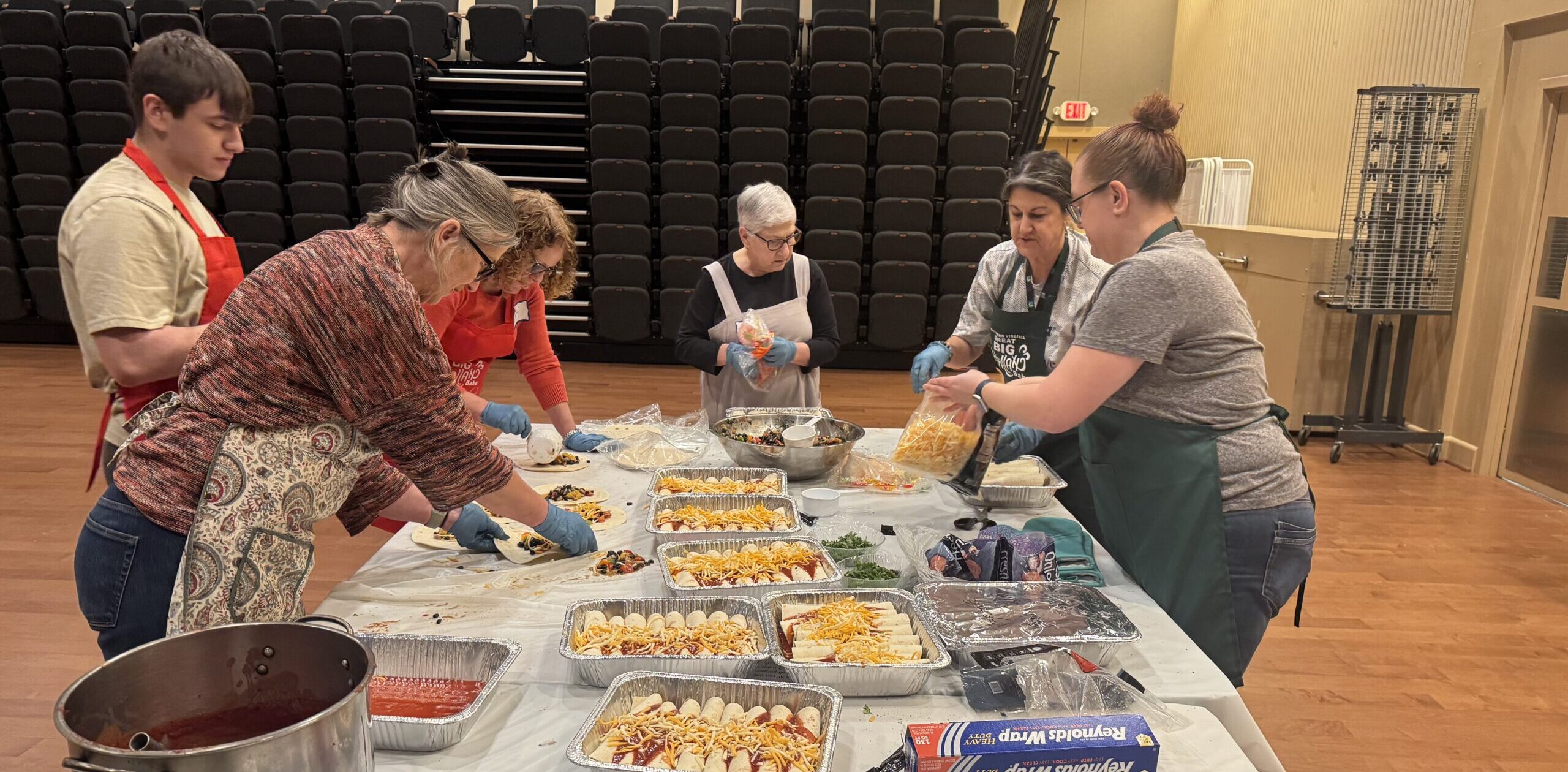
The JCC was responsible for two full days of meals, serving, and entertainment. For the first time, the J organized two “Gather and Give Communal Cooking Events” to prepare lunch sandwiches and a complete dinner meal. Both mornings, volunteers came to the church to serve a hot breakfast of pancakes and sent guests out for the day with a brown bag lunch. Additional volunteers provided delicious desserts and served dinner each evening to grateful guests. 

Guests were entertained by a bingo game called by Olam Tikvah volunteers and a concert by Makheylah, the JCC Community Choir. A local hairdresser provided haircuts to the visitors. 

“The team of volunteers are dedicated and enthusiastic and work hard to ensure that the guests are well taken care of and…that the logistics go smoothly,” one volunteer told me.  “The guests enjoyed bingo with some assisting others for whom English was not their first language. I thoroughly enjoy helping with this project and intend to continue in the foreseeable future.” 

More than 90 volunteers spent 563 hours making Hypothermia Prevention Week possible. The cost to rent the hall and provide food, gift cards, and supplies totaled close to $15,000. It truly takes a village to have a successful Hypothermia Prevention Week. 

So where do the grocery bags come in? One of the WSIG’s ongoing projects is making “plarn” (plastic yarn) bedrolls for members of the unhoused community. Each 6-foot bedroll (ie, a sleeping mat) is made from 700 grocery store bags. It is a perfect example of bettering the environment by repurposing these bags into lightweight cushions for people living outdoors. A volunteer delivers these crocheted mats to members of the unhoused community, one at a time, as they are completed.   

What a great village we are privileged to be part of, helping so many people in need. If you’d like to support the Pozez JCC’s social action efforts, you can do so in several ways. 

  • Attend the Women’s Social Impact Group’s monthly meetings and get involved with its community service projects. Turn your passion into purpose. 
  • Volunteer to make bedrolls for our unhoused neighbors – no experience needed. 

Magic You Can Measure: The Transformative Impact of Sunrise Day Camp 

When most people think about families facing pediatric cancer, words like joy, magic, or hope rarely come to mind. Yet, these are exactly the experiences children and their families discover at Sunrise Day Camp, a free camp for kids with cancer and their siblings held at Pozez JCC.  

At the end of camp this year, we asked families to reflect on their children’s experiences — and what they shared was powerful.  “Sunrise has created magical moments and experiences from raw and heartbreaking situations,” shared camp mom Lindsay D.  

Her sentiment is not only felt by families but backed by research. Between June and August of 2024, the Sunrise Association partnered with researchers from Tel Aviv University School of Public Health to conduct a comprehensive study on the impact of Sunrise Day Camps. The study rigorously measured several core areas of children’s well-being — resilience, quality of life, stress and anxiety, sibling relationships, illness management, well-being, and self-esteem — to see if camp had a positive effect. 

Not only did camp improve resilience and well-being, according to surveys taken before and after the summer, but a third survey conducted 12 weeks after camp showed sustained improvements in key areas (Sunrise Association, 2024). That means that camp continues to enrich the lives of kids with cancer and their siblings long after they say goodbye to their beloved counselors and camp friends. 

While this study did not include our local Sunrise program, our families agree that Sunrise Day Camp improves their lives – especially in three significant areas. Unsurprisingly, their words align with the study’s findings. 

Camp reduces family stress and anxiety 

For families navigating cancer, daily stress can feel overwhelming. Sunrise gives children space to play, explore, and experience normal childhood joys  — and offers parents a rare moment of relief. 

As Ariane G. shared, having her children at Sunrise Day Camp “meant a lot to me, especially during chemo weeks when I could just focus on Daniel and not worry about what my other children were doing at home. Also, during tough weeks with multiple ER visits, it’s nice that my other children are busy at camp instead of worrying about their brother.”  

Not only do parents feel the Sunrise effect, but children carrying the heaviest emotional burdens also feel their stress ease and their spirits lift in the camp environment. 

Summer fun together improves sibling relationships  

Sunrise Day Camp prioritizes creating a space where siblings can be silly, play, and enjoy each other — even when treatment realities feel heavy. Parents say that camp allows their children to bond with each other and feel like kids again. The study highlights that camp meaningfully supports sibling relationships, easing tensions and strengthening family unity. 

This return to normalcy helps siblings reconnect and build stronger bonds, even during the most challenging seasons. 

Sunrise Day Camp builds resilience in campers and their families 

Some families at Sunrise face unimaginable loss, while others are in the midst of grueling treatment. In every situation, Sunrise helps children and siblings build resilience as they navigate hardship. 

The Sunrise Association’s impact study reported that “resilience increased significantly across the board, with children leaving camp more emotionally equipped to handle adversity.” This held true for both diagnosed campers and siblings.  

Sunrise makes long-term connections with its families, who are welcomed back at Sunrise Day Camp year after year — including siblings who continue attending after the loss of a brother or sister. 

“Last year, our eldest son attended while battling brain cancer. Sunrise gave him a place to just be a kid, surrounded by understanding, compassion, and fun,” a camp mom shared. “After his passing last September, it meant the world to us to see his siblings welcomed back with the same warmth and joy he experienced. We cannot thank the camp staff enough for the kindness, energy, and heart they pour into this program. It has brought happiness to our children during both the hardest and most hopeful seasons of our lives, and we will always be grateful.” 

Your support of Sunrise supports the well-being of entire families 

The numbers don’t lie: The magical experiences families describe at Sunrise Day Camp are not only deeply felt but also have a measurable, transformative impact on the well-being of children with cancer and their families. 

Sunrise Day Camp relies on the generosity of our community to offer this amazing service and support to families impacted by pediatric cancer. We do not charge families a single dollar to attend camp. Every moment of joy, every friendship formed, every boost in confidence is made possible because of community members who care.  

Your support will help Sunrise ensure that the magic of camp continues to brighten the lives of children with cancer and their siblings year after year. It costs $6,000 to give one child a full summer of camp and year-round programs — your gift can make that possible. 

Donate now: https://give.thej.org/campaign/637140/donate  

The Road to Connection: How NV Rides steers volunteerism in NoVA Jewish community

When Mike Perel retired from his career in highway safety research, he didn’t walk away from the road. He simply changed his route. 

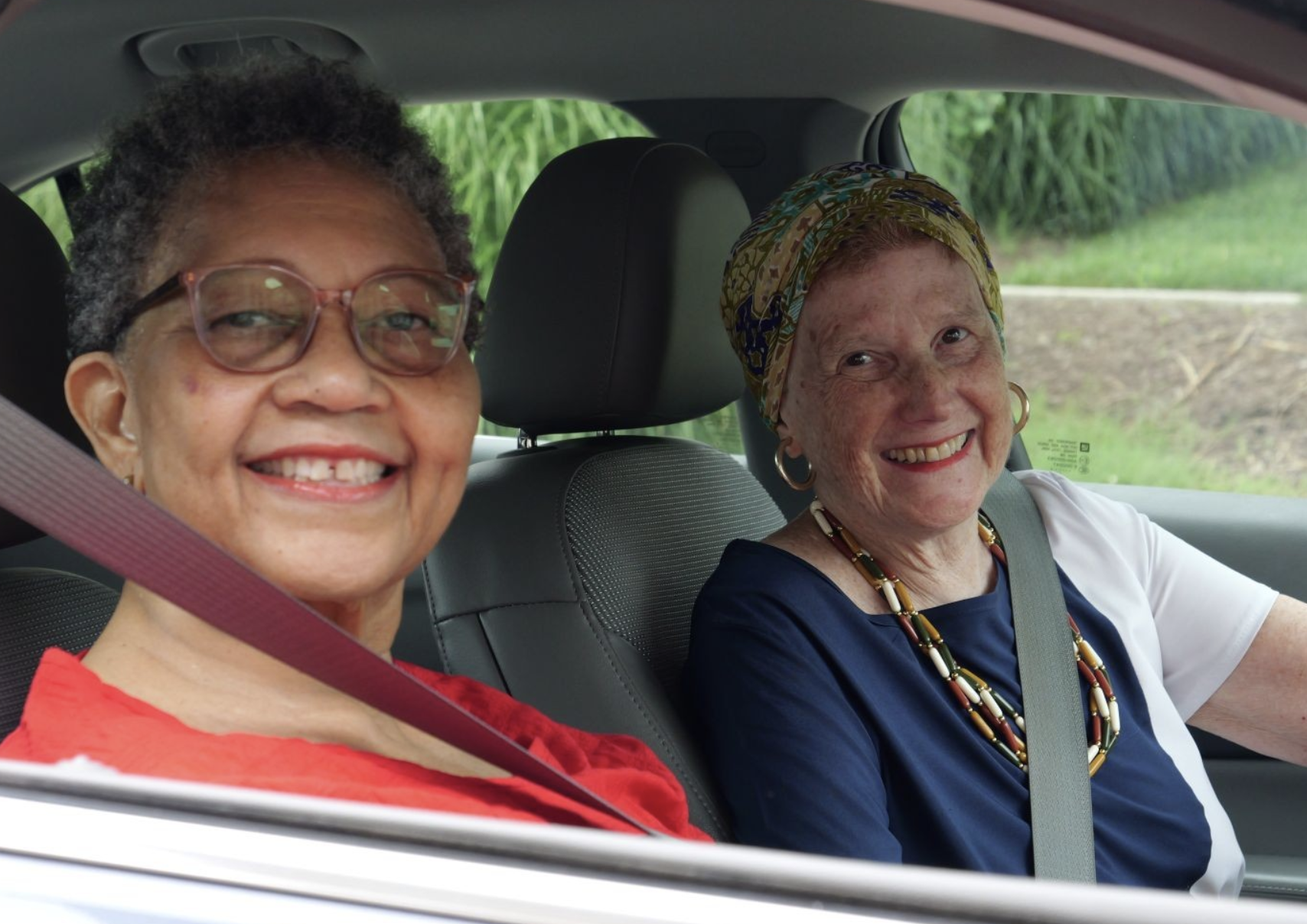
Now, instead of studying drivers, he’s behind the wheel himself as a volunteer with the J’s NV Rides program, a volunteer transportation network offering rides, connection, and dignity to older adults who can no longer drive.

As part of the J’s community impact work, NV Rides pairs older adults, mostly in their 70s-80s, with community members willing to give them a lift. Passengers are often driven to doctors’ offices, pharmacies, and grocery stores. The impact of each ride extends far beyond mileage.

“Some of the riders have really fascinating backgrounds,” Mike shares. “One that stands out is a 100-year-old World War II veteran. His story was incredible. And he was just so grateful for a simple ride. Those moments stay with you. They change you.”

The J started NV Rides in 2014, recognizing how many older adults in Northern Virginia were facing mobility challenges. Since then, our network has grown across four counties, powered by hundreds of volunteers who give their time, and their hearts, to others.

In the past fiscal year alone, our volunteers provided 22,284 services (including rides, visits, and deliveries), served 1,105 older adults, and gave 23,230 hours of their time, driving 211,369 miles — the equivalent of circling the Earth more than eight times! We even helped fund 240 taxi rides for clients needing extra support.

We don’t do this work alone. NV Rides thrives through partnerships with incredible local organizations — nonprofits, faith communities, and service groups — like the Shepherd’s Center of Fairfax-Burke, which provided more than 2,400 rides last year, averaging over 200 rides each month. Their Executive Director, Beth Kilgore-Robinson, credits us with making that scale possible.

“Without the support from Pozez JCC, we wouldn’t be able to coordinate as many rides as we do,” she says. “It’s a game-changer for a small nonprofit like ours.”

Beth, who often volunteers as a driver herself, emphasizes that a lack of transportation often results in limited access to healthcare.

“By training, I’m a social worker. I’ve seen what happens when someone has basic insurance but no way to get to a doctor or a dentist or even the grocery store,” she explains. “Transportation is a part of healthcare. Without it, people lose access to medical care, socialization, and even basic necessities. NV Rides fills that gap.”

That connection is what drives us, too. 

“It goes way beyond actual driving,” says Zina Segal, our senior director of community impact and engagement. “The rides get seniors to where they need to go. But the connections between riders and drivers are what make this program truly transformative. Volunteers often tell us how much it fills them up, how much it means to be part of something bigger.”

Behind every mile, there’s a web of care and coordination that keeps NV Rides moving. At the J, we provide funding, support, and scheduling software that helps volunteers choose rides that fit their time, distance, and comfort level. This flexibility allows people like Mike and Beth to help when they can and to build real relationships with the people they serve.

“We built our system to empower our volunteers,” says Elena Alergant, our NV Rides manager. “They can drive once a month or five times a week. Some even request the same riders because they’ve become friends. There’s one volunteer who always asks to be paired with a specific older woman, and now they go grocery shopping and have lunch together. It’s beautiful.”

The support that the J provides to partners like the Shepherd’s Center of Fairfax-Burke extends far beyond the software.

“Elena is incredibly helpful,” Beth says. “She represented us at a volunteer fair when I couldn’t attend, and when we hosted a dementia training for all our volunteers, Elena arranged for us to use space at the JCC at no cost. We’re truly grateful to Elena and the Pozez JCC for everything they do.”

For Elena, the work is personal.

“When I moved here from Moscow 10 years ago, I didn’t drive,” she says. “I was homebound. It was isolating. And I know how life-changing it is when someone offers you a ride. When I finally got a car, it was like the world opened up. That’s what we’re doing here: we’re opening the world up for older adults again.”

This kind of deeply personal, values-driven work is no accident. In 2022, we began implementing a strategic plan at the J to expand social impact through volunteerism. The philosophy behind it is grounded in tikkun olam, the Jewish principle of “repairing the world.”

This year alone, volunteers of the J’s Volunteer Services logged 3,413 hours.

“Every volunteer opportunity we offer includes space for reflection and learning,” Zina explains. “If someone is volunteering at a food bank, we talk about food insecurity. If they’re driving for NV Rides, we talk about aging, transportation barriers, and dignity. And always, we connect it back to Jewish values, to why this work matters not just to the community, but to the soul.”

For Mike Perel, it all comes back to one powerful truth: losing the ability to drive is one of the most devastating losses an older adult can experience.

“When I was working in highway safety research, I often heard that doctors found it harder to tell patients they had to stop driving than to tell them they had cancer,” he recalls. “That’s how much driving is tied to our independence. The Pozez JCC’s NV Rides program gives people some of that independence back, and I’m grateful I get to be part of it.”

As shared by many of our NV Rides volunteers, it is clear how effortlessly they are able to gift independence to someone in need. The simple act of offering a ride is not just providing transportation, but offering dignity, connection, and a moment of shared community. This generous, low-effort exchange transforms a logistical trip into a profound act of service, proving that the simplest gestures can carry the deepest meaning.

To learn more about giving the gift of mobility and becoming a volunteer driver, visit https://thej.org/volunteer/volunteer-ride-program.

Sunrise on Wheels: How Pozez JCC is Bringing Joy and Normalcy to Children Facing Cancer

At just 7 years old, John has already faced more than most of us can imagine. Since being diagnosed with cancer at the beginning of this year, he has endured seven grueling rounds of chemotherapy. Much of his young life has been spent in hospital rooms, where days blur together and the walls seem to close in.

But then, a knock at the door changes everything.

Sunrise on Wheels, a program brought to our community by the Pozez JCC (the J), rolls in with its rainbow-colored trunk, overflowing with games, crafts, and toys. Suddenly, John’s hospital room isn’t just a place of treatment, it becomes a place of laughter, creativity, and color. It becomes a place where a little boy can be a little boy again.

“During the weekends, there aren’t many activities in the hospital, so when Sunrise on Wheels comes by during the week, it’s a bright spot,” said John’s mom, Jennifer Worthen. “It really helps break up the monotony of being stuck in a hospital room.”

For John, that bright spot often looks like an intense game of Uno or building Lego towers taller than his IV stand. His 9-year-old sister, Claire, loves painting picture frames and birdhouses right beside him. For Claire, Sunrise on Wheels is just as meaningful.

“My daughter really loves joining in on the painting projects and crafts,” Jennifer said. “It means a lot to us because she sometimes feels left out with all the attention on John. Including siblings helps keep the family whole during tough times.”

That’s the heart of Sunrise on Wheels: making sure no one feels left out. This in-hospital extension of the Sunrise Association brings camp-like experiences directly to children with cancer and their families. Thanks to the Pozez JCC’s partnership with Sunrise, staff and volunteers don’t just deliver activities, they deliver hope, companionship, and a sense of normalcy when life feels anything but normal.

“They get so excited the second we walk in the door,” said Kaitlyn Konicki, the J’s Sunrise on Wheels Coordinator. “Some kids have month-long treatment plans, which is a long time to be in the hospital. Knowing they have a special time to look forward to with us brings so much joy.”

Every Monday at Children’s National Hospital in Washington, DC, and every Tuesday at Inova Schar Cancer Center in Fairfax, VA, Sunrise is there, transforming hallways into playgrounds and patient rooms into art studios.

“Tuesdays are one of the busiest days now in the pediatric outpatient infusion clinic because families specifically ask to come then,” Kaitlyn shared. “That kind of enthusiasm from families and hospital staff is pretty magical.”

Sunrise on Wheels embraces all children facing complex medical challenges, from cancer diagnoses to blood disorders to bone marrow transplants. The guiding philosophy is simple but profound: no child is ever turned away.

That philosophy has made all the difference for families like Ula Holland’s. Her daughter, Layla, was diagnosed with Acute Lymphoblastic Leukemia in December 2023.

“Layla’s clinic visits can be tough,” Ula said softly. “She often feels nauseous and tired. But after we started visiting Sunrise on Wheels, I noticed a real change. She started talking about the crafts she made and the games she played instead of focusing on her treatment. She loves drawing and arts and crafts the most – painting, creating watercolors, decorating picture frames.”

Layla has a twin sister and a younger brother. With her husband serving in the military, Ula often juggles caregiving alone. For her, Sunrise isn’t just about the crafts, it’s about breathing space.

“I often take a quick break to make phone calls or use the restroom, and I know she’s happy and safe,” she said. “The volunteers aren’t just providing activities, they’re building relationships, remembering Layla’s name, and making her feel seen and special. That warmth means everything.”

Jennifer uses that time to catch up on the two jobs she works.

“I’m still working full time remotely and running a side business,” she explained. “When Sunrise is here, it gives me a break to get work done or take a meeting. It’s a difficult balance, but Sunrise makes those tough days easier.”

Since January 2024, nearly 350 families have experienced that magic through Sunrise on Wheels, families whose children range from infants to young adults in their early 20s. The smiles, laughter, and hugs that fill the hospital halls each week are testaments to the volunteers’ dedication and the partnerships forged with hospital staff.

“It’s challenging but so worth it,” Kaitlyn reflected. “Helping someone forget for a half hour that they’re in a hospital is powerful. Families visibly relax when we come in. Shoulders drop, smiles appear, and there are always hugs. We’re here to give these kids the fun and joy they deserve.”

For children like John and Layla, Sunrise on Wheels doesn’t just brighten hospital days, it restores childhood, even in the hardest moments – a living expression of the J’s mission to build community, create belonging, and bring joy to each and every family.

To learn more or volunteer with the J’s Sunrise on Wheels program, visit thej.org/volunteer/sunrise-on-wheels.

Navigating Cancer, Finding Community: The Sunrise Story

The world turned upside down the day Eliza, a vibrant three-year-old, was diagnosed with acute lymphoblastic leukemia.

“It came as a complete surprise and was a very devastating diagnosis,” her mother, Sammi, recalled.

The eight months that followed in 2023 and 2024 were a blur of isolation and relentless treatment, a stark departure from the joyful rhythm of childhood. Preschool was abandoned, playdates vanished, and the word “no” became a constant, heart-wrenching refrain.

Beyond the emotional toll, the family faced a crushing financial burden, medical bills mounting with each procedure. But amidst the darkness, a ray of hope emerged: Sunrise on Wheels. This in-hospital initiative, a partnership between the Pozez JCC and Sunrise Association, transformed Eliza’s treatment days. A rainbow-colored trunk filled with games and a group of volunteers radiating warmth greeted her at every appointment.

“They were just the friendliest people,” Sammi shared.

The volunteers also introduced Sammi to Sunrise Day Camp – Greater Washington, a free, six-week summer haven for children (3 ½ to 16 years old) with cancer and their siblings.

Sammi was initially hesitant to relinquish the constant care she’d provided Eliza for eight months. However, she ultimately decided to give her a chance at normalcy and signed her up for camp. Sammi’s anxiety quickly dissipated as she witnessed the camp’s compassionate and specially trained staff, on-site medical support including a team of nurses supervised by a pediatric oncologist, and the sheer joy radiating from her daughter. With the help of adaptive equipment and skilled professionals, Eliza, a social butterfly, blossomed in the camp’s embrace, swimming, crafting, and playing with newfound vigor.

“Camp was her first introduction back into a group and being around other kids again,” Sammi explained.

Neshmy Zurita shared similar anxieties. Her son Matias, diagnosed with hepatoblastoma in May of 2023, relies on a feeding tube and rarely speaks. Further, his time outside their home had become synonymous with medical procedures, and Neshmy yearned to change that narrative. Sunrise Day Camp offered that change.

“I worried about how he would communicate and how he would do on his own,” Neshmy shared. “It gave me such peace of mind knowing he was in a good, safe, and loving place. I noticed how all the counselors would greet him and how he would go up and hug every single person. Despite being in treatment, he always had energy to go to camp because he wanted to be there so badly.”

For both Sammi and Neshmy, Sunrise Day Camp isn’t just a respite; it is a lifeline. They juggle full-time jobs with the demanding role of full-time caregivers for their children, their lives a constant cycle of appointments and medication schedules.

“Having camp was amazing,” Sammi emphasized. “We could focus on work, knowing she was getting quality care, and without the financial strain.” The camp provided six weeks of crucial support, a much-needed break for the entire family.

Eliza and Matias will return to Sunrise Day Camp – Greater Washington this summer, with Eliza’s younger sister excited to join in the fun next summer. This transformative experience, offered completely free of charge, is only made possible because of grants and generous contributions by our community.

To secure the continuation of these programs – a salvation to our Sunrise families – the J will host its fourth annual SunriseWALKS fundraising event, on Sunday, April 27, 2025 at National Harbor in Oxon Hill, MD. We hope you will start a team, join a team, or donate to ensure that we are able to continue to provide Sunrise Day Camp, Sunrise on Wheels, and Sunday Fun Days programming free of charge to our camp families throughout the year.

Your support of SunriseWALKS ensures that children like Eliza and Matias can continue to find joy and normalcy amidst their challenging journeys. Join us in turning the tide for these families; every step and every donation at SunriseWALKS brings hope and healing within reach.