Join the J in June to receive $109 off enrollment fee! Learn More.

From Sports to Service: How Tamir Linhart and Golden Boot Soccer Create Community at the J

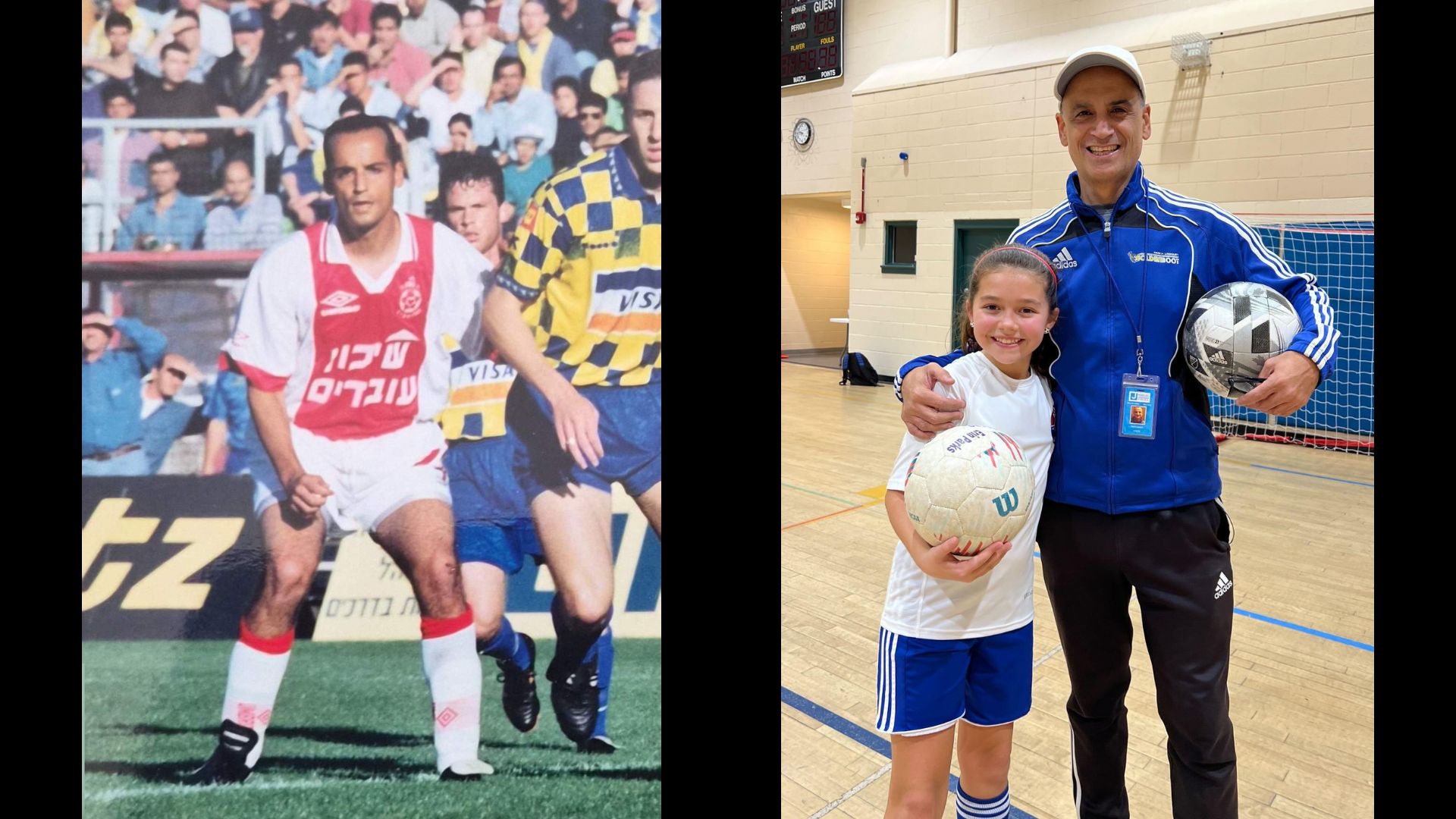
Thirty years ago, Tamir Linhart never imagined that the game of soccer would define his life’s work—or that the Pozez JCC would become a second home. Today, as the founder of Golden Boot Soccer, Tamir isn’t just coaching athletes; he is weaving together the Northern Virginia community through a shared love of the game and a deep-rooted spirit of service.

Tamir, an Israeli, played soccer professionally for Hapoel Tel Aviv, a top Israeli club and was a standout member of his college team at George Mason University. He then scored a position on the Washington Warthogs, a professional indoor soccer team owned by the Washington Wizards and Capitals. As his playing days began to wind down, a simple request to coach a young player sparked a new passion.

That coaching gig led to another, and then another. As winter approached, Tamir faced a hurdle… what would happen to his coaching opportunities if he didn’t find an indoor space to practice? He had an idea.

“I just walked into the JCC and said, ‘Hey, I have tons of kids. I have nowhere to play. Is there any way I can use the gym?” The J opened its doors, and Tamir brought his world with him. Leveraging his own players and leaning on his connections within the Washington professional sports community to market his winter soccer program, 200 kids showed up that first winter! That’s when he realized this was no longer a hobby – it was his future.

Thirty years later, the impact is generational. Golden Boot Soccer has served thousands of kids across Northern Virginia. In a full circle moment, Tamir finds himself coaching children of some of his first players and has hired former participants as coaches.

“The J is very special to me because they are the ones who gave me the opportunity,” Tamir says, his gratitude clear. “I don’t think I’d be where I am today without the J. And that’s one of the main reasons I’m still involved. You want to give back.”

At first, Tamir gave back in small ways, donating occasionally or attending events. But when he was given the opportunity to join the board of the JCC, he didn’t hesitate. “I love the people at the J, so I obviously said yes.”

But just being on the board wasn’t enough, he wanted to find a project that touched the heart. When the J partnered with Sunrise Association to create Sunrise Day Camp – Greater Washington, a fee-free camp for kids with cancer and their siblings, he knew how he could make a difference. Now Tamir is an active member on the boards of both the J and its Sunrise Day Camp, pouring his energy into ensuring these families find the same sense of belonging and joy that the J once gave him.

To Tamir, the JCC is the heartbeat of the community—a place where seniors find connection, Israelis find a slice of home, and young people discover their heritage. Through soccer, he subtly weaves Jewish values like Shmirat HaGuf (taking care of the body) and discipline into every drill.

As an Israeli, Tamir wants to engage the Hebrew-speaking community to be more involved. In his mind, the JCC should be a place where all the small communities within Jewish Northern Virginia come together to be one big community.

Golden Boot soccer programs at the J, it turns out, organically achieve some of these goals.

Playing sports, including soccer, teaches Jewish values to kids in unexpected ways. “Physical health is a big factor in Jewish values,” Tamir says. “Discipline, dedication, believing in a goal — those are all very strong Jewish values.” He also serves as a role model for Jewish kids who may harbor the misperception that Jews aren’t typically good at sports and can’t be professional athletes.

Soccer programs at the J also create a bridge between Jews and non-Jews, and Tamir is happy to educate them all about Jewish tradition and culture and the value of a J membership. “They come up to me and ask me questions about what is this and what is that and why do you do this?” Some families start with soccer, but go on to become members, attending other programs and working out in the J-Fit Health Club.

Reflecting on thirty years of growth, Tamir acknowledges that the work of building a community is never truly finished. “There’s a lot of work to do, but the people are wonderful. I’m just really happy to be part of it.”

A Jewish Lens on Conflict Transformation

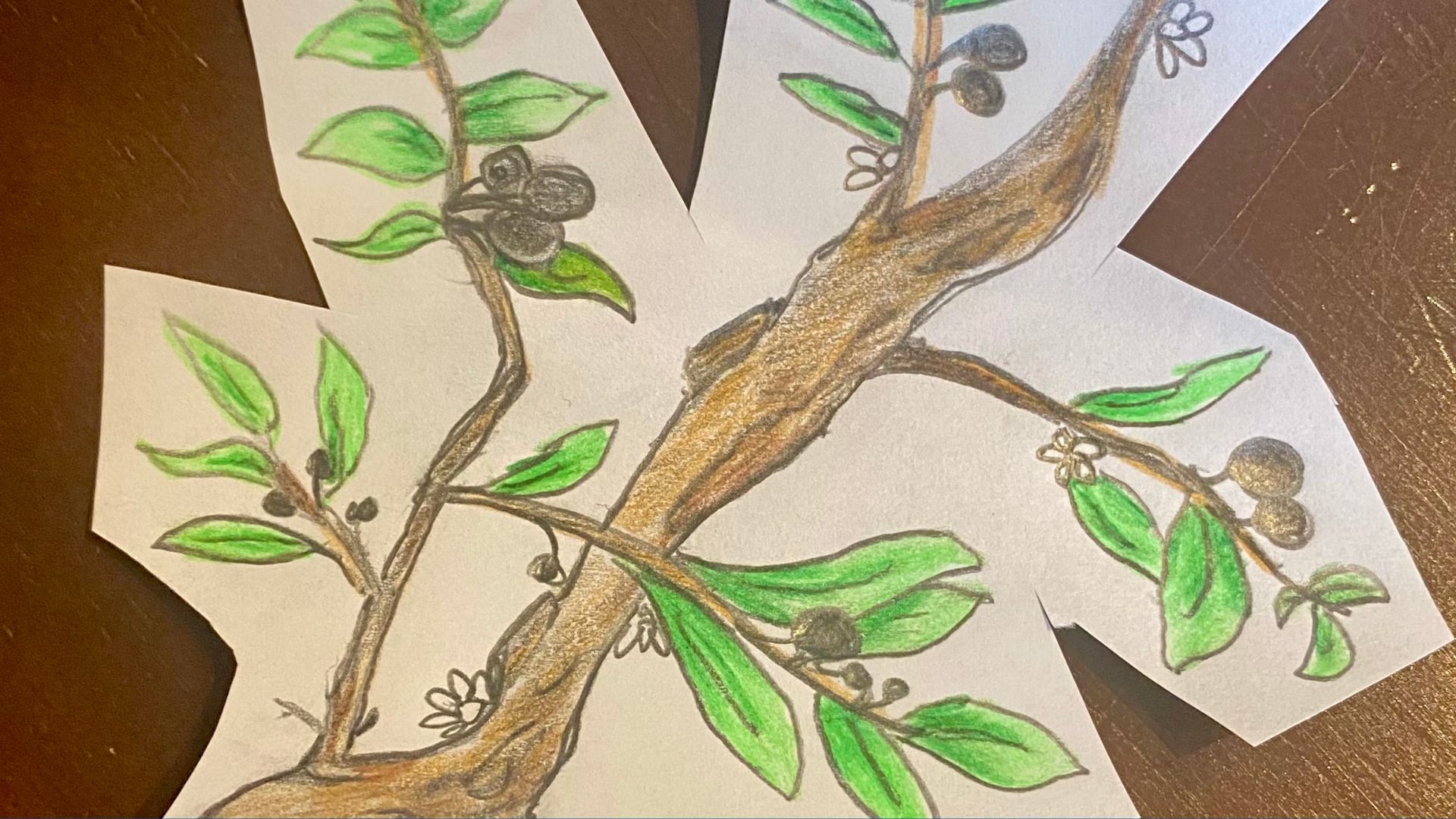
This Passover I added an olive branch to my seder plate.  After doing a bit of research on how to acknowledge the conflicts around the world, I landed on the olive branch as a sign of peace.  In doing so, I realized I might also create a space for dialogue at the Seder table where not every family member agrees on how to achieve peace.  My father encouraged me, reminding me, reminding me to allow everyone to be heard, to build community by acknowledging that differing opinions are both expected and honored. 

This notion was echoed in the Pardes Institute’s Mahloket Matters Fellowship I participated in this fall. A mahloket is a disagreement. The fellowship posited that Jewish teachings promote constructive disagreement, creating space for deeper meaning, relationship building, and better solutions — essentially transforming conflict into a method to build bridges and community. 

What’s Jewish about constructive disagreement?  You may have your own answers for this drawing from your recent Passover Seder or family squabble! Diving into rabbinical texts in the fellowship, we explored the notion that not even Moses was blessed with knowing everything. This humbles each of us to accept that truth for ourselves as well.  We also learned that the Sanhedrin (Jewish supreme religious court) encouraged disagreement (not uniformity) to find better solutions. 

According to Pardes’ Mahloket Matters Fellowship, the four pillars of a constructive disagreement are: 

  1. Debate the issues without attacking people and harming relationships. 
  1. Check your motivation.  Are you trying to win or to understand and solve problems? 
  1. Listen to the other side and be open to admitting that you might be wrong. 
  1. Consider that you might both be right despite holding opposite positions. 

In the spirit of constructive disagreement, I used the olive branch on my seder plate to open a conversation where the diverse perspectives at my table could be respected.   

This spirit is what led me to the Pozez JCC, where we build community every day by listening to everyone and making space for disagreement.  The six J-Family Ambassadors I support are opening conversations with young Jewish families looking to connect and build community throughout Northern Virginia.  They are creating events based on their community’s expressed desires and meeting people where they are to support growing families and their Jewish identity. 

The Pozez JCC has supported the J-Family Ambassador Program from its inception here in Northern Virginia and promotes an environment of learning and dialogue. Pozez leadership also encouraged my participation in Mahloket Matters, recently hosted a workshop from For the Sake of Argument (a program that also builds skills for constructive disagreement), and continues to support diverse and thoughtful programming with a welcoming communal atmosphere.  We always welcome suggestions, so if you have a program you want to see, please let us know! 

You can join us in the spirit of building a rich, diverse community in any of the following ways: 

  • Come to the Pozez JCC and see what the buzz is about!  You’ll always find a friendly face and an engaging activity, ranging from special events to fitness to Mah Jongg in the lobby.  

How saying ‘yes’ makes a difference to Sunrise families facing pediatric cancer 

Last weekend, the Pozez JCC and Sunrise Day Camp – Greater Washington answered with a resounding “yes!” to our campers’ most-asked question: “Can we have more camp?” 

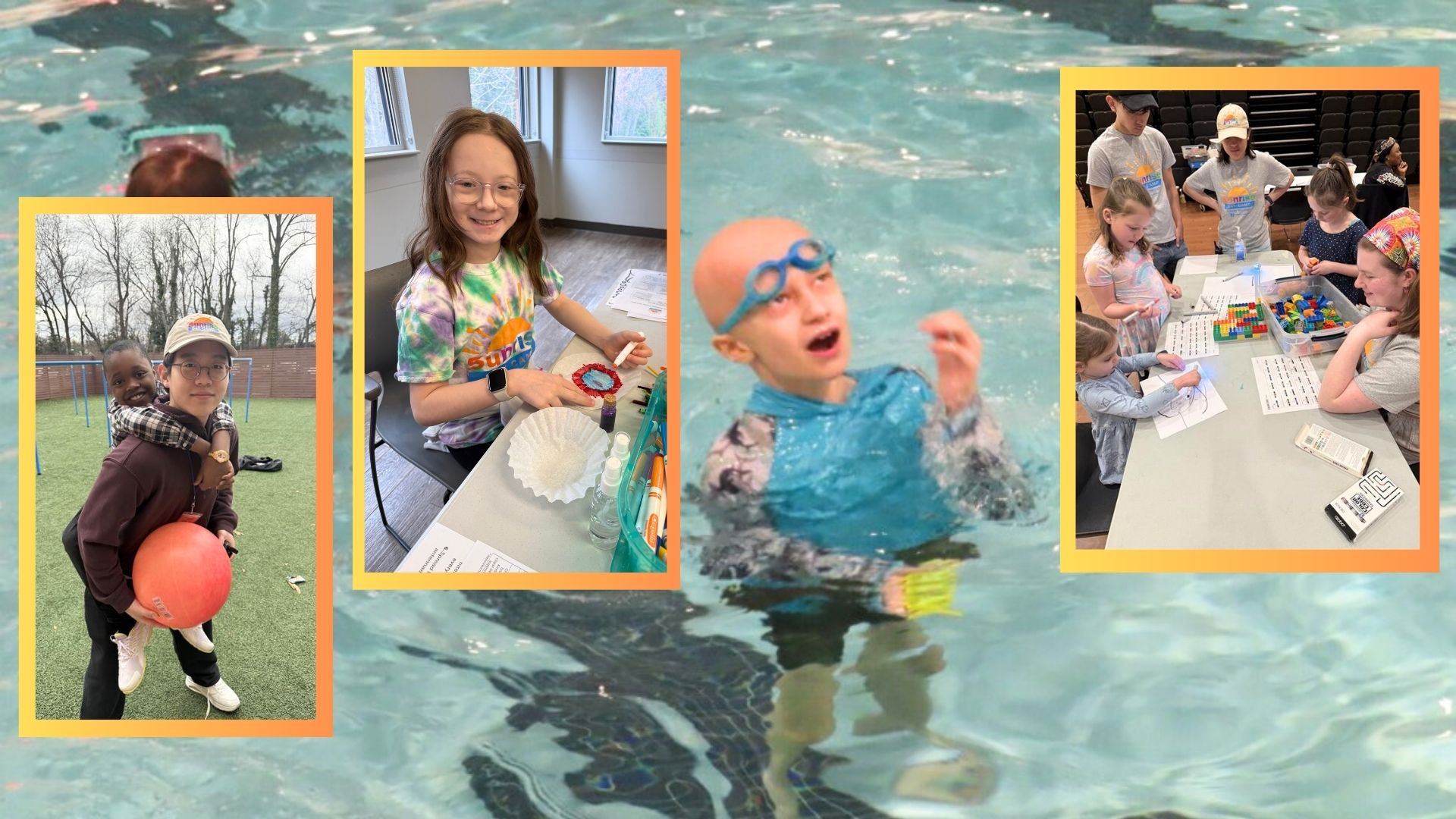
The Camp YES Day event, one of Sunrise’s monthly Family Fun Day activities, brought back that magic summer feeling with a chance to revisit everyone’s favorite camp activities outside of the camp season. 

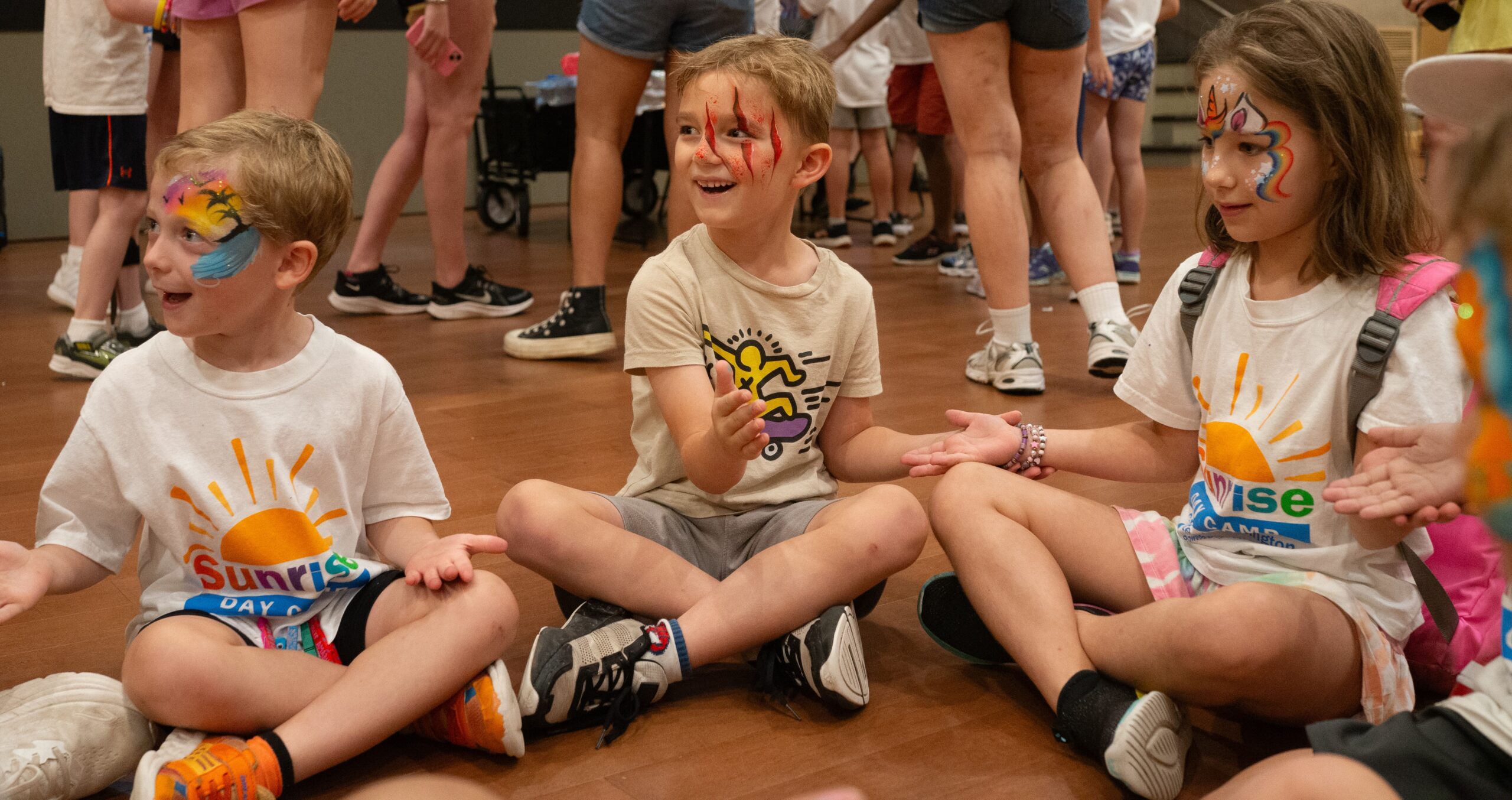
The day was all about letting campers do the things they love most. They got to swim, participate in STEAM activities and arts and crafts, take center stage at drama class, and reunite with their camp friends. Our campers are a mix of kids facing cancer, survivors, and their siblings, but at Sunrise Day Camp, they’re all just kids having fun. 

Camp YES Day was a slice of camp with one important twist. Parents were welcome to attend and join the activities with their families. This Family Fun Day was our most attended yet, with 65 participants representing 16 families and 17 dedicated staff members coming together for a day filled with laughter, connection, and unforgettable camp fun. 

When they weren’t busy enjoying special activities with their kids, parents shared the impact the various Sunrise programs have had on their families. These conversations reminded us that the impact of Sunrise extends beyond the campers themselves — it touches entire families. 

One family shared how the COVID pandemic felt doubly isolating when one of their sons was diagnosed with cancer and long hospital stays separated the two boys during treatments. During those difficult days, Sunrise on Wheels — Sunrise’s in-hospital program — gave the family something to look forward to, as the team brought toys, games, and fun directly to the hospital. That summer, Sunrise Day Camp brought the boys back together, while also bringing joy and normalcy back into their lives. 

When asked to describe Sunrise in just one word, parents responded with “blessing,” “connection,” “belonging,” “community,” “hope,” “home,” and “joy.” Each word reflected a different experience, but together they painted a powerful picture of what Sunrise means to the families we serve.  

What we heard from families on Camp YES Day is that Sunrise is more than a camp. It’s a source of hope during one of the most difficult periods of their lives. Sunrise Day Camp continues to be a place where entire families feel connected — to other families who understand the realities of having a child with cancer, to caring staff, and to a community that surrounds them with encouragement and support. 

Events like Camp YES Day also serve as an important reminder that programs like Sunrise exist because of the generosity of our community. All Sunrise programs, including our six-week summer day camp, Family Fun Days, and Sunrise on Wheels hospital programming, are offered completely free of charge. We can’t create that magic alone. 

As we look ahead to our fifth summer, Sunrise Day Camp – Greater Washington invites the larger community to come together to support our programs. Because when we say “yes” to children with cancer and their siblings, incredible things happen: joy returns, friendships grow, and families find a place where they truly belong.  

Say “yes” today and support Sunrise Day Camp. DONATE NOW 

ECLC in DC: Early Childhood Advocacy in Action on Capitol Hill

Advocacy is about turning passion into purpose and purpose into action. Last month, members of the Pozez JCC’s Early Childhood Learning Center (ECLC) had the meaningful opportunity to bring the voices of early childhood educators from Northern Virginia directly to policymakers in Washington, D.C. 

In addition to our roles at the ECLC, Sarah and I serve as advocacy co-chairs for the Northern Virginia Association for the Education of Young Children (NVAEYC). As part of this advocacy committee, we organize and facilitate a six-week Advocacy Leadership Training Program (ALTP) for early childhood educators. 

At this year’s training, we explored the foundations of early childhood education policy at the local, state, and federal levels and discussed how legislation impacts the affordability, quality, sustainability, and reach of educational programs. Together, we unpacked complex policy issues and practiced crafting advocacy messages. Early childhood professionals carry firsthand knowledge of how government policies affect children, families, and educators, and we practiced how to translate our experiences into compelling stories that resonate with decision-makers. 

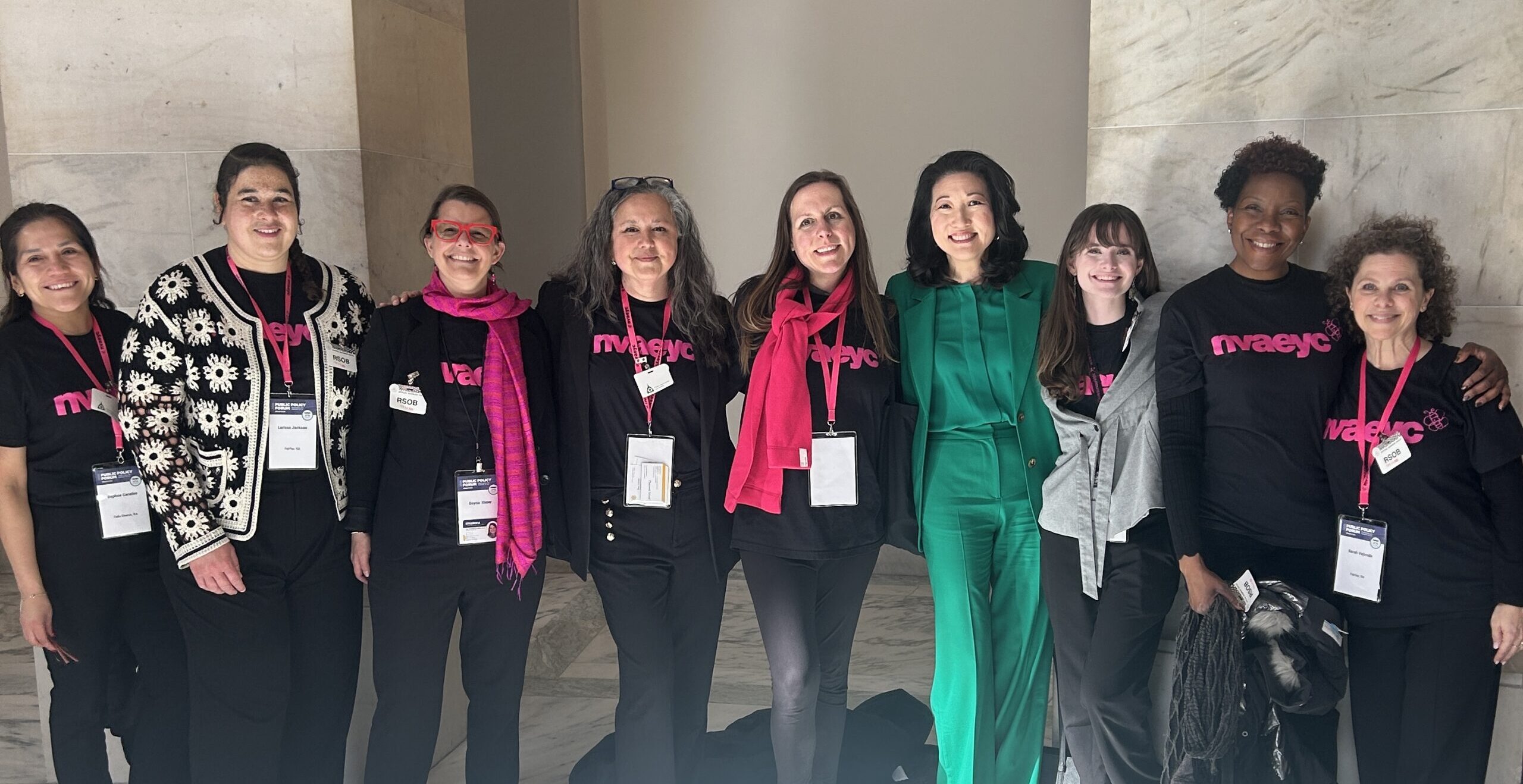
The culmination of the ALTP is attending the National Association for the Education of Young Children’s Public Policy Forum. Our cohort joined more than 400 early childhood professionals from across the country to gather on Capitol Hill in late February to advocate on behalf of early childhood education. Walking the halls of the Capitol alongside educators, center directors, advocates, and allies from nearly every state was energizing as we united in a shared sense of purpose. 

We stepped into meetings with policymakers and congressional staff to advocate for meaningful investment and support. Our cohort members spoke candidly about the realities facing today’s early childhood education workforce: rising operational and tuition costs, persistent staffing shortages, compensation challenges, and cuts to programs that families, children, and early childhood educators rely on. We also shared positive personal stories about children who thrived with the right support, families who successfully balanced work and caregiving, and educators who remained committed despite significant challenges. 

For many participants, this was their first time engaging directly with elected officials or their staff. After the training they received, they were able to hold confident, informed conversations on Capitol Hill. Watching early childhood professionals recognize their own power as changemakers was inspiring.  

 The experience was deeply personal for us as facilitators as well. Supporting this cohort reminded us that advocacy is not separate from our professional roles; it is an extension of our responsibility to children and families. When we advocate, we honor the relationships we build every day in our programs and ensure that decision-makers understand what is truly at stake. 

At the Pozez JCC, we know that early childhood education is a cornerstone of strong communities. Our commitment to high-quality, relationship-based early learning extends beyond our classrooms and into the broader systems that shape opportunities for young children. Advocacy is one way we embody our values. 

 We returned from the Public Policy Forum feeling connected, motivated, and hopeful. We are proud to represent our ECLC community, proud of our ALTP cohort, and proud to stand with hundreds of early childhood advocates nationwide who believe that investing in young children is investing in our collective future. 

Written by: Sarah Vejvoda, ECLC Atelierista and Hillary Gile, ECLC Pedagogista 

Reasons to Love the Early Childhood Learning Center

Since moving to Northern Virginia nearly 10 years ago, I’ve experienced the Early Childhood Learning Center (ECLC) through many lenses: first as a parent, then as an educator, and now as an administrator. Each role has deepened my appreciation for this community. People often ask why my three children and even my husband love being part of the ECLC family. What makes this place so special?

The moment I first walked through the ECLC doors in 2017 – as a parent searching for a preschool for our now 11‑year‑old son – I knew this was the right place for my child. As an early childhood educator, I immediately noticed the thoughtful environment and the time and intention given to documenting children’s daily learning. It was visible in every corner of the building.

Shortly after enrolling my older son, I applied for a teaching position and was hired as an infant educator. I appreciated the many opportunities to grow professionally within such a supportive, collaborative community. 

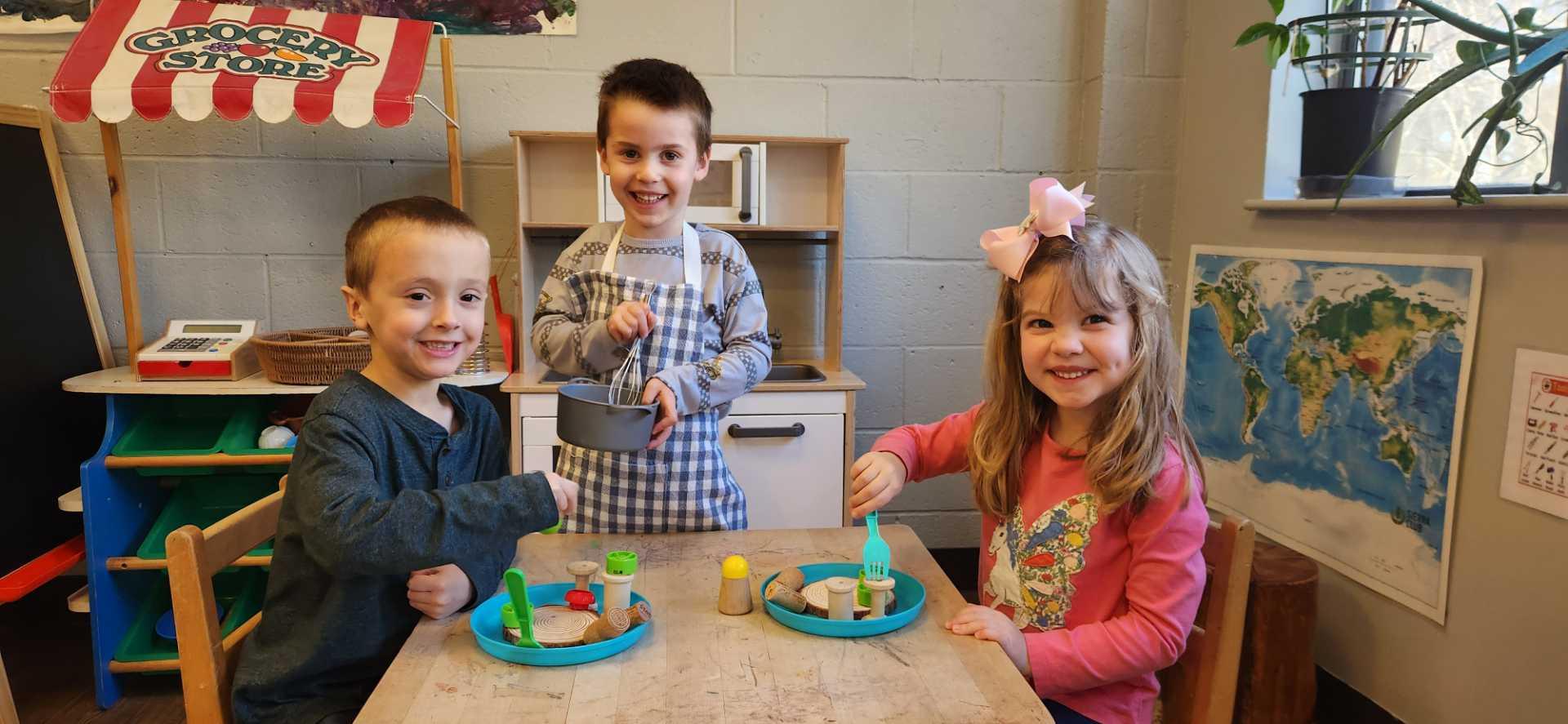
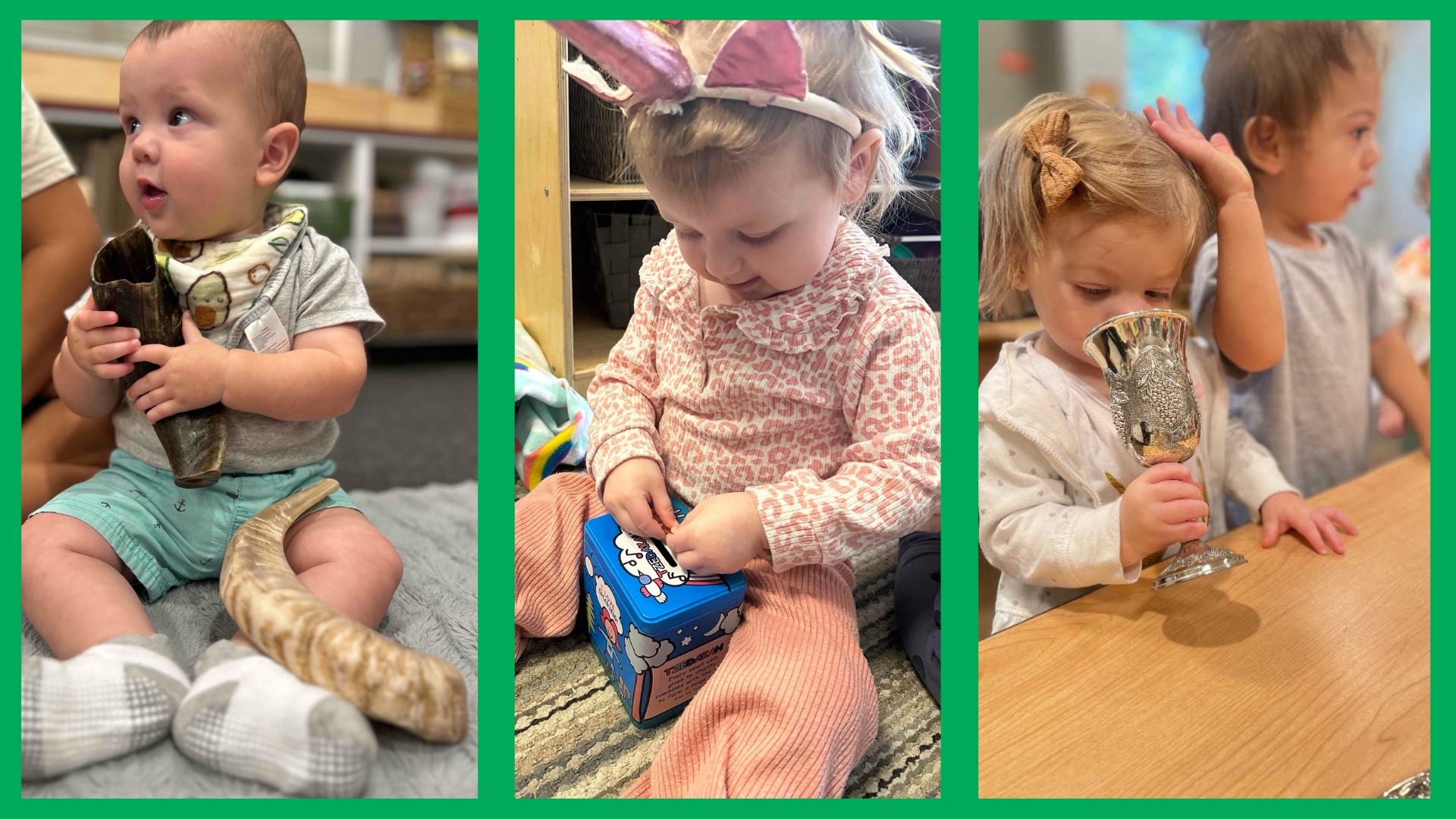
As an educator, I loved to witness the children’s daily learning and growth in my classroom. The ECLC is a space that allows children to express themselves through open-ended learning using the diverse perspectives from the children as well as the educators within the classroom. ECLC educators create “provocations” that occur daily as activities to spark the observations and ideas that are coming from the children. 

We share these observations and learnings with our families through “storyboards.” Storyboards combine photos, videos and anecdotes to create a snapshot of what occurs daily in the classroom. As a parent, I enjoyed reading these stories in the evening with my child as it was a way to connect to what he’d done during the school day. I saw how within the ECLC, partnerships between educators and families came naturally as we shared connections through these storyboards. 

My husband and I also cherished the way our son came home from the ECLC overflowing with stories about how he spent his day exploring the outdoor classroom, celebrating Jewish holidays, dressing up, building structures, and, most importantly, simply being himself. My husband was thrilled when teachers invited him to share his expertise in and love for astronomy with our children’s classes. 

Years later, we are still a proud ECLC family, and we continue to feel at home within the ECLC community. Our twins, who started the program at just five months old, are now completing their final year at the ECLC. It’s remarkable seeing how much they’ve grown during their time at the ECLC. 

ECLC has shaped our family’s journey in countless ways, and we are grateful to be part of a place where children, educators, and families can flourish together.

But don’t just take our word for it. When asked why they love the ECLC, here is what the children in our 3’s and 4’s classes answer: 

  • “The Lego wall” 
  • “Playing with my friends” 
  • “Place to play games” 
  • “Making things for my friends” 
  • “Riding bikes in the gym”
  • “Building jet skis and airplanes (out of mini Legos)” 
  • “Spaces to draw with my friends” 
  • “Nap time” 
  • “Lunch time because I get really hungry at school”
  • “Shabbat”
  • “We can explore that further during provocation time” 

Registration is now open for the ECLC. Learn more and register on our website. You can also support early childhood education with your donation to the Pozez JCC.

What I Notice When Nothing Needs Fixing: A Camp Achva Inclusion Story

Thursday at 2 PM is an ordinary time at camp, which is exactly why I pay attention to it. Most of camp is movement and noise and momentum. The middle of the day is where things either quietly work or quietly come undone. A time when I can see if our inclusion efforts are working or not. 

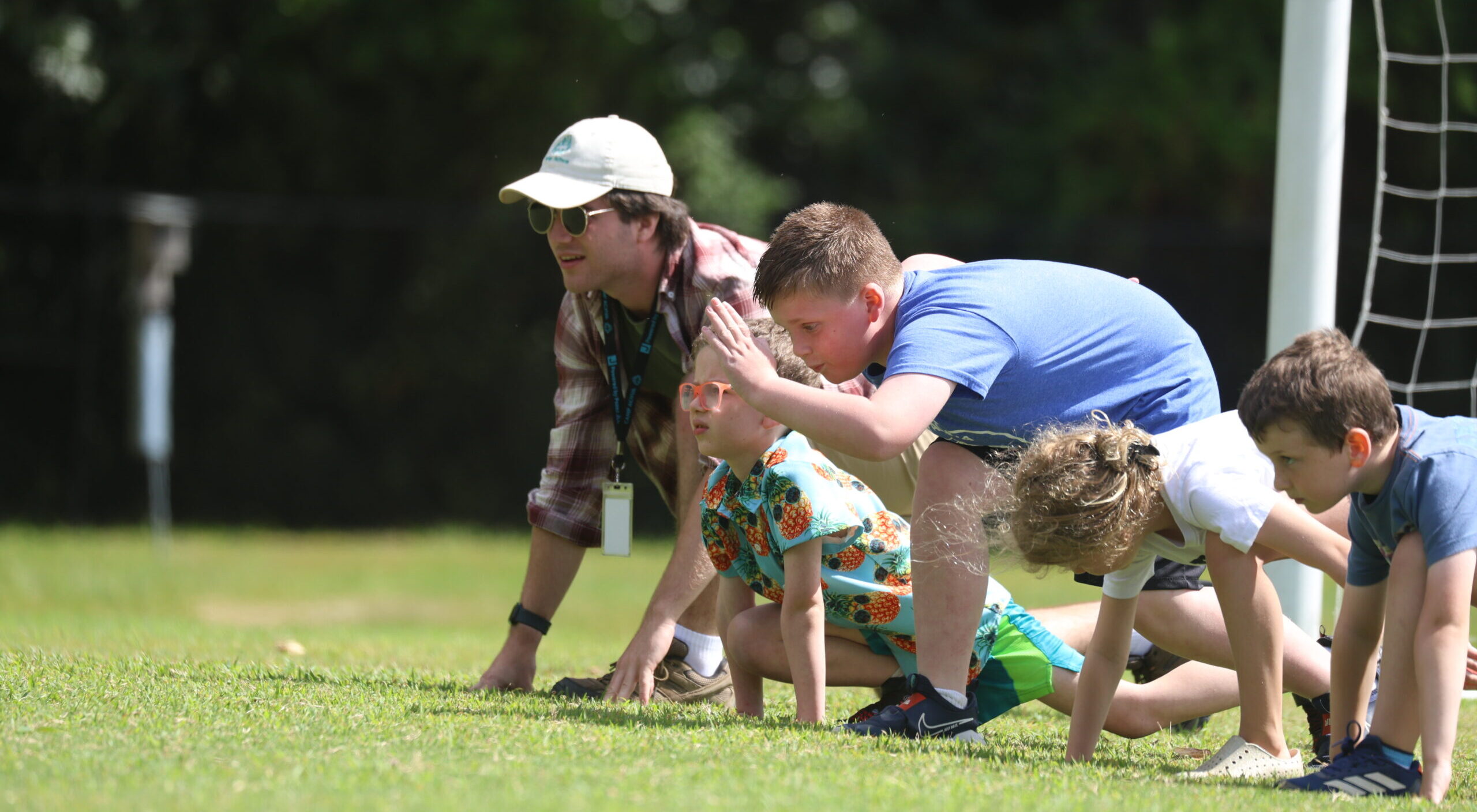
This particular Thursday, I sat by the soccer field behind Gesher, watching a group of campers get ready to play. All was quiet, but my senses were heightened. 

I expected this to be the moment when opting out happened. 

Not dramatically. Just the way it usually does. A child drifting away from the activity. Standing off to the side. Not complaining, but not engaging, either. It’s at these times when staff energy splits, attention fractures, and something small gets carried for the rest of the day. 

It didn’t happen. 

The sports specialist explained the game the way they always do. Rules first. Then roles: players, referees, scorekeepers, ballhandlers. Same voice. Same weight. No explanation for why there were options. No emphasis on specific roles. 

I noticed the pause when the kids looked around before choosing. That moment matters. It tells you whether choice is real or performative. 

One child surprised me. I expected them to opt out entirely. Instead, they chose referee. 

They didn’t know the rules of soccer, and that was fine. Knowing the rules isn’t actually the requirement of our camper referees. They’re there with the specialist to help keep things fair. They’re there to support sportsmanship. I knew they could do that part well. What caught me was more than the choice itself. It was what happened over time. 

The child shifted roles as the game went on. Referee for a while. Then goalie. Then cheering while drinking water on the sidelines. Then back again to referee. When the teams became uneven, I watched staff compensate without making it a big deal. When someone who had opted out earlier drifted back onto the field, no one narrated it. The group adjusted. The game continued. Just as it was supposed to. 

What would have felt off to me was emphasis in the wrong place. Too much attention on the rules. Too much cheerleading for opting out. Language that tried to manufacture meaning from actions. Those things didn’t happen either. 

What I was watching wasn’t about a particular child or a particular need. It was about how the camp environment had been designed so that difference didn’t require explanation in the first place. 

This kind of moment doesn’t come from instinct alone. It comes from years of training. From practice. From feedback from parents, campers, and staff. From slowly releasing the assumption that there is one correct way for a child to show up to an activity. 

When you let go of that assumption, something else happens, too. 

Staff are released from the belief that if a child doesn’t participate in a normalized way, they’ve failed. Kids are released from the sense that if they interact with the activity on a different level, they’ve failed. The work becomes less about coercing engagement and more about holding the group together. 

For me, if the entire group had decided they didn’t want to play soccer and wanted to play tag instead, and everyone could be part of that, that would have been fine. What matters isn’t the activity. It’s the collective decision, and the multiple ways to belong inside it.  

In that moment, I felt proud. Proud of the staff. Proud of the kids. Proud of the camp. Proud that this moment was so routine no one else stopped to notice it. Proud that it didn’t feel fragile. Proud that I work in a place, the Pozez JCC of Northern Virginia, that supports building inclusive conditions like this and understands what it takes to sustain them. 

I couldn’t stay for the whole block. But I sat long enough to know that what I was watching didn’t need fixing.  

This is what inclusion looks like at Camp Achva day to day. Not as a program, but as a practice. It depends on choices that aren’t always visible. On staffing ratios that allow adults to watch instead of manage. On having enough people in the room that no one has to disappear for the group to function.  

When those conditions are in place, moments like that Thursday at camp feel ordinary.  

When they aren’t, moments like that don’t happen at all. 

L’Dor V’Dor: How the J Shapes Lives Across Generations

The Pozez JCC of Northern Virginia is the kind of place where time folds in on itself. Where past, present, and future share rooms and hallways. Where belonging can and does stretch across decades and generations. Where preschoolers play with blocks and seniors play card games, all in a shared space.

For some families, the J is part of their story.

It certainly is for the Chabrows.

When Andrea Chabrow walked into the J’s old building as a young adult who was new to the area, she wasn’t looking for a legacy. She’d moved to Virginia for a teaching job and was already thinking about returning to New Jersey. A friend suggested she check out the J’s young adult programs to feel a little more at home.

What she didn’t expect was Michael. She met him in the J’s summer volleyball league, and at first, she wasn’t that impressed.

“He wasn’t really my type, but I had a friend who was interested in him, so of course that made me interested, too,” she remembers.

But then came the dinner with friends, the unexpected warmth, and the moment he showed up at her door helping her move on a rainy day, carrying flowers so drenched that all their petals had fallen off. Something shifted. And from that shift grew a marriage, a family, and a story that would eventually return to the J again and again.

Decades later, their son Bryan found his way back to Northern Virginia after years in Los Angeles. With his wife Sarah and their children Levi, 4, and Olive, 6 months, he returned seeking something familiar — family support, more space, and a sense of community.

They toured a number of preschools, but the J stood out. Levi was already used to a JCC preschool in Los Angeles, and when they walked into the Early Childhood Learning Center (ECLC) in Fairfax, something clicked.

“We really wanted a place with community,” Bryan says. “Somewhere people actually get to know each other.”

Now Levi is thriving there, and Bryan finds himself in the fitness center regularly, learning to work out in a space that feels welcoming rather than intimidating. The J, once the setting of his parents’ love story, has become the place where he builds new memories with his own children.

“It’s nice that it’s a place that has special memories for my parents and that will also have special memories for Levi,” he notes.

The Adler family’s story stretches even further back, woven tightly into the very origins of the J itself.

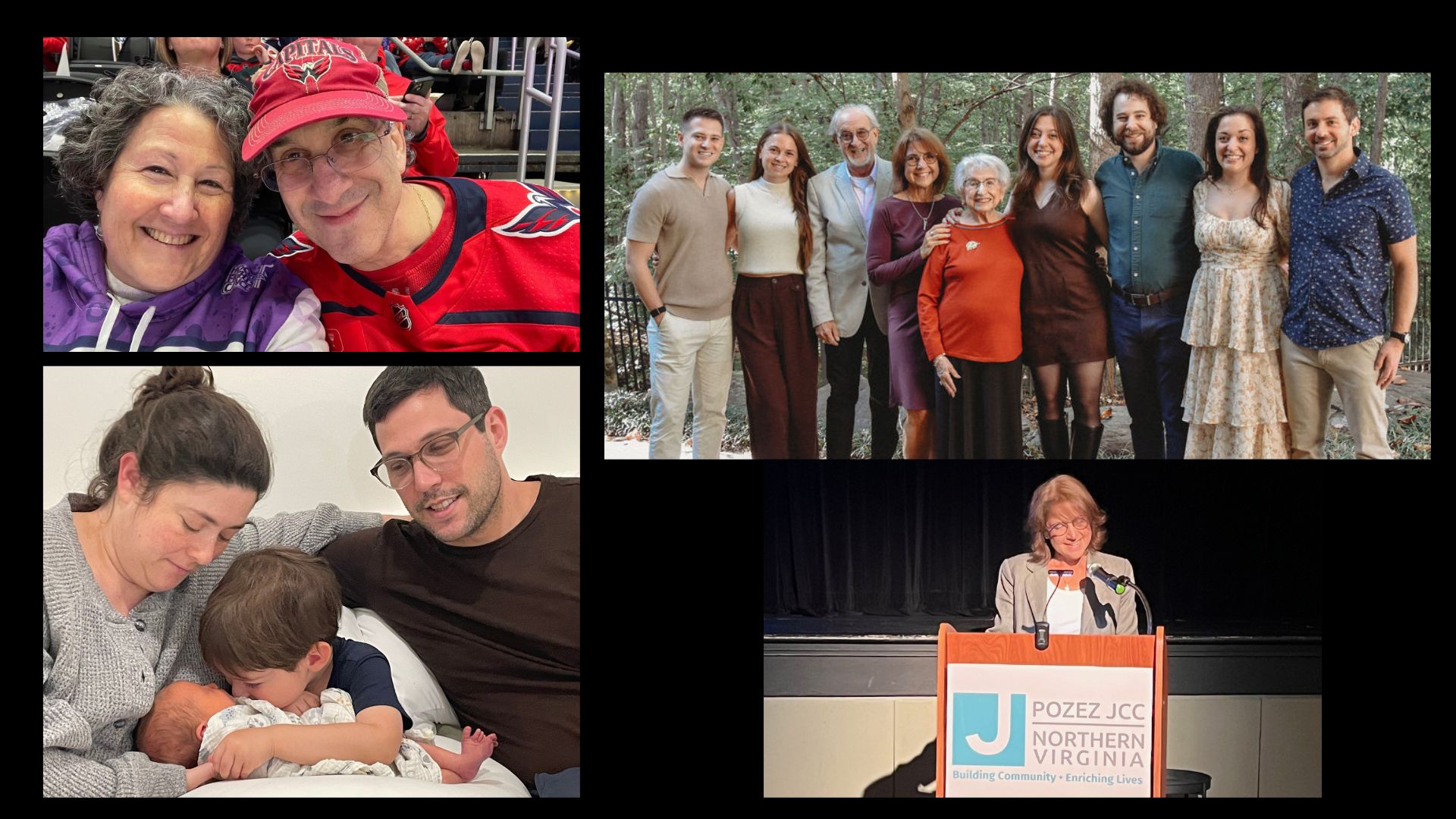
Laura Adler, today the Pozez JCC’s Senior Director of Marketing and Communications, grew up watching the J evolve because her parents, Dotty and Al Fuchsman, were among those who helped create it. In the early years, her father served on the board, her mother worked on the staff fundraising to make the building possible, and they both worked on various committees for decades.

“I remember licking envelopes at the J’s office on Dorr Avenue and helping with mailings as a kid,” she recalls. “It’s always felt natural to me to be involved with the J and to help build the Jewish community in Northern Virginia.”

Her brother, Michael, was among the first to go to Camp Achva in 1969, back when the camp had only a handful of kids. Laura and her older brother eventually became campers too, and then all three were counselors. It felt like a natural progression when she joined the J’s board as an adult, then joined the staff in 2007.

When Laura and her husband, David, had children, it was important to them that they grew up at the J to feel the same comfort in the Jewish community that they did. The kids attended preschool, participated in after-school programs, spent summers at Camp Achva, and later returned as staff. Until last year, Ilana (now 33) served as the Assistant Director and Family Support Specialist of Pozez JCC’s Sunrise Day Camp.

For Laura, walking into the building feels like stepping into a living scrapbook. She sees the faces of people who are friends of her parents, watched her grow up, and celebrated milestones with her children.

“I feel so at home here, and so does my family. This sense of belonging to this community, the J family, it’s been a constant in our lives.”

What makes the Chabrows’ and the Adlers’ stories remarkable is how seamlessly the J holds these generations together. It’s a place where a preschool class might walk through the lobby on their way to the gym, waving to seniors playing Mah Jongg. Where a young parent can meet new friends who become lifelong companions. Where families who arrived decades apart find themselves connected through shared experiences and shared values.

As Laura puts it, “The J is truly a home for all generations. Through the dedication of our staff and the reach of our programs, we hope that everyone who engages with the J, no matter their age or background, feels welcomed and part of a large, vibrant Jewish family.”

Behind every one of these stories — every wedding that began with a volleyball game, every preschooler’s first challah, every memory made at Camp Achva, every senior who finds connection over coffee — are donors who made it all possible. Their generosity is the quiet engine that keeps the J thriving. They ensure the ECLC can nurture children like Levi, the fitness center can welcome adults like Bryan, and the J can create camps, classes, and celebrations that support families just beginning their Jewish journeys as well as those whose roots stretch back decades.

A gift to the J sustains a community where stories like the Chabrows’ and the Adlers’ can unfold, a community where people of all ages feel welcome, and where legacy shapes the future.

Magic You Can Measure: The Transformative Impact of Sunrise Day Camp 

When most people think about families facing pediatric cancer, words like joy, magic, or hope rarely come to mind. Yet, these are exactly the experiences children and their families discover at Sunrise Day Camp, a free camp for kids with cancer and their siblings held at Pozez JCC.  

At the end of camp this year, we asked families to reflect on their children’s experiences — and what they shared was powerful.  “Sunrise has created magical moments and experiences from raw and heartbreaking situations,” shared camp mom Lindsay D.  

Her sentiment is not only felt by families but backed by research. Between June and August of 2024, the Sunrise Association partnered with researchers from Tel Aviv University School of Public Health to conduct a comprehensive study on the impact of Sunrise Day Camps. The study rigorously measured several core areas of children’s well-being — resilience, quality of life, stress and anxiety, sibling relationships, illness management, well-being, and self-esteem — to see if camp had a positive effect. 

Not only did camp improve resilience and well-being, according to surveys taken before and after the summer, but a third survey conducted 12 weeks after camp showed sustained improvements in key areas (Sunrise Association, 2024). That means that camp continues to enrich the lives of kids with cancer and their siblings long after they say goodbye to their beloved counselors and camp friends. 

While this study did not include our local Sunrise program, our families agree that Sunrise Day Camp improves their lives – especially in three significant areas. Unsurprisingly, their words align with the study’s findings. 

Camp reduces family stress and anxiety 

For families navigating cancer, daily stress can feel overwhelming. Sunrise gives children space to play, explore, and experience normal childhood joys  — and offers parents a rare moment of relief. 

As Ariane G. shared, having her children at Sunrise Day Camp “meant a lot to me, especially during chemo weeks when I could just focus on Daniel and not worry about what my other children were doing at home. Also, during tough weeks with multiple ER visits, it’s nice that my other children are busy at camp instead of worrying about their brother.”  

Not only do parents feel the Sunrise effect, but children carrying the heaviest emotional burdens also feel their stress ease and their spirits lift in the camp environment. 

Summer fun together improves sibling relationships  

Sunrise Day Camp prioritizes creating a space where siblings can be silly, play, and enjoy each other — even when treatment realities feel heavy. Parents say that camp allows their children to bond with each other and feel like kids again. The study highlights that camp meaningfully supports sibling relationships, easing tensions and strengthening family unity. 

This return to normalcy helps siblings reconnect and build stronger bonds, even during the most challenging seasons. 

Sunrise Day Camp builds resilience in campers and their families 

Some families at Sunrise face unimaginable loss, while others are in the midst of grueling treatment. In every situation, Sunrise helps children and siblings build resilience as they navigate hardship. 

The Sunrise Association’s impact study reported that “resilience increased significantly across the board, with children leaving camp more emotionally equipped to handle adversity.” This held true for both diagnosed campers and siblings.  

Sunrise makes long-term connections with its families, who are welcomed back at Sunrise Day Camp year after year — including siblings who continue attending after the loss of a brother or sister. 

“Last year, our eldest son attended while battling brain cancer. Sunrise gave him a place to just be a kid, surrounded by understanding, compassion, and fun,” a camp mom shared. “After his passing last September, it meant the world to us to see his siblings welcomed back with the same warmth and joy he experienced. We cannot thank the camp staff enough for the kindness, energy, and heart they pour into this program. It has brought happiness to our children during both the hardest and most hopeful seasons of our lives, and we will always be grateful.” 

Your support of Sunrise supports the well-being of entire families 

The numbers don’t lie: The magical experiences families describe at Sunrise Day Camp are not only deeply felt but also have a measurable, transformative impact on the well-being of children with cancer and their families. 

Sunrise Day Camp relies on the generosity of our community to offer this amazing service and support to families impacted by pediatric cancer. We do not charge families a single dollar to attend camp. Every moment of joy, every friendship formed, every boost in confidence is made possible because of community members who care.  

Your support will help Sunrise ensure that the magic of camp continues to brighten the lives of children with cancer and their siblings year after year. It costs $6,000 to give one child a full summer of camp and year-round programs — your gift can make that possible. 

Donate now: https://give.thej.org/campaign/637140/donate  

Hakarat hatov: A Jewish gratitude practice for Thanksgiving

 As Thanksgiving approaches, I am reminded of the power of the Jewish value of hakarat hatov, looking for the good.  When the seasons change and I miss the warmth of summer, hakarat hatov reminds me to see the beauty in the world through the changing colors of the leaves.  When life feels hard, simple things, like my favorite lavender soap or a minute of sun on my face, bring a smile to my face and help me keep a positive attitude. 

Hakarat hatov, like any gratitude or positive-thinking practice, challenges our hard-wired negativity bias as humans who are conditioned to scan our environment for threats. Jewish sages must have understood the need for a regular practice to build our gratitude muscle, and so hakarat hatov is built into Jewish tradition. Every morning, the Modeh Ani prayer reminds us to be grateful, and prayers of gratitude are included in every holiday.   

As simple as it sounds, daily gratitude practices are powerful. I am amazed at the peace and calm that settle over my children and me when we focus on specific things we are grateful for at the end of the day. The practice even sets the stage for better sleep. As a life coach, I witness how my clients shift perspectives after adopting regular gratitude practices and how they find growth and energy when they look for the good. 

As Thanksgiving approaches, what regular gratitude practices can you lean into?  What are you grateful for today, this week, this month, this year? 

This year, I am grateful for the community I have found at Growing Jewish Families and the larger Pozez JCC of Northern Virginia.  As the new J-Family Ambassador Program Manager, I have been uplifted by the passion, values, and hospitality that overflow from the JCC’s staff and programming.   

Growing Jewish Families cultivates community by connecting families raising young children in a Jewish environment in Northern Virginia. The team of J-Family Ambassadors works to build community among young Jewish families by region by bringing gift bags to new parents, connecting with parents over coffee, creating online communities, and hosting family events focused on joyful Jewish learning and socializing. 

If your family has a child up to age 6, one of our J-Family Ambassadors is eager to welcome your growing family into our Jewish community. Here’s how you can get connected: 

 
Don’t have young kids? You can help families connect to their Jewish heritage and our community with your year-end gift to the Pozez Jewish Community Center. Donate here

Cultivating Empathy in the ECLC: Empowering Conflict Resolution and Repair with Young Children 

“Say you’re sorry.” 

“Give a hug.” 

These are typical adult responses when conflict arises among young children. But are they the best instruction for developing brains? Within the ECLC, Pozez JCC’s Early Childhood Learning Center, we have spent a lot of time reflecting on what it really means to just say sorry when one child upsets or hurts a peer. 

The word “sorry” to young children (not to mention to many adults) is merely a word said to excuse whatever wrong was done. In my role as an educator and the ECLC’s Pedagogista, I have witnessed many a child, once prompted to say “sorry,” run off to happily engage in something else, while the other child remains hurt and upset.  

Telling children to “give a hug” to resolve conflicts presents additional concerns. Young children are developing foundational understandings of selfhood, bodily autonomy, and agency. While hugs can be a wonderful means of connecting, forcing hugs as a means of resolving conflict can have the opposite effect, especially when it disregards the child’s level of comfort with physical touch.   

So how might we more intentionally address altercations between young children? The ECLC educators have been developing an approach to conflict resolution and repairing harm that takes inspiration from restorative justice practices and principles. Restorative justice centers on relationship repair, accountability, and the needs of all involved parties.  

What does this practice look like? Say Rachel knocks down Eli’s block tower. An adult will prompt Rachel to check in on her distraught friend, giving her the words to ask: ”Are you ok?”  

Space is then held to listen to Eli’s response. If he replies “no,” the next step is for Rachel to ask,“What can I do to make you feel better?” This allows her to hold accountability and seek to repair the harm done. 

Again, space is given for Eli to respond. This is a critical part of the process, ensuring that his expressed needs are heard. He may state that he’d like Rachel to apologize or request that she help him rebuild the toppled tower. Frequently, I’ve heard a child state that they want the other to “be more careful” or “try not to do that again.”  

In this scenario, the adult facilitators would also check in with Rachel to address her needs, as well. They might say, “I saw that you knocked over Eli’s tower. Were you wanting to play with him? We can ask Eli if you can join in his play, or maybe you can build your own tower to knock down.”  

Addressing conflict and harm in this way inevitably takes more time and effort to facilitate than simply telling children to “say sorry.” Yet overwhelmingly children from the ECLC’s 3s and 4s classes have adapted to this new approach. While some children need an adult to model the check-in process for them, by midyear, most children can actively facilitate this themselves. It’s a truly remarkable transformation to witness!  

Through this process, the children can practice problem solving and explore how to better relate together. In a global state of increasing polarization, the ECLC’s hope is that a foundation can be built in this youngest generation that centers on a value of relationships, a recognition of the interconnectedness of us all, genuine care for repairing harm and resolving conflict, and a cultivation of empathy to support a better world.  

Young children have a miraculous way of revealing to us as adults what it really means to be human. If they can learn these important skills, so can we. 

—– 

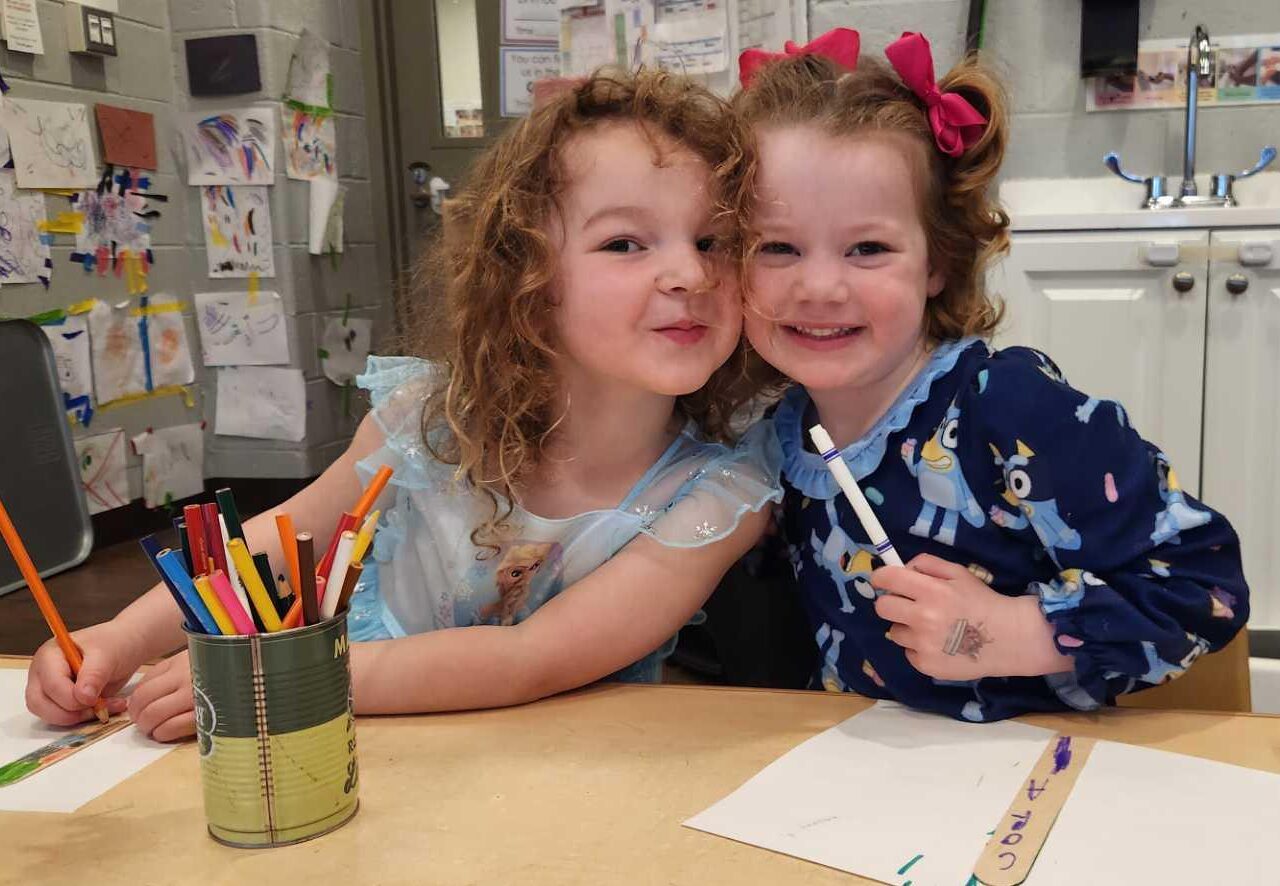
At the Pozez JCC’s Early Childhood Learning Center (ECLC), we cultivate curious, confident learners. Inspired by the Reggio Emilia approach, our nurturing environment fosters each child’s social, emotional, cognitive, and physical growth through rich, interactive experiences. We embrace Jewish values within a universally inclusive curriculum, recognizing every child as capable, competent, and deserving of respect.  

Support our mission to nourish the growth of our youngest learners with a donation to the JCC or contact the ECLC to set up a tour of our licensed preschool and childcare facility.