Join the J in June to receive $109 off enrollment fee! Learn More.

In Honor of Women’s History Month: A Conversation with Board President-Elect, Dr. LaNitra M. Berger

Women’s History Month invites us to celebrate women’s achievements and reflect on how women lead, build community, and shape the future. Women like Dr. LaNitra M. Berger.

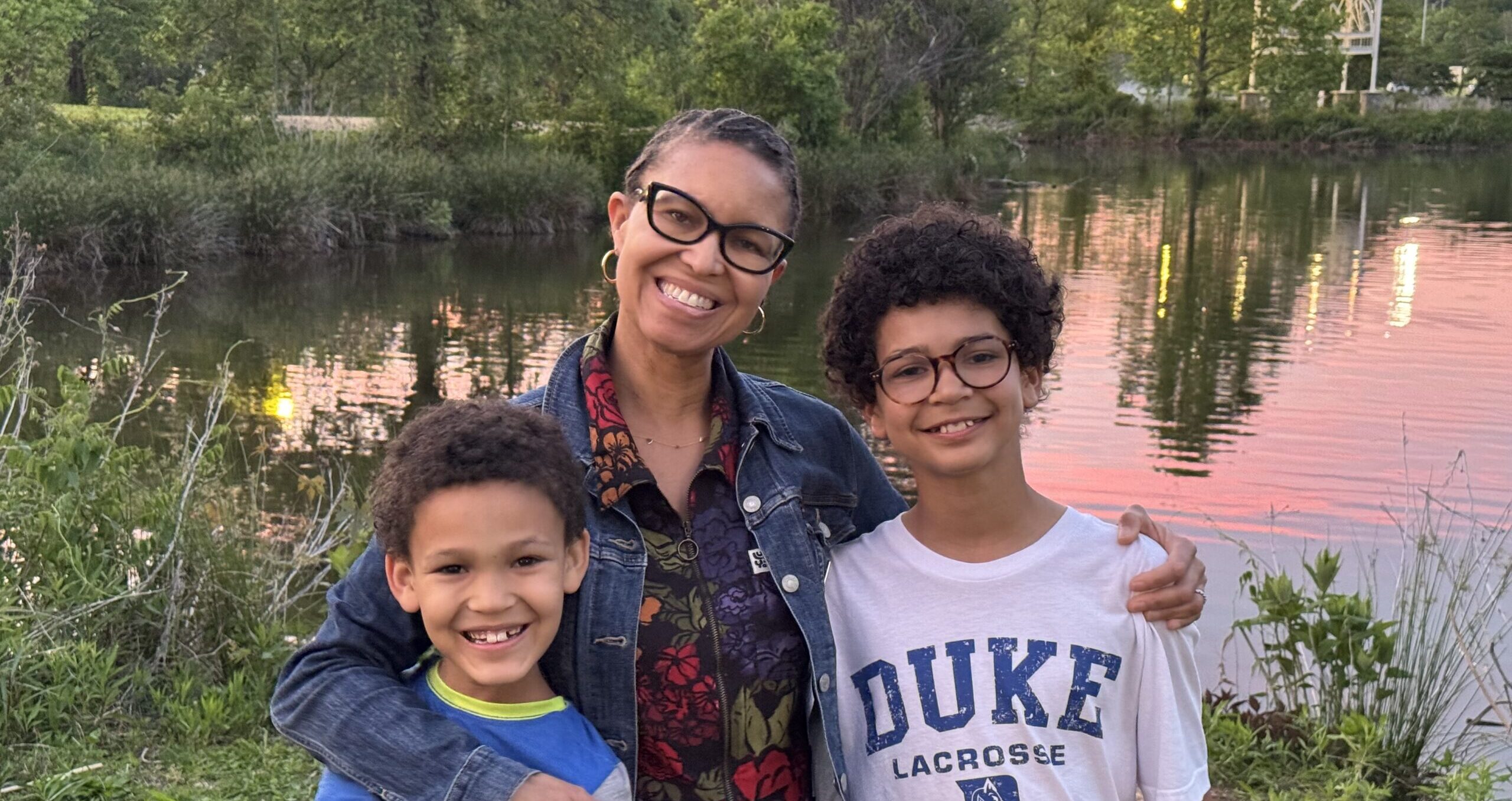
As associate professor of history and art history and director of African and African American Studies at George Mason University, and now board president-elect of the Pozez JCC, Dr. Berger is a leader with many passions. Her work centers on Black-Jewish relations and allyship, offering powerful lessons about leadership, resilience, and the importance of women’s voices across generations.

In honor of Women’s History Month, we interviewed Dr. Berger about her scholarly work, lifelong connection to the Jewish community, vision for the J at a pivotal moment in its history, and reflections on how the J champions women.

  1. Tell me a bit about your background and what brought you to the J.

I originally got involved with the J when my oldest son was at the Early Childhood Learning Center (ECLC), but my connection to the Jewish community began long before that. My husband is Jewish, and I’m Christian, but growing up, my mother felt that it was very important to support Jewish people throughout her life because of how they’d supported her growing up in Jim Crow America.

Once I got to college and met more Jewish people, I was able to really understand what that meant. I did find that in places where I was a minority, I tended to connect with other Jewish people and vice versa.

  1. I’d love to hear more about your scholarship.

My scholarship focuses on the Black–Jewish relationship in the arts. I lived in Cape Town in 2004, where I was embedded in the Jewish community while writing Irma Stern and the Racial Paradox of South African Modern Art. That experience allowed me to see both how challenging and how meaningful allyship between Black and Jewish communities can be on a global scale.

I’m currently working on two book projects. One is co-written with Holocaust historian Dr. Laura Auketayeva and examines Jewish refugee scholars who taught at HBCUs (Historically Black Colleges and Universities) during the Civil Rights era. It’s astonishing to see how important Jews were in the most consequential moments of the Civil Rights movement, going undercover to find information to stop segregation. That’s a story that needs to be told.

I’m also writing a solo book about how Black artists have explored Jewish themes while grappling with questions of racial identity in America. I’m really interested in this question because of my commitment to Black and Jewish relations, but I also believe that there are so many lessons that we as a society can take in understanding how to sit with other people’s pain and to sit with their joy, too.

  1. What does it mean to you, as a woman and an intercultural leader, to serve as Board President-Elect of the J?

I’m deeply honored that my colleagues and peers trust my leadership, and I approach this role with humility and excitement. This is a critical moment for the Jewish community, given the trauma following October 7 and the rise in antisemitism.

I have long considered myself a staunch ally of the Jewish community, and I feel this moment deeply because of the parallels with the trauma Black Americans have experienced. Addressing antisemitism and increasing understanding of the Jewish experience are essential for the health of the entire community.

  1. How does the J work to champion women?

The J’s focus on supporting women is one of the reasons I became so involved here. When my son was at the ECLC, I participated in The Mothers’ Circle, a program for non-Jewish women raising Jewish children, which introduced me to Jewish values in family life and connected me with other mothers I’m still close with today.

I also lectured through the Adult Learning Institute, where scholars were encouraged to highlight Jewish women’s stories. That support helped me complete my book on a Jewish South African female artist.

Just as importantly, the J’s leadership reflects the belief that women are equal contributors. Seeing Susan Kristol serve as Board President showed me what thoughtful, capable leadership looks like and made me feel confident about joining the board. The J is intentional about ensuring women feel welcomed, represented, and central to a thriving Jewish community.

  1. What is your vision for the J as Board President?

The J’s focus on young children and families is foundational, and I want to continue strengthening those connections, especially as the J approaches its 50th anniversary.

In addition, my scholarship has shown that the historic Black-Jewish relationship has produced social change, cultural innovation, artistic genius – all of the things that we enjoy in American life. Northern Virginia has a rich history of the Black community and the Jewish community, and I would really like to see that relationship thrive while I’m President.

I’m also committed to ensuring the J is positioned for long-term sustainability – financially, operationally, and structurally. As Northern Virginia continues to grow, I want the J to meet people where they are and help foster meaningful micro-communities that extend beyond the building itself.

  1. How does the J honor women’s history all year long?

Women are underrepresented across many fields, and that inequity can’t be addressed by focusing on one month alone. Supporting an intergenerational community helps change that narrative. Older women, in particular, bring immense wisdom and perspective, and a community like the J that values people at every stage of life helps ensure that women’s contributions are recognized and respected year-round.


As we honor Women’s History Month and look toward the future, the J continues to thrive because of leaders like Dr. Berger and because of the generosity of our donors. Your support ensures that the J remains a place where women lead, families connect, and communities grow stronger together. You can help sustain the J for generations to come with a gift of your own.
Warm Hearts, Cold Nights: Supporting NoVa Hypothermia Prevention

How do a dozen or more women with hundreds of plastic grocery bags make an impact on Fairfax County’s unhoused community? It happens when the Pozez JCC’s Women’s Social Impact Group (WSIG) joins forces with FACETS, a nonprofit that supports Northern Virginians facing poverty and homelessness, for Hypothermia Prevention Week. 

The WSIG is an amazing group of women of all ages and stages who want to make the world a better place. The group has tackled important issues such as hunger, homelessness, voting rights, and environmental change. Since the group’s inception in 2020, dedicated women have donated non-perishable food items, toiletries, women’s clothing, books, puzzles, and scarves to worthy organizations; worked at the Food for Others food pantry; helped build a community garden; and raised funds for Sunrise Day Camp. 

Most impressive among these activities is the work the WSIG (and the larger JCC volunteer network) does to support FACETS’ Hypothermia Prevention Week at Bethlehem Lutheran Church each year. During this week, community members can come to the church for meals, entertainment, services, and a warm place to sleep during one of the colder weeks of the year.  

This year’s Hypothermia Prevention Week took place January 11-18. The Pozez JCC and the WSIG partnered with Bethlehem Lutheran Church, Lord of Life Lutheran Church, Living Savior Lutheran Church, Kids Give Back, and Congregation Olam Tikvah to successfully feed and house 50 guests and FACETS staff during a very chilly week. A significant donation by the Jay Meyerson Book Club also supported our efforts. 

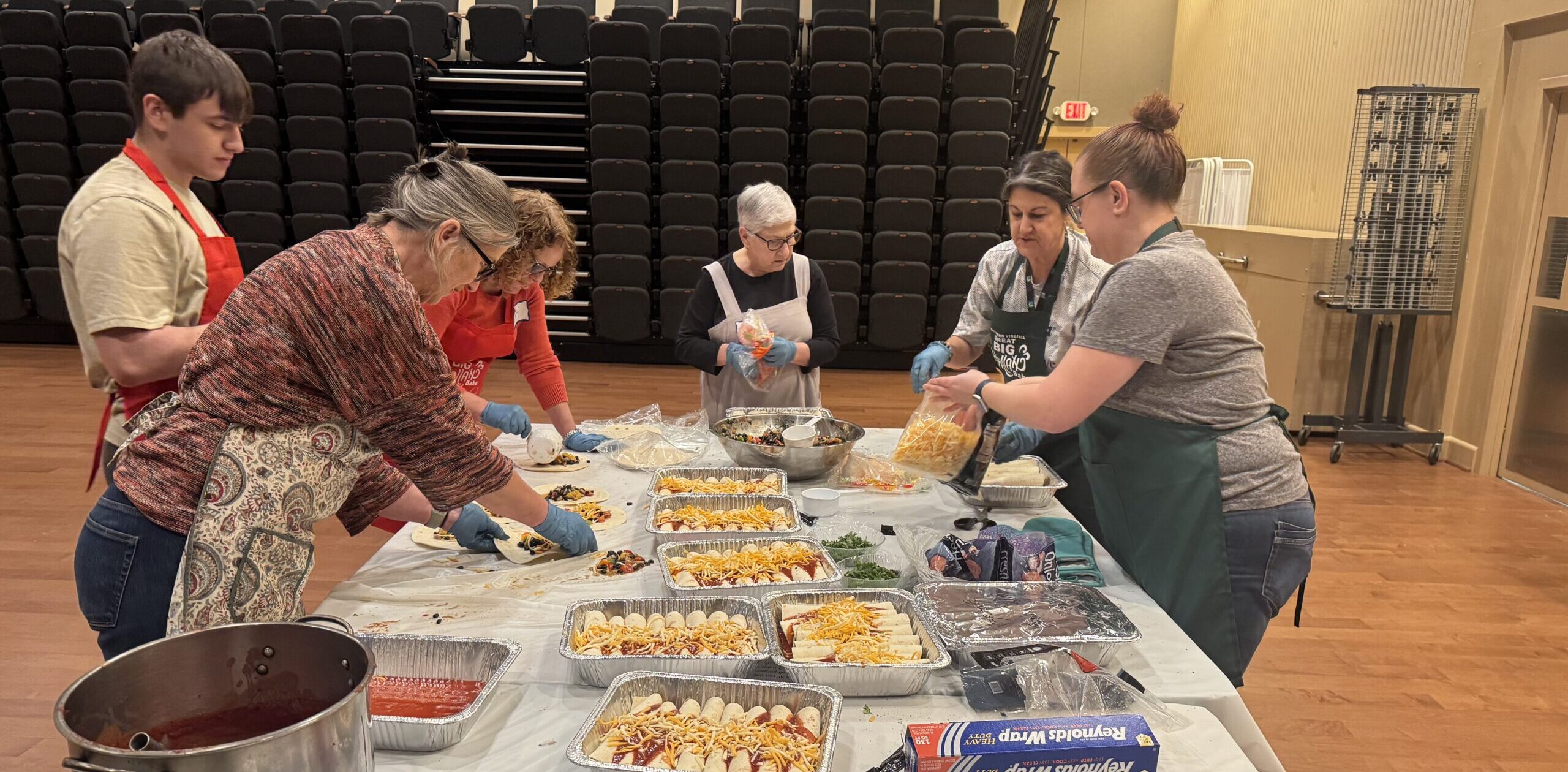
The JCC was responsible for two full days of meals, serving, and entertainment. For the first time, the J organized two “Gather and Give Communal Cooking Events” to prepare lunch sandwiches and a complete dinner meal. Both mornings, volunteers came to the church to serve a hot breakfast of pancakes and sent guests out for the day with a brown bag lunch. Additional volunteers provided delicious desserts and served dinner each evening to grateful guests. 

Guests were entertained by a bingo game called by Olam Tikvah volunteers and a concert by Makheylah, the JCC Community Choir. A local hairdresser provided haircuts to the visitors. 

“The team of volunteers are dedicated and enthusiastic and work hard to ensure that the guests are well taken care of and…that the logistics go smoothly,” one volunteer told me.  “The guests enjoyed bingo with some assisting others for whom English was not their first language. I thoroughly enjoy helping with this project and intend to continue in the foreseeable future.” 

More than 90 volunteers spent 563 hours making Hypothermia Prevention Week possible. The cost to rent the hall and provide food, gift cards, and supplies totaled close to $15,000. It truly takes a village to have a successful Hypothermia Prevention Week. 

So where do the grocery bags come in? One of the WSIG’s ongoing projects is making “plarn” (plastic yarn) bedrolls for members of the unhoused community. Each 6-foot bedroll (ie, a sleeping mat) is made from 700 grocery store bags. It is a perfect example of bettering the environment by repurposing these bags into lightweight cushions for people living outdoors. A volunteer delivers these crocheted mats to members of the unhoused community, one at a time, as they are completed.   

What a great village we are privileged to be part of, helping so many people in need. If you’d like to support the Pozez JCC’s social action efforts, you can do so in several ways. 

  • Attend the Women’s Social Impact Group’s monthly meetings and get involved with its community service projects. Turn your passion into purpose. 
  • Volunteer to make bedrolls for our unhoused neighbors – no experience needed. 

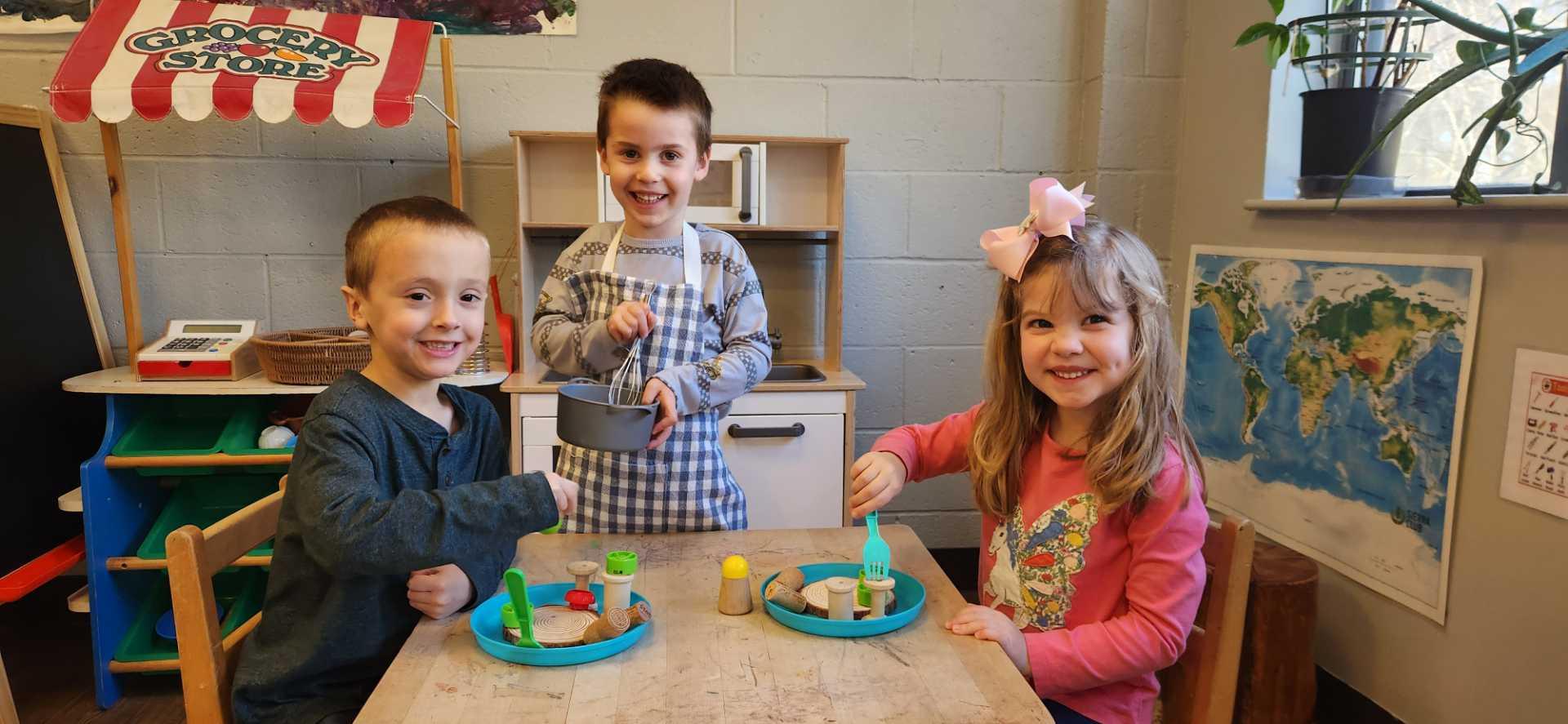
Reasons to Love the Early Childhood Learning Center

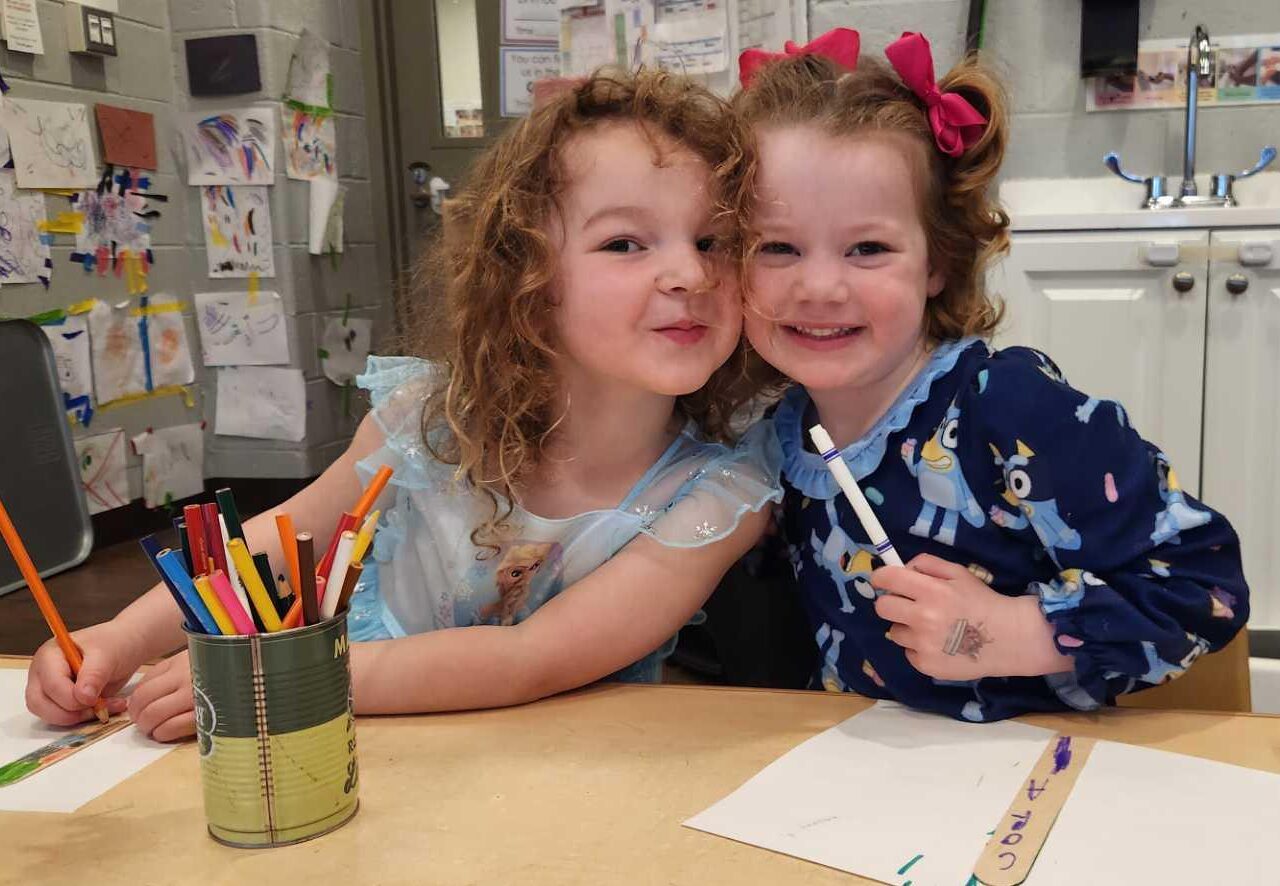
Since moving to Northern Virginia nearly 10 years ago, I’ve experienced the Early Childhood Learning Center (ECLC) through many lenses: first as a parent, then as an educator, and now as an administrator. Each role has deepened my appreciation for this community. People often ask why my three children and even my husband love being part of the ECLC family. What makes this place so special?

The moment I first walked through the ECLC doors in 2017 – as a parent searching for a preschool for our now 11‑year‑old son – I knew this was the right place for my child. As an early childhood educator, I immediately noticed the thoughtful environment and the time and intention given to documenting children’s daily learning. It was visible in every corner of the building.

Shortly after enrolling my older son, I applied for a teaching position and was hired as an infant educator. I appreciated the many opportunities to grow professionally within such a supportive, collaborative community. 

As an educator, I loved to witness the children’s daily learning and growth in my classroom. The ECLC is a space that allows children to express themselves through open-ended learning using the diverse perspectives from the children as well as the educators within the classroom. ECLC educators create “provocations” that occur daily as activities to spark the observations and ideas that are coming from the children. 

We share these observations and learnings with our families through “storyboards.” Storyboards combine photos, videos and anecdotes to create a snapshot of what occurs daily in the classroom. As a parent, I enjoyed reading these stories in the evening with my child as it was a way to connect to what he’d done during the school day. I saw how within the ECLC, partnerships between educators and families came naturally as we shared connections through these storyboards. 

My husband and I also cherished the way our son came home from the ECLC overflowing with stories about how he spent his day exploring the outdoor classroom, celebrating Jewish holidays, dressing up, building structures, and, most importantly, simply being himself. My husband was thrilled when teachers invited him to share his expertise in and love for astronomy with our children’s classes. 

Years later, we are still a proud ECLC family, and we continue to feel at home within the ECLC community. Our twins, who started the program at just five months old, are now completing their final year at the ECLC. It’s remarkable seeing how much they’ve grown during their time at the ECLC. 

ECLC has shaped our family’s journey in countless ways, and we are grateful to be part of a place where children, educators, and families can flourish together.

But don’t just take our word for it. When asked why they love the ECLC, here is what the children in our 3’s and 4’s classes answer: 

  • “The Lego wall” 
  • “Playing with my friends” 
  • “Place to play games” 
  • “Making things for my friends” 
  • “Riding bikes in the gym”
  • “Building jet skis and airplanes (out of mini Legos)” 
  • “Spaces to draw with my friends” 
  • “Nap time” 
  • “Lunch time because I get really hungry at school”
  • “Shabbat”
  • “We can explore that further during provocation time” 

Registration is now open for the ECLC. Learn more and register on our website. You can also support early childhood education with your donation to the Pozez JCC.

What I Notice When Nothing Needs Fixing: A Camp Achva Inclusion Story

Thursday at 2 PM is an ordinary time at camp, which is exactly why I pay attention to it. Most of camp is movement and noise and momentum. The middle of the day is where things either quietly work or quietly come undone. A time when I can see if our inclusion efforts are working or not. 

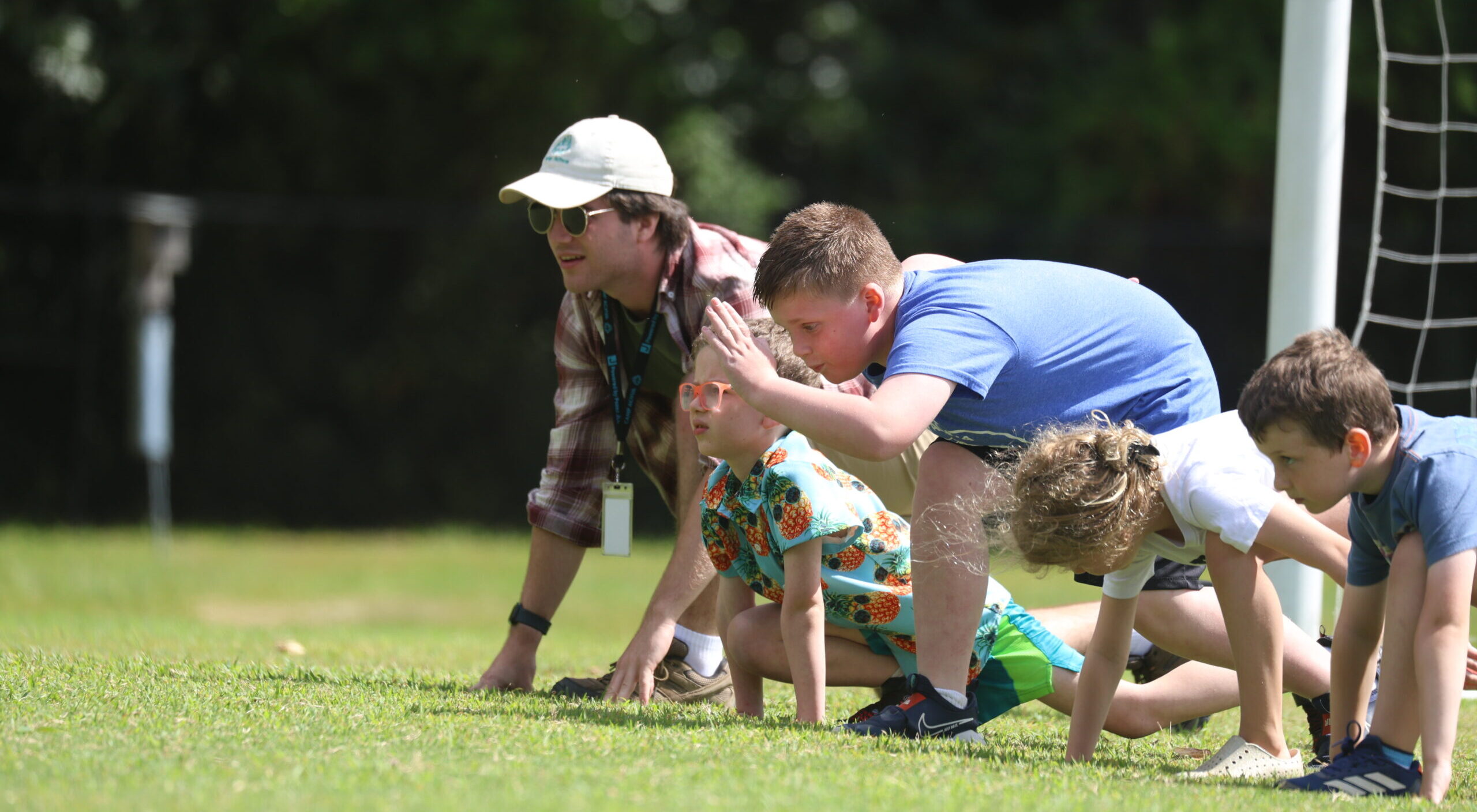
This particular Thursday, I sat by the soccer field behind Gesher, watching a group of campers get ready to play. All was quiet, but my senses were heightened. 

I expected this to be the moment when opting out happened. 

Not dramatically. Just the way it usually does. A child drifting away from the activity. Standing off to the side. Not complaining, but not engaging, either. It’s at these times when staff energy splits, attention fractures, and something small gets carried for the rest of the day. 

It didn’t happen. 

The sports specialist explained the game the way they always do. Rules first. Then roles: players, referees, scorekeepers, ballhandlers. Same voice. Same weight. No explanation for why there were options. No emphasis on specific roles. 

I noticed the pause when the kids looked around before choosing. That moment matters. It tells you whether choice is real or performative. 

One child surprised me. I expected them to opt out entirely. Instead, they chose referee. 

They didn’t know the rules of soccer, and that was fine. Knowing the rules isn’t actually the requirement of our camper referees. They’re there with the specialist to help keep things fair. They’re there to support sportsmanship. I knew they could do that part well. What caught me was more than the choice itself. It was what happened over time. 

The child shifted roles as the game went on. Referee for a while. Then goalie. Then cheering while drinking water on the sidelines. Then back again to referee. When the teams became uneven, I watched staff compensate without making it a big deal. When someone who had opted out earlier drifted back onto the field, no one narrated it. The group adjusted. The game continued. Just as it was supposed to. 

What would have felt off to me was emphasis in the wrong place. Too much attention on the rules. Too much cheerleading for opting out. Language that tried to manufacture meaning from actions. Those things didn’t happen either. 

What I was watching wasn’t about a particular child or a particular need. It was about how the camp environment had been designed so that difference didn’t require explanation in the first place. 

This kind of moment doesn’t come from instinct alone. It comes from years of training. From practice. From feedback from parents, campers, and staff. From slowly releasing the assumption that there is one correct way for a child to show up to an activity. 

When you let go of that assumption, something else happens, too. 

Staff are released from the belief that if a child doesn’t participate in a normalized way, they’ve failed. Kids are released from the sense that if they interact with the activity on a different level, they’ve failed. The work becomes less about coercing engagement and more about holding the group together. 

For me, if the entire group had decided they didn’t want to play soccer and wanted to play tag instead, and everyone could be part of that, that would have been fine. What matters isn’t the activity. It’s the collective decision, and the multiple ways to belong inside it.  

In that moment, I felt proud. Proud of the staff. Proud of the kids. Proud of the camp. Proud that this moment was so routine no one else stopped to notice it. Proud that it didn’t feel fragile. Proud that I work in a place, the Pozez JCC of Northern Virginia, that supports building inclusive conditions like this and understands what it takes to sustain them. 

I couldn’t stay for the whole block. But I sat long enough to know that what I was watching didn’t need fixing.  

This is what inclusion looks like at Camp Achva day to day. Not as a program, but as a practice. It depends on choices that aren’t always visible. On staffing ratios that allow adults to watch instead of manage. On having enough people in the room that no one has to disappear for the group to function.  

When those conditions are in place, moments like that Thursday at camp feel ordinary.  

When they aren’t, moments like that don’t happen at all.