

What I Notice When Nothing Needs Fixing: A Camp Achva Inclusion Story
Thursday at 2 PM is an ordinary time at camp, which is exactly why I pay attention to it. Most of camp is movement and noise and momentum. The middle of the day is where things either quietly work or quietly come undone. A time when I can see if our inclusion efforts are working or not.
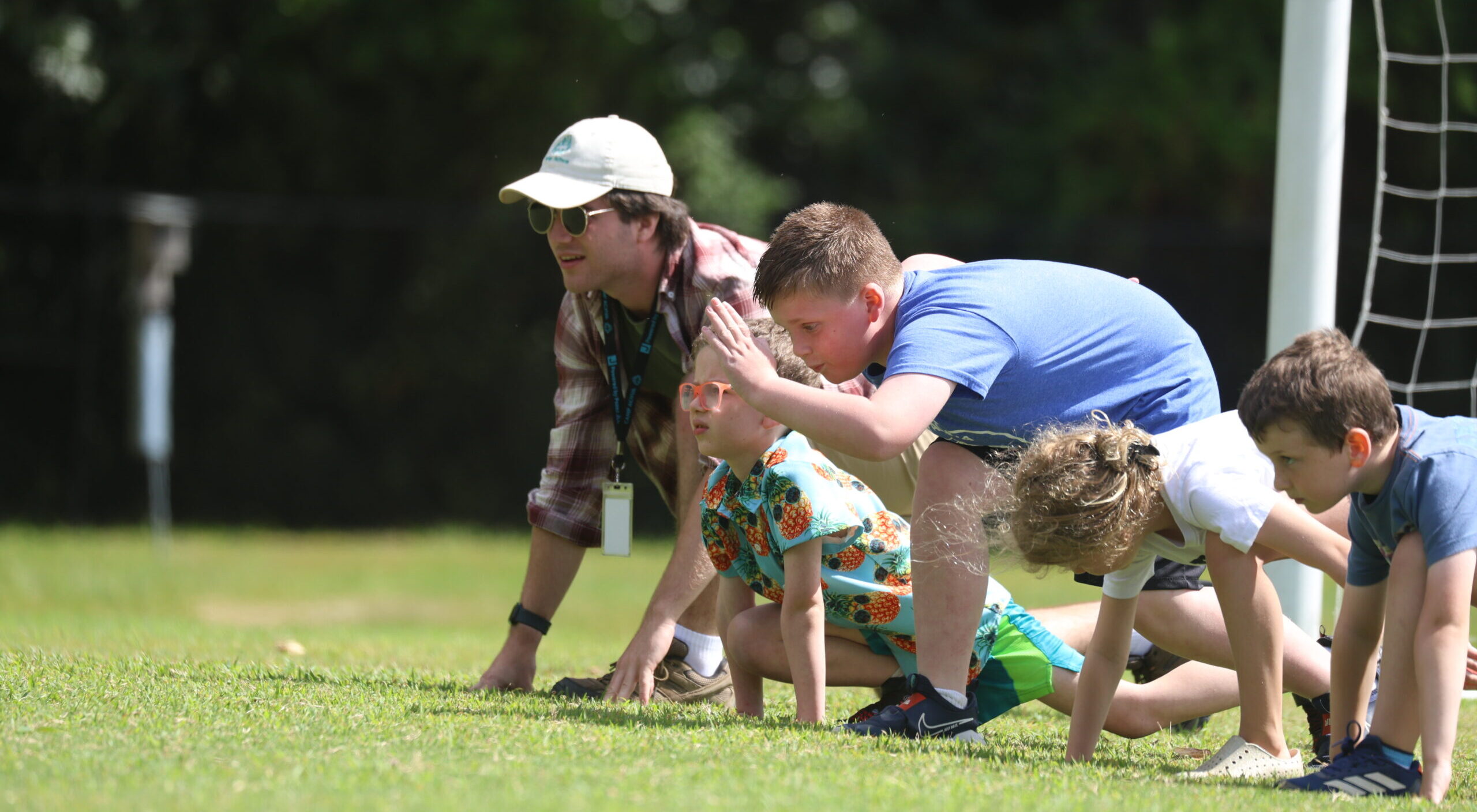
This particular Thursday, I sat by the soccer field behind Gesher, watching a group of campers get ready to play. All was quiet, but my senses were heightened.
I expected this to be the moment when opting out happened.
Not dramatically. Just the way it usually does. A child drifting away from the activity. Standing off to the side. Not complaining, but not engaging, either. It’s at these times when staff energy splits, attention fractures, and something small gets carried for the rest of the day.
It didn’t happen.
The sports specialist explained the game the way they always do. Rules first. Then roles: players, referees, scorekeepers, ballhandlers. Same voice. Same weight. No explanation for why there were options. No emphasis on specific roles.
I noticed the pause when the kids looked around before choosing. That moment matters. It tells you whether choice is real or performative.
One child surprised me. I expected them to opt out entirely. Instead, they chose referee.
They didn’t know the rules of soccer, and that was fine. Knowing the rules isn’t actually the requirement of our camper referees. They’re there with the specialist to help keep things fair. They’re there to support sportsmanship. I knew they could do that part well. What caught me was more than the choice itself. It was what happened over time.
The child shifted roles as the game went on. Referee for a while. Then goalie. Then cheering while drinking water on the sidelines. Then back again to referee. When the teams became uneven, I watched staff compensate without making it a big deal. When someone who had opted out earlier drifted back onto the field, no one narrated it. The group adjusted. The game continued. Just as it was supposed to.
What would have felt off to me was emphasis in the wrong place. Too much attention on the rules. Too much cheerleading for opting out. Language that tried to manufacture meaning from actions. Those things didn’t happen either.
What I was watching wasn’t about a particular child or a particular need. It was about how the camp environment had been designed so that difference didn’t require explanation in the first place.
This kind of moment doesn’t come from instinct alone. It comes from years of training. From practice. From feedback from parents, campers, and staff. From slowly releasing the assumption that there is one correct way for a child to show up to an activity.
When you let go of that assumption, something else happens, too.
Staff are released from the belief that if a child doesn’t participate in a normalized way, they’ve failed. Kids are released from the sense that if they interact with the activity on a different level, they’ve failed. The work becomes less about coercing engagement and more about holding the group together.
For me, if the entire group had decided they didn’t want to play soccer and wanted to play tag instead, and everyone could be part of that, that would have been fine. What matters isn’t the activity. It’s the collective decision, and the multiple ways to belong inside it.
In that moment, I felt proud. Proud of the staff. Proud of the kids. Proud of the camp. Proud that this moment was so routine no one else stopped to notice it. Proud that it didn’t feel fragile. Proud that I work in a place, the Pozez JCC of Northern Virginia, that supports building inclusive conditions like this and understands what it takes to sustain them.
I couldn’t stay for the whole block. But I sat long enough to know that what I was watching didn’t need fixing.
This is what inclusion looks like at Camp Achva day to day. Not as a program, but as a practice. It depends on choices that aren’t always visible. On staffing ratios that allow adults to watch instead of manage. On having enough people in the room that no one has to disappear for the group to function.
When those conditions are in place, moments like that Thursday at camp feel ordinary.
When they aren’t, moments like that don’t happen at all.