Join the J in June to receive $109 off enrollment fee! Learn More.

5 Ways Pozez JCC Supports Jewish Disability Awareness and Inclusion

February is Jewish Disability Awareness and Inclusion Month (JDAIM), a time to celebrate differences, amplify voices, and reaffirm our commitment to building a community where everyone belongs. At the J, inclusion is woven into every season of the year, from winter fundraisers to summer camp to year-round social and educational programs.

“Everyone brings their own unique self to come together and make all that we do so special, and to foster a sense of pride in who they are,” says Alison Pasternak, the Inclusion and Disability Program Coordinator at Pozez JCC. “Our inclusion programs are a place where people come to find acceptance, community, friendship, and fun.”

In honor of JDAIM, we’re spotlighting five standout programs the J runs to support people with disabilities in February and beyond. 

1. ReelAbilities Film Festival: Building Bridges Through Storytelling

Each winter, the ReelAbilities Film Festival: Greater Washington, powered by Pozez JCC, uses film and art to raise awareness and celebrate people with disabilities. This year, the film festival is running from Jan. 25 through March 8, with screenings and events across Virginia, Maryland, and Washington, D.C.

ReelAbilities showcases the full range of talent and lived experience within the disability community, pairing award-winning films with interactive programming. Each year during the festival, the J displays the work of an artist with disabilities in the Bodzin Art Gallery.

“The festival connects people who might not otherwise interact with different parts of the disability community,” Alison says. “It really builds a bridge and allows those interactions to occur.”

Through powerful storytelling, ReelAbilities invites audiences to see disability not as a limitation, but as part of the diverse fabric of our community.

2. Going Places!: Building Friendships Through Shared Experiences

Going Places! is a monthly social club that brings neurodiverse teens and adults together to create memories with people with similar lived experiences. 

Going Places! is a safe haven for me from the dismissive outside world,” says Julia Cooper, who has been a participant for over 10 years. “I’ve gained lots of lasting friendships in this group, and I get excited to hang out with people who understand life with different abilities.”

Through chocolate tastings, theater shows, and other outings, the program is creating lifelong friendships, Alison added. It provides the space for these teens and adults to explore new places and have novel experiences in a supported, welcoming environment.

“Participants come back again and again,” she says. “They’ve made real friendships and keep in touch outside of Going Places! It’s difficult making long-term friendships as an adult, especially as an adult with disabilities. We give them a space to find their people.”

3. Camp Kesher: Summer, Friendship, and Independence

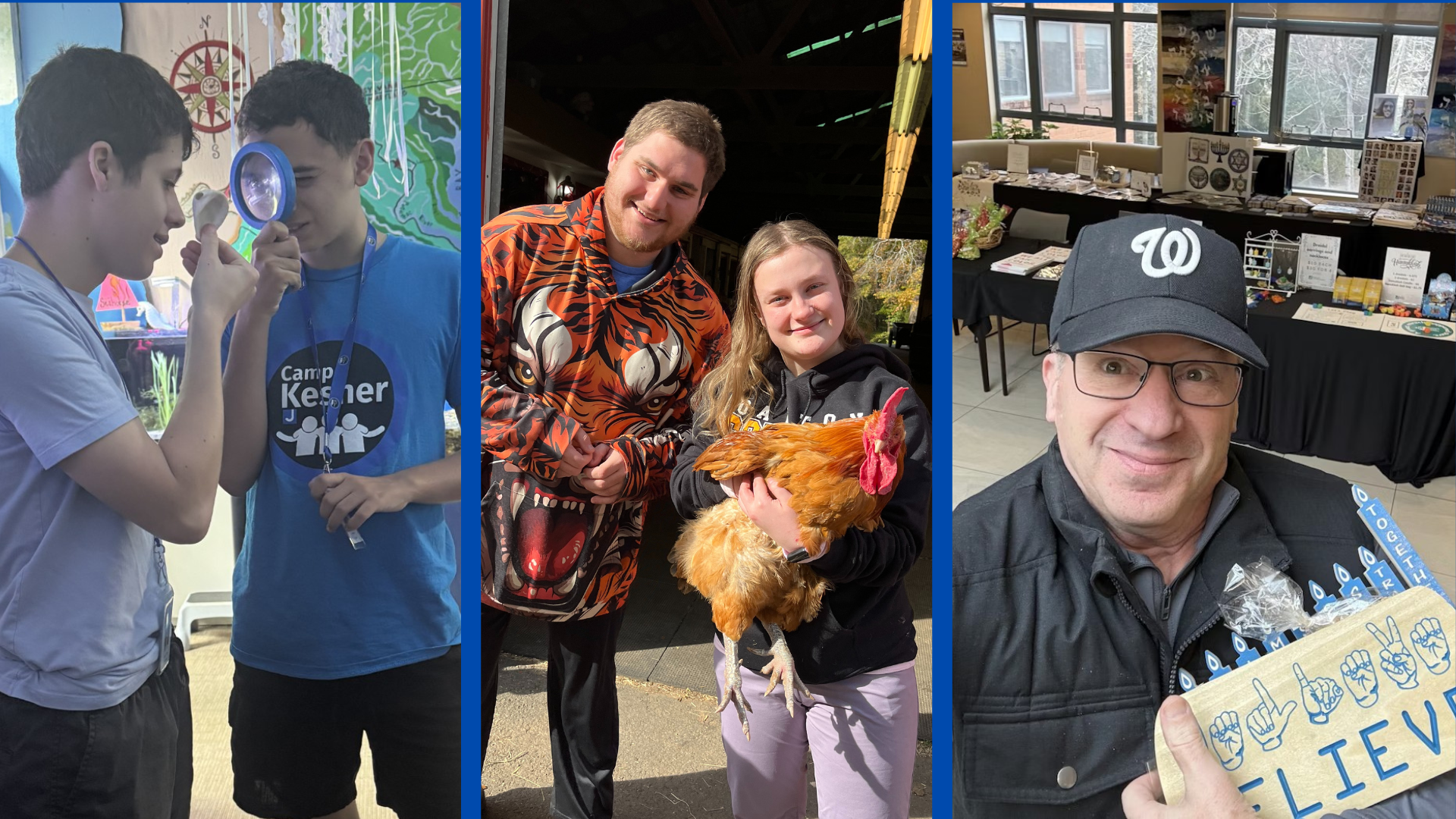
Camp Kesher is a summer day camp for neurodiverse high schoolers, recent graduates, and young adults ages 19-27. Over four weeks — two for teens and two for young adults — campers explore Greater DC through daily field trips, lunches out, and activities that build confidence and independence.

Susan Clay, whose daughter Sara attends the young adult session, calls it a life-changing experience.

“We plan our whole year around it,” she says. “At this age, young adults with disabilities still want to be active and make friends. Without Kesher, those opportunities just don’t exist.”

Alison describes Camp Kesher as a safe, joyful space.

“Campers get to just have fun,” she says. “They learn real-life skills like ordering food at restaurants, but they’re also laughing, exploring, and being themselves. They deserve that.”

4. Social Skills Classes: Laying the Foundation Early

Social Skills Classes at the J support preschool and school-aged children with Level 1 Autism, ADHD, developmental delays, and related social communication challenges. These classes focus on practicing interaction, communication, and friendship-building in a supportive environment.

Mark Shaffer, now 16, started social skills classes at age 9.

“I needed help socializing, making new friends, and maintaining relationships,” Mark says. “In the classes, I learned about my emotions and what calms me down when I’m upset. I always look forward to playing games and going on fun field trips.”

Alison adds that it’s especially rewarding to see participants grow over time, with many transitioning from social skills classes into programs like Going Places! or Camp Kesher.

5. Holiday Bazaar: Celebrating Talent and Creativity

Each winter, the Pozez JCC Holiday Bazaar showcases the artistic talents of individuals with disabilities and/or mental illnesses while raising funds for Inclusion and Disability Services. Local vendors sell handmade baked goods, jewelry, photography, artwork, and more, making it easy to shop with purpose.

“It felt exciting to be part of a community event and see how people responded to my work,” says Hina Sehgal, who sold her handmade jewelry for the first time at last year’s Bazaar. “People kept stopping by my table to compliment my work and ask questions. That made me feel really proud and confident as a creator.”

Another participant, Miles Sanford, has been selling stickers, art prints, cards, and small clay trinkets at the Bazaar since 2018.

“Art is my special interest and a way to communicate with the world when I have trouble communicating,” Miles says. “I’ve met amazing artists that share the same interests as me, and it feels easy talking to people at the Bazaar.”

In addition to raising funds, the Bazaar invites the broader community to view disabilities not as limitations, but as sources of unique perspectives and creative expressions.

How You Can Support Disability Programming at the J

This JDAIM, and all year long, the J remains committed to inclusion, belonging, and meaningful connection. No matter the season, there’s a place for everyone here.

You can support this work by showing up to inclusive community events like the Holiday Bazaar and ReelAbilities, making a gift to initiatives like Going Places! and Camp Kesher, and spreading the word that the J is a welcoming resource for children and young adults looking to connect, socialize, and be valued for who they are.
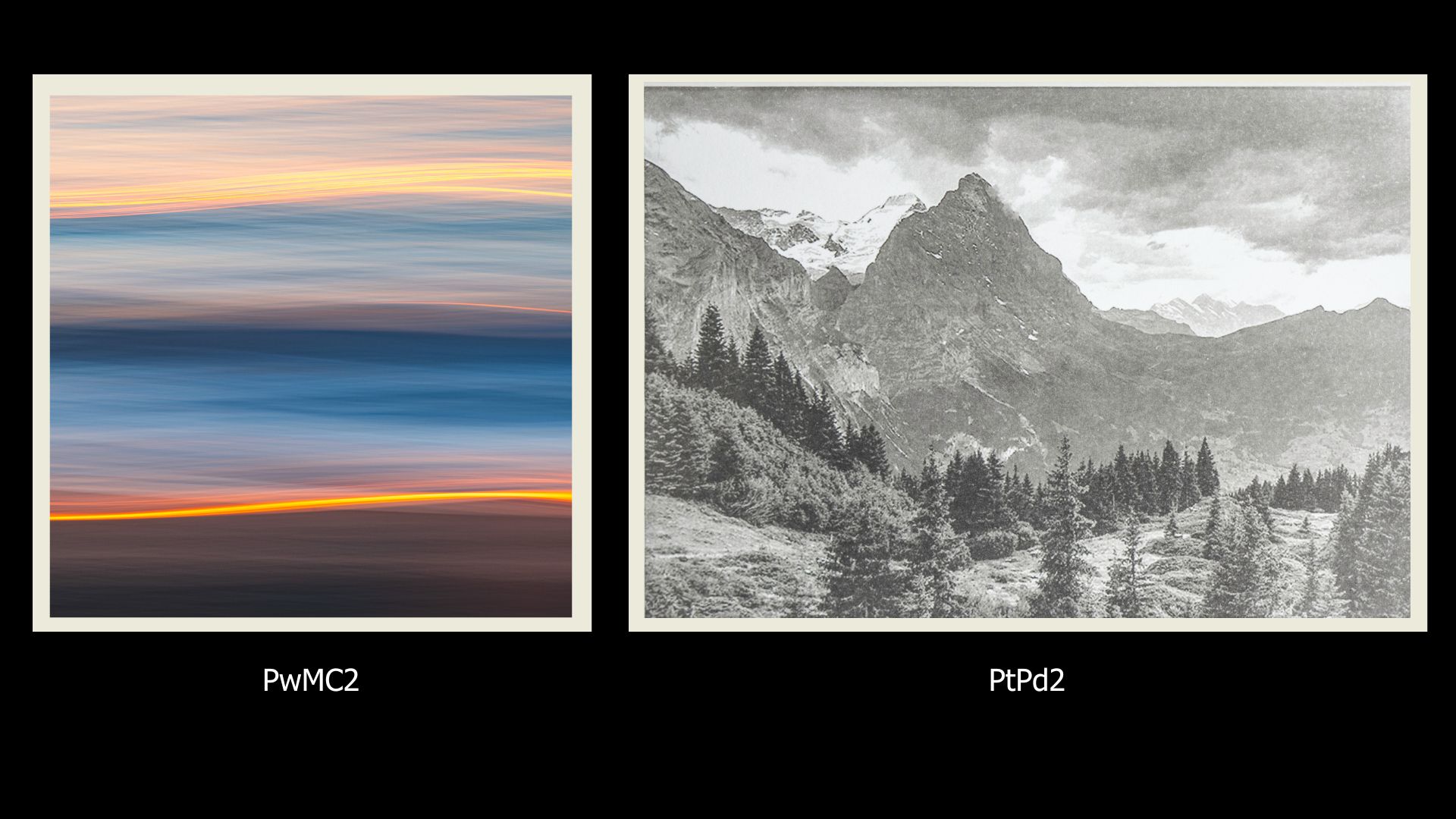
In Conversation with the Curator: Photographer and Autoimmune Disease Research Scientist, Matt Makara

WANDER 
Photography by Matt Makara  
In the Bodzin Art Gallery: February 3 – March 9, 2026 

I was introduced to Matt Makara because my friend bought one of his photographs at the Workhouse Arts Center’s Arches Gallery when she came to visit me. (I’m also the curator there.) For her, Matt’s work evoked a sense of calm she wanted to introduce into her home space.  After getting to know Matt, I realized that that sense of calm is part of who he is. Like many artists and scientists, his demeanor and ethos are apparent in the work he does. 

Aside from being a talented photographer, Matt also holds a master’s degree in public health. He has worked for and consulted with nonprofits and federal agencies on initiatives to educate and engage stakeholders on health-related issues.  

Matt was diagnosed with an invisible autoimmune illness and has found that the arts have helped him process his diagnosis and make the necessary physical and mental adjustments required to live with his symptoms.   

Here’s what Matt has to say about his artistic influences and how he balances his photography practice with his autoimmune disease. 

How did you get your start as a photographer, and what keeps you going? 

My interest in photography began in tandem with traveling. I wanted to capture the places I was visiting.  

I’m mostly self-taught. My approach began with a point-and-shoot camera in automatic mode and the mindset that taking more pictures is better. It has evolved into traveling with photography as a main purpose and a more refined and intentional approach to the images I make. Photography has been a primary interest of mine since around 2019, which also coincided with making changes in my life due to emerging health concerns. 

I’m primarily a nature photographer. A sense of exploration and an enjoyment of being outside play a large role in keeping me going. There are endless places to explore, and the scenery can change day to day. I hope that the images I make encourage other people to explore and conserve the outdoors as well. 

You make digital photos, but you’re also into the pre-digital processes such as wet plate collodion, platinum and palladium, cyanotype, oil, gum bichromate, salt, and dry plates, and you have a collection of antique cameras. How easy is it to access these art forms in 2026, and what can you share about using analog equipment in a heavily digital age? 

When I started focusing more on photography, I quickly became interested in learning about the evolution of the art. After a brief foray into film and large format photography, I went even further back and started learning about the handmade photographic processes. For me, this was mainly platinum and palladium and cyanotype. I was fortunate to find classes in the region and really like that there is ample room for creativity in the processes to make unique pieces.  

There has been a bit of a resurgence in film photography over the past few years, and it is quite accessible. There are niche offerings for some of these other processes and a small but growing community of practitioners. 

As for the antique cameras and equipment, I’ve always been a collector of sorts. It’s been really fun learning about, and obtaining, cameras that were used at various points in history. I enjoy thinking about all the images that they may have made and the people that may have used them.  

I have cameras and lenses dating as far back as the 1850s, and I always have my eye out for new and unique things. It’s hard to pick favorites, but one is a piece known as a multiplying camera from the late 1800s that was originally used to make up to 27 small images on a 5×7 tintype.  

Using the old equipment also helps you appreciate the efforts that previous generations had to go through, the knowledge they had to have, and the ingenuity they needed to create their images. Furthermore, since all of the old equipment is manually operated, working with it helped to facilitate my use of digital equipment in manual modes, as well. 

A Gym Unlike Any Other

Aqua fitness instructor Tracy Rettie has worked in a lot of gyms, and she says none are as personal and friendly as the J-Fit Health Club. 

“At a lot of the larger gyms, you take classes, and you never see the same people,” she says. “At the J, people are very open to interacting and talking to each other.” There’s a sense of community and caring she hasn’t seen in other fitness centers. 

As an instructor, she loves when her clients tell her how much they enjoy her classes and how exercising at the J has changed their lives. Some of them, who have been focused on balance, can now stand on one leg when they put their pants on; others have more endurance for taking walks in their neighborhood. When they come back from the doctor, they report that their blood pressure and other health indicators have improved. She knows how great aqua fitness can be for supporting bone health, but it makes her happy when her clients see tangible results for themselves. 

But what really surprised Tracy about the J is how much its members care about her as a person. When she had to miss classes because of her health, the women from her Aqua Fitness, Morning Plunge, and Aqua Power classes called to check on her and sent cards and gifts. 

“They were so supportive – and I’m just their instructor!” Tracy says. She now returns the favor, texting her regular clients when they don’t show up in class to make sure they’re okay. It’s all part of building community, one interaction at a time. 

Tracy not only teaches classes, but she takes a weekly small group training class with J-Fit trainer, Vince Villanueva. She calls it her “me time” because she’s doing something good for herself. She also admits that having a standing appointment on her calendar helps her stick to her commitment to exercising. 

“I choose to work with Vince because he’s so patient and understanding,” she says. “He’s very flexible in acknowledging my fears and weaknesses and adapting the session to me, but he still pushes me and helps me get through that fear.” She’s a fan of small-group training because it’s less expensive than individual sessions, and participants still get one-on-one attention and personalized coaching.  

She’s often joined in the class by longtime J member Patricia Merhej, and the two have become friends through their shared workouts. Knowing Patricia will be there is an added incentive for Tracy to show up. The class is always more fun when the two can challenge each other and banter while they work out. 

Patricia says that the J is her sanctuary, and it’s where she, too, finds community. She’s also seen the progress her regular workouts have helped her achieve. “When I started at the J, I had low confidence in taking some of the classes and using some of the gym equipment,” she said. But with the support of the J-Fit staff and members, she is comfortable trying new classes, such as boxing – and perhaps someday aqua fitness with Tracy! 

If you’ve been enjoying the J-Fit Health Club’s unique community, but want to take your workout to the next level, January is a great time to take advantage of discounts on individual and group training. And, if you have a friend who hasn’t joined the J yet, the January membership special combines a discounted enrollment fee with three free personal training sessions. 

Feeling hesitant? Swing by the pool for one of Tracy’s classes – she’ll convince you that investing in a trainer is a smart choice for a healthy new year. 

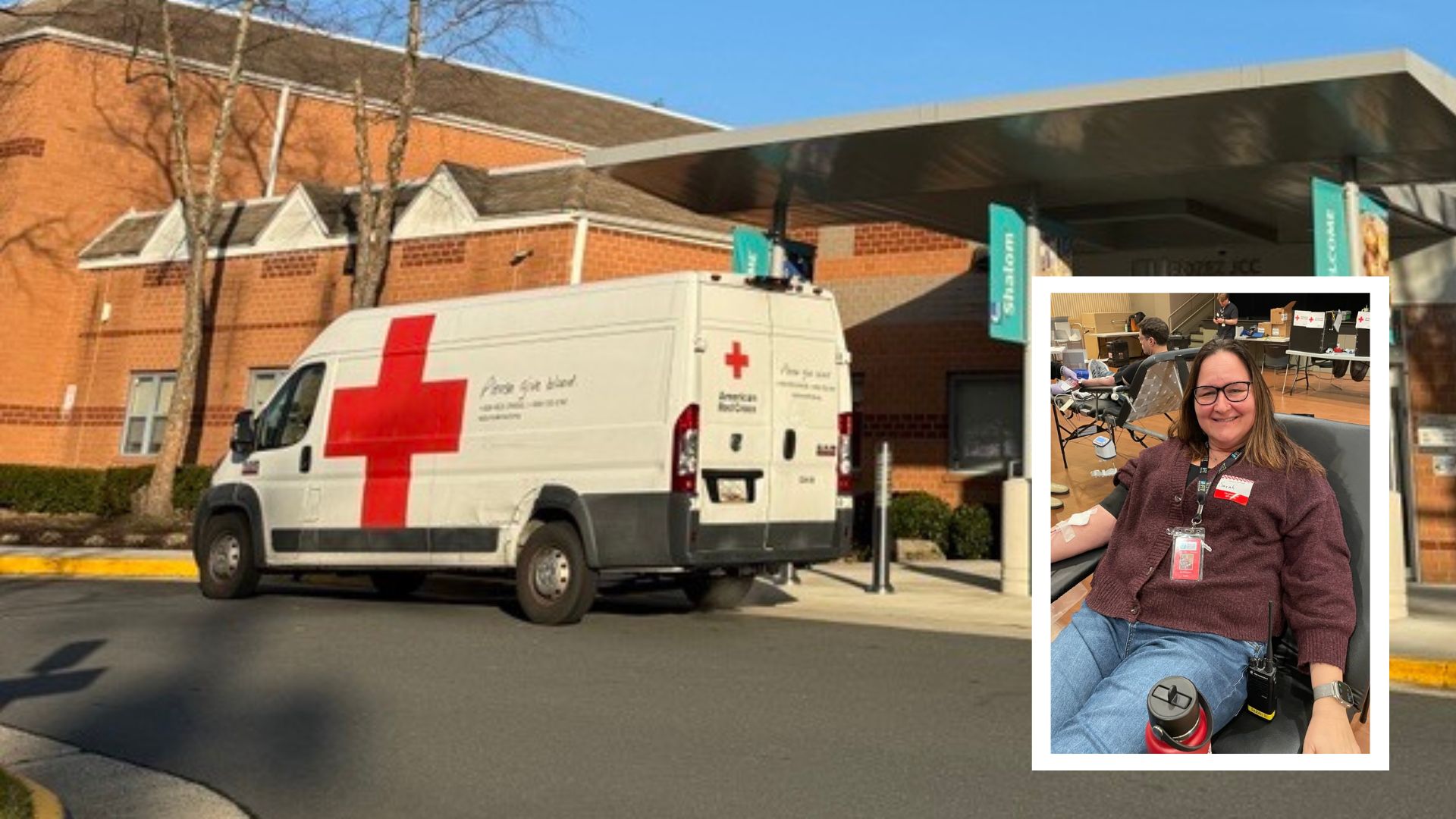
Giving Blood, Saving Lives: A Community Act Rooted in Jewish Values

Every day, hospitals rely on donated blood to save lives — during surgeries, after accidents, and for patients battling acute and chronic illnesses. While the act of donating blood takes less than an hour, its impact can last a lifetime. When members of a community come together to donate blood, they strengthen not only the healthcare system but also the bonds that hold the community itself together. 

In Jewish tradition, this simple yet powerful act of giving resonates deeply with our most cherished values. At the heart of Jewish ethics is pikuach nefesh or saving a life. The Mishnah teaches, “Whoever saves a single life is considered as if they saved an entire world.”  

Blood donation embodies this teaching in the most literal way. One donation can save up to three lives, transforming an ordinary day into an extraordinary mitzvah. 

Judaism also places great emphasis on chesed or acts of lovingkindness performed without expectation of reward. Blood donation is a pure expression of chesed. Donors rarely meet the recipients of their donation, yet they give freely, motivated by compassion and responsibility for others. This quiet generosity strengthens trust within a community and reminds us that kindness does not always need to be visible to be meaningful. 

Beyond saving lives, blood drives bring people together around a shared purpose. They foster empathy, civic engagement, and awareness of communal needs. Children who see adults donating blood learn powerful lessons about responsibility, courage, and care for others—values that carry forward for generations. 

Donating blood is not dramatic or loud, yet it is profoundly sacred. It reflects the Jewish belief that holiness is found in everyday actions and that each person has the power to make the world better. 

When we roll up our sleeves to donate blood, we live our values. We choose life. We choose kindness. And we strengthen the fabric of our community—one donation at a time. 

Help us exceed our annual site record of 133 units collected by signing up for one or more of our 2026 blood drives in partnership with the American Red Cross: February 27, May 15, August 14, and December 18.  

Sign up here

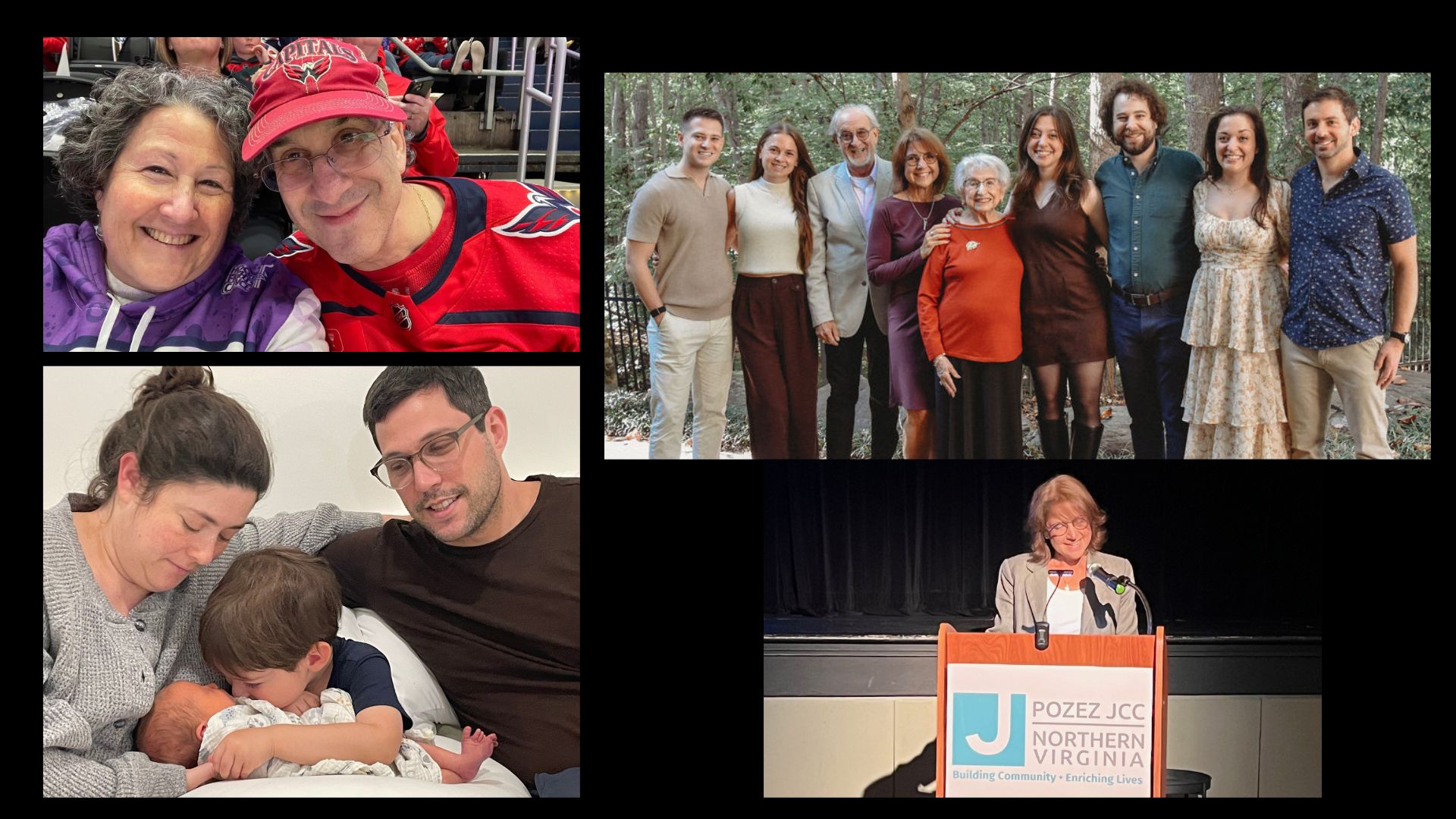
L’Dor V’Dor: How the J Shapes Lives Across Generations

The Pozez JCC of Northern Virginia is the kind of place where time folds in on itself. Where past, present, and future share rooms and hallways. Where belonging can and does stretch across decades and generations. Where preschoolers play with blocks and seniors play card games, all in a shared space.

For some families, the J is part of their story.

It certainly is for the Chabrows.

When Andrea Chabrow walked into the J’s old building as a young adult who was new to the area, she wasn’t looking for a legacy. She’d moved to Virginia for a teaching job and was already thinking about returning to New Jersey. A friend suggested she check out the J’s young adult programs to feel a little more at home.

What she didn’t expect was Michael. She met him in the J’s summer volleyball league, and at first, she wasn’t that impressed.

“He wasn’t really my type, but I had a friend who was interested in him, so of course that made me interested, too,” she remembers.

But then came the dinner with friends, the unexpected warmth, and the moment he showed up at her door helping her move on a rainy day, carrying flowers so drenched that all their petals had fallen off. Something shifted. And from that shift grew a marriage, a family, and a story that would eventually return to the J again and again.

Decades later, their son Bryan found his way back to Northern Virginia after years in Los Angeles. With his wife Sarah and their children Levi, 4, and Olive, 6 months, he returned seeking something familiar — family support, more space, and a sense of community.

They toured a number of preschools, but the J stood out. Levi was already used to a JCC preschool in Los Angeles, and when they walked into the Early Childhood Learning Center (ECLC) in Fairfax, something clicked.

“We really wanted a place with community,” Bryan says. “Somewhere people actually get to know each other.”

Now Levi is thriving there, and Bryan finds himself in the fitness center regularly, learning to work out in a space that feels welcoming rather than intimidating. The J, once the setting of his parents’ love story, has become the place where he builds new memories with his own children.

“It’s nice that it’s a place that has special memories for my parents and that will also have special memories for Levi,” he notes.

The Adler family’s story stretches even further back, woven tightly into the very origins of the J itself.

Laura Adler, today the Pozez JCC’s Senior Director of Marketing and Communications, grew up watching the J evolve because her parents, Dotty and Al Fuchsman, were among those who helped create it. In the early years, her father served on the board, her mother worked on the staff fundraising to make the building possible, and they both worked on various committees for decades.

“I remember licking envelopes at the J’s office on Dorr Avenue and helping with mailings as a kid,” she recalls. “It’s always felt natural to me to be involved with the J and to help build the Jewish community in Northern Virginia.”

Her brother, Michael, was among the first to go to Camp Achva in 1969, back when the camp had only a handful of kids. Laura and her older brother eventually became campers too, and then all three were counselors. It felt like a natural progression when she joined the J’s board as an adult, then joined the staff in 2007.

When Laura and her husband, David, had children, it was important to them that they grew up at the J to feel the same comfort in the Jewish community that they did. The kids attended preschool, participated in after-school programs, spent summers at Camp Achva, and later returned as staff. Until last year, Ilana (now 33) served as the Assistant Director and Family Support Specialist of Pozez JCC’s Sunrise Day Camp.

For Laura, walking into the building feels like stepping into a living scrapbook. She sees the faces of people who are friends of her parents, watched her grow up, and celebrated milestones with her children.

“I feel so at home here, and so does my family. This sense of belonging to this community, the J family, it’s been a constant in our lives.”

What makes the Chabrows’ and the Adlers’ stories remarkable is how seamlessly the J holds these generations together. It’s a place where a preschool class might walk through the lobby on their way to the gym, waving to seniors playing Mah Jongg. Where a young parent can meet new friends who become lifelong companions. Where families who arrived decades apart find themselves connected through shared experiences and shared values.

As Laura puts it, “The J is truly a home for all generations. Through the dedication of our staff and the reach of our programs, we hope that everyone who engages with the J, no matter their age or background, feels welcomed and part of a large, vibrant Jewish family.”

Behind every one of these stories — every wedding that began with a volleyball game, every preschooler’s first challah, every memory made at Camp Achva, every senior who finds connection over coffee — are donors who made it all possible. Their generosity is the quiet engine that keeps the J thriving. They ensure the ECLC can nurture children like Levi, the fitness center can welcome adults like Bryan, and the J can create camps, classes, and celebrations that support families just beginning their Jewish journeys as well as those whose roots stretch back decades.

A gift to the J sustains a community where stories like the Chabrows’ and the Adlers’ can unfold, a community where people of all ages feel welcome, and where legacy shapes the future.