

In Conversation with the Curator: Photographer and Autoimmune Disease Research Scientist, Matt Makara
WANDER
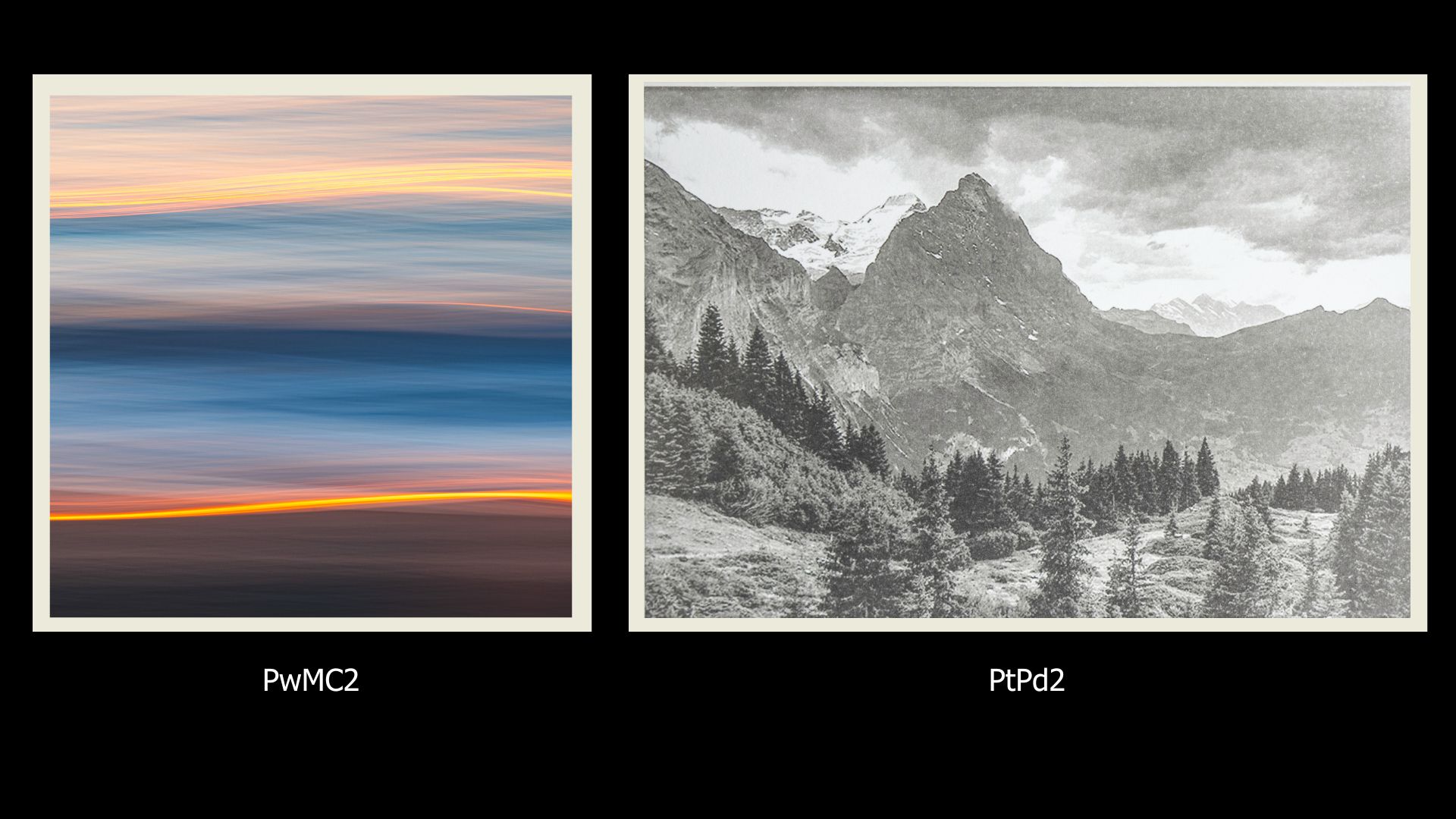
Photography by Matt Makara
In the Bodzin Art Gallery: February 3 – March 9, 2026
I was introduced to Matt Makara because my friend bought one of his photographs at the Workhouse Arts Center’s Arches Gallery when she came to visit me. (I’m also the curator there.) For her, Matt’s work evoked a sense of calm she wanted to introduce into her home space. After getting to know Matt, I realized that that sense of calm is part of who he is. Like many artists and scientists, his demeanor and ethos are apparent in the work he does.
Aside from being a talented photographer, Matt also holds a master’s degree in public health. He has worked for and consulted with nonprofits and federal agencies on initiatives to educate and engage stakeholders on health-related issues.
Matt was diagnosed with an invisible autoimmune illness and has found that the arts have helped him process his diagnosis and make the necessary physical and mental adjustments required to live with his symptoms.
Here’s what Matt has to say about his artistic influences and how he balances his photography practice with his autoimmune disease.
How did you get your start as a photographer, and what keeps you going?
My interest in photography began in tandem with traveling. I wanted to capture the places I was visiting.
I’m mostly self-taught. My approach began with a point-and-shoot camera in automatic mode and the mindset that taking more pictures is better. It has evolved into traveling with photography as a main purpose and a more refined and intentional approach to the images I make. Photography has been a primary interest of mine since around 2019, which also coincided with making changes in my life due to emerging health concerns.
I’m primarily a nature photographer. A sense of exploration and an enjoyment of being outside play a large role in keeping me going. There are endless places to explore, and the scenery can change day to day. I hope that the images I make encourage other people to explore and conserve the outdoors as well.
You make digital photos, but you’re also into the pre-digital processes such as wet plate collodion, platinum and palladium, cyanotype, oil, gum bichromate, salt, and dry plates, and you have a collection of antique cameras. How easy is it to access these art forms in 2026, and what can you share about using analog equipment in a heavily digital age?
When I started focusing more on photography, I quickly became interested in learning about the evolution of the art. After a brief foray into film and large format photography, I went even further back and started learning about the handmade photographic processes. For me, this was mainly platinum and palladium and cyanotype. I was fortunate to find classes in the region and really like that there is ample room for creativity in the processes to make unique pieces.
There has been a bit of a resurgence in film photography over the past few years, and it is quite accessible. There are niche offerings for some of these other processes and a small but growing community of practitioners.
As for the antique cameras and equipment, I’ve always been a collector of sorts. It’s been really fun learning about, and obtaining, cameras that were used at various points in history. I enjoy thinking about all the images that they may have made and the people that may have used them.
I have cameras and lenses dating as far back as the 1850s, and I always have my eye out for new and unique things. It’s hard to pick favorites, but one is a piece known as a multiplying camera from the late 1800s that was originally used to make up to 27 small images on a 5×7 tintype.
Using the old equipment also helps you appreciate the efforts that previous generations had to go through, the knowledge they had to have, and the ingenuity they needed to create their images. Furthermore, since all of the old equipment is manually operated, working with it helped to facilitate my use of digital equipment in manual modes, as well.