Join the J in June to receive $109 off enrollment fee! Learn More.

In Conversation with the Curator: Holly Markhoff, Figurative and Expressive Mixed-Media Artist 

Psalm and Celebration 
by Holly Markhoff 
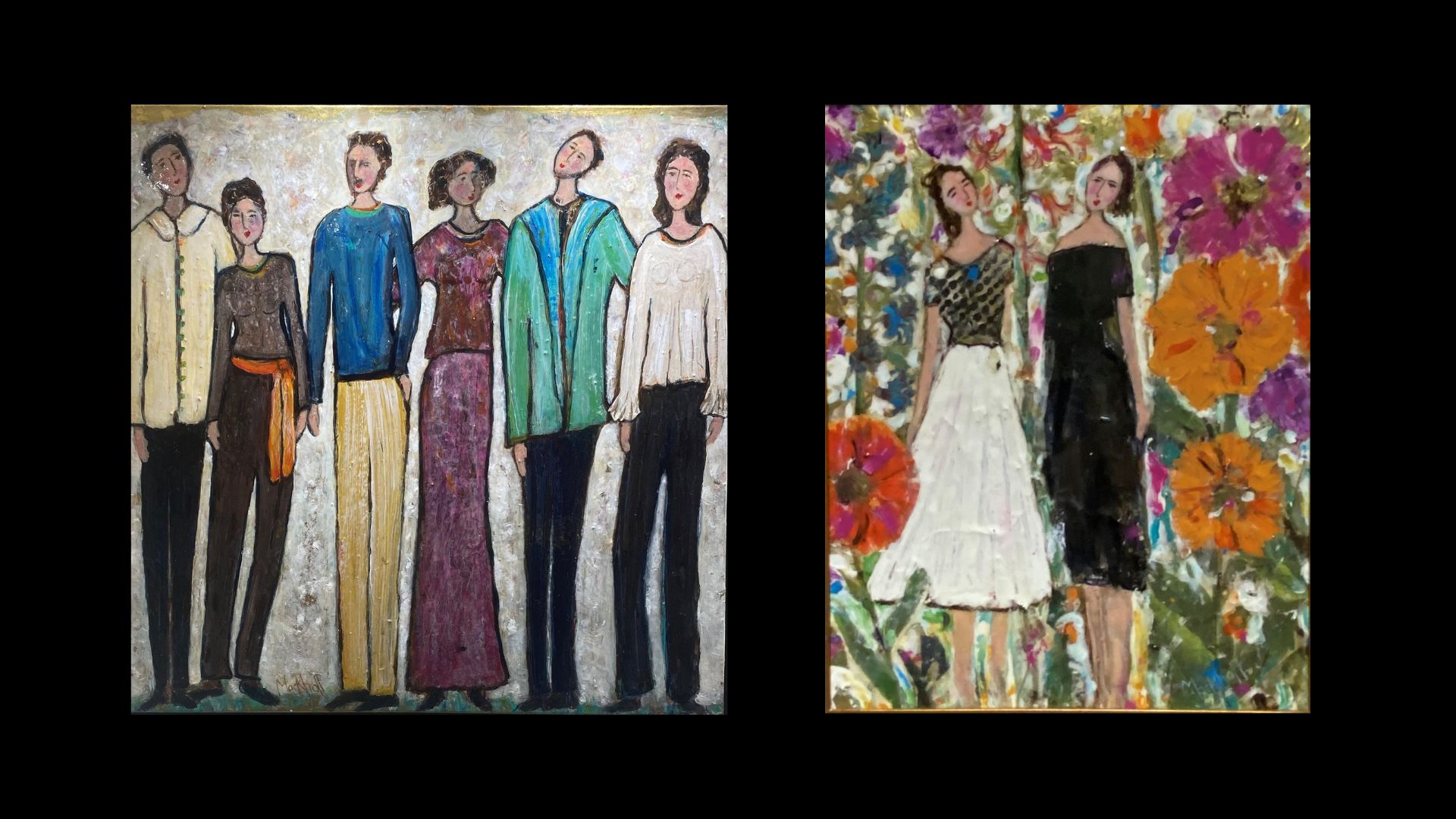
In the Bodzin Art Gallery until June 26, 2026 

Holly Berger Markhoff is a contemporary mixed media artist known for her figurative and expressive paintings.  Her work incorporates sculptural elements as she builds up paint between layers of glaze, creating a glass-like translucence. Holly lives in Richmond, Virginia, and her work can be found in galleries; private, nonprofit, corporate, and museum collections; and staged in the 2021 Hulu mini-series, Dopesick

For several years, Holly was my counterpart at the Sara D. November Gallery at the Weinstein JCC in Richmond. Curator to curator, we would share ideas and introduce each other to artists. On a visit to NYC last spring, I happened upon the Heller Museum at Hebrew Union College-Jewish Institute of Religion in Greenwich Village and saw Holly’s name included in a group exhibition called Seeking Joy. I hadn’t known she was an artist, and this show emerged from that auspicious gallery visit.  

Psalm and Celebration is a commentary about the gift of resilience and responsibility to move forward during or following times of loss and challenge. It was inspired by her personal reaction to the COVID-19 pandemic and international tensions and tragedies, including those in Israel beginning on October 7, 2023.  

I’m delighted to share my conversation with Holly, curator to artist, about her show.  

You describe this body of work as holding both grief and celebration. How do you visually balance those emotional opposites within a single piece? 

I visually balance grief and celebration by allowing both emotions to exist subtly within the same scene. Much of my work has always centered on uplifting moments, hopefulness, and the sacred beauty found in everyday life. The prolonged experience of the COVID-19 pandemic, along with the devastating loss and conflict in Israel on and after October 7th, challenged me to explore how joy can still exist alongside profound sorrow. 

That tension became an important question in my work: how can my art honor pain and loss while still offering optimism, continuity, and hope? In response, I began curating a collection of pieces that hold these emotional opposites together rather than separating them. 

Silent Celebration, created in 2022, was the first work in which I consciously explored this balance. The women in the painting wear festive clothing and party hats, symbols of joy and celebration, yet their expressions are quieter and more restrained. Visually, the piece carries both warmth and emotional weight, reflecting the reality that even in moments of celebration, someone nearby may be carrying deep sadness. 

That painting became the foundation for the larger body of work, Psalm and Celebration. Centered on the idea that joy can coexist with grief, and that celebration expressed with humility and sensitivity can itself become a form of resilience and hope, the collection is deeply rooted in Jewish tradition. Beneath the joy of the wedding chuppah, a glass is broken, suggesting that it is a sacred responsibility to remain sensitive to brokenness while also celebrating life and engaging in repair. 

Shabbat and Simchat Torah appear in your art, among other Jewish imagery. When did Judaism start to inspire the content of your art?  

It is through my art that I began to recognize how deeply I see and express the world through Jewish eyes. I did not begin by consciously setting out to create “Jewish art.” Rather, over time, I began to notice that many of the artists and works I was most drawn to were created by Jewish artists. That realization helped me understand that my own work also carries a distinctly Jewish voice, even in pieces that are not overtly Judaic in subject matter. 

During my time as curator of the Sara D. November Gallery at the Weinstein JCC in Richmond, Virginia, I had the privilege of looking closely at the work of other artists. I absolutely loved that process, and I grew as an artist by being exposed to so much beautiful artwork. I discovered a number of qualities I value and would like to continue or develop in my own work. I still spend many hours learning from the works of other artists through museum and gallery visits, websites, and social media. 

I think that my specifically Judaic work has been shaped by a lifelong involvement in Jewish learning and education. I have taught Hebrew language and Judaic studies for more than 25 years, and I have also continued with ongoing Judaic education through courses, workshops, and educational opportunities.  Judaism offers me a deep sense of beauty and a meaningful view of the world. I think the optimism that runs through much of my work is inspired by Jewish concepts such as the belief in sacredness, resilience, responsibility, and hope. 

Your art has been inspired by Amadeo Modigliani (1884–1920, Italy – and Jewish!) and Gustav Klimt (1862 – 1918, Austria). Can you share more about these inspirations in your artistic process for this body of work? 

Both Amedeo Modigliani and Gustav Klimt have had a large influence on my artwork, though in different ways. I am especially drawn to the gold highlights in Klimt’s paintings, which inspire my use of materials and detail work, such as the metallic gold throughout much of my own work. When many of my pieces are viewed under proper lighting, the golden accents become more pronounced and bring an added dimension and luminosity to the paintings. I am also inspired by Klimt’s intricate patterning, rich textures, and his expressive portrayals of women.  

I also love the work of Modigliani, and his influence can be seen more in the composition, movement and emotion of my figurative pieces. I am inspired by the body language in his work and the way his figures communicate feeling through their posture, gesture, and elongated form. 

What advice do you have for aspiring artists? 

Create a space where your artwork can remain set up, and dedicate consistent time to practicing. I believe making art is about much more than waiting for creativity or inspiration to happen. Some of my most creative pieces have emerged after spending time on the more tedious details of other works, or even simply organizing my studio. If you give yourself the consistent time and space, the rest will follow! 

Take photos of your work, both completed and in stages of progress. Keeping a visual record allows you to track your growth, revisit ideas, create reproductions, and better understand how an idea has developed. 

Keep in mind that the way you frame or present your work communicates its value. Think about how meaningful a gift feels when it is beautifully wrapped and thoughtfully presented. Presentation shapes the initial perception people have of your art before they even begin to engage with the work itself. If self-hanging work, don’t clutter. Less is more! When framing, no frame is better than a noticeably damaged frame or one that doesn’t present the work well. 

The power of a cohesive body of work will open doors. One exceptional piece can spark recognition and boost confidence, but a thoughtfully connected collection of work makes a powerful statement when presenting yourself for potential opportunities or to galleries.  

Find a good mentor, someone you feel comfortable with, and who is willing to share their journey and guidance. Learning from someone else’s experience is very valuable.  

Dream BIG, while also setting small, manageable goals that will help build confidence and develop a following of people who recognize your work. Powerful pieces will always be noticed, but building a career as an artist is a step-by-step process. One of the most important parts of that journey is developing a style or voice that people recognize as uniquely yours. 
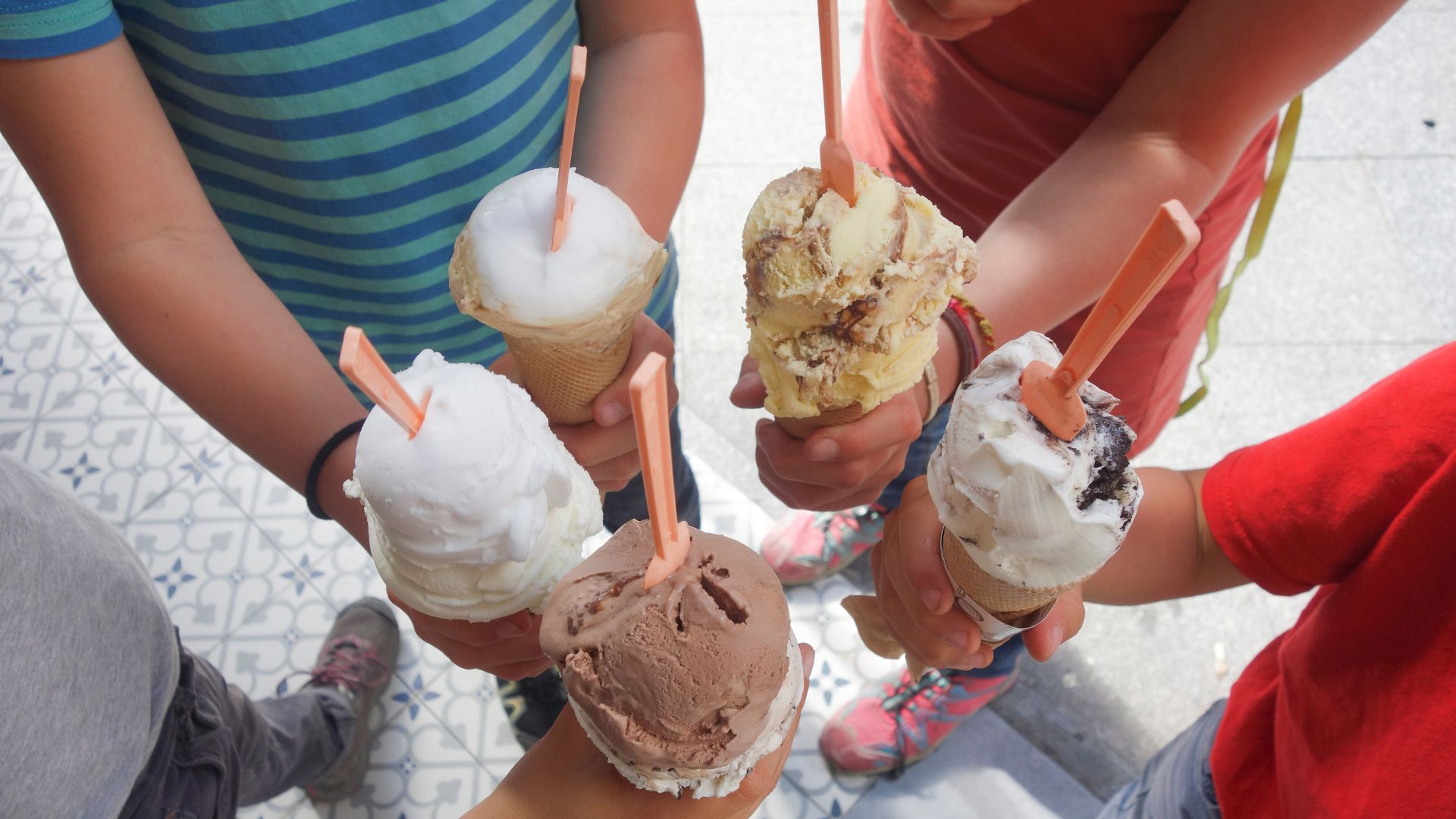
How My Family Celebrates Shavuot One Scoop at a Time

Shavuot begins at sundown on Friday, May 22, and in my house, that means one thing is already being debated: Where are we going for ice cream? 

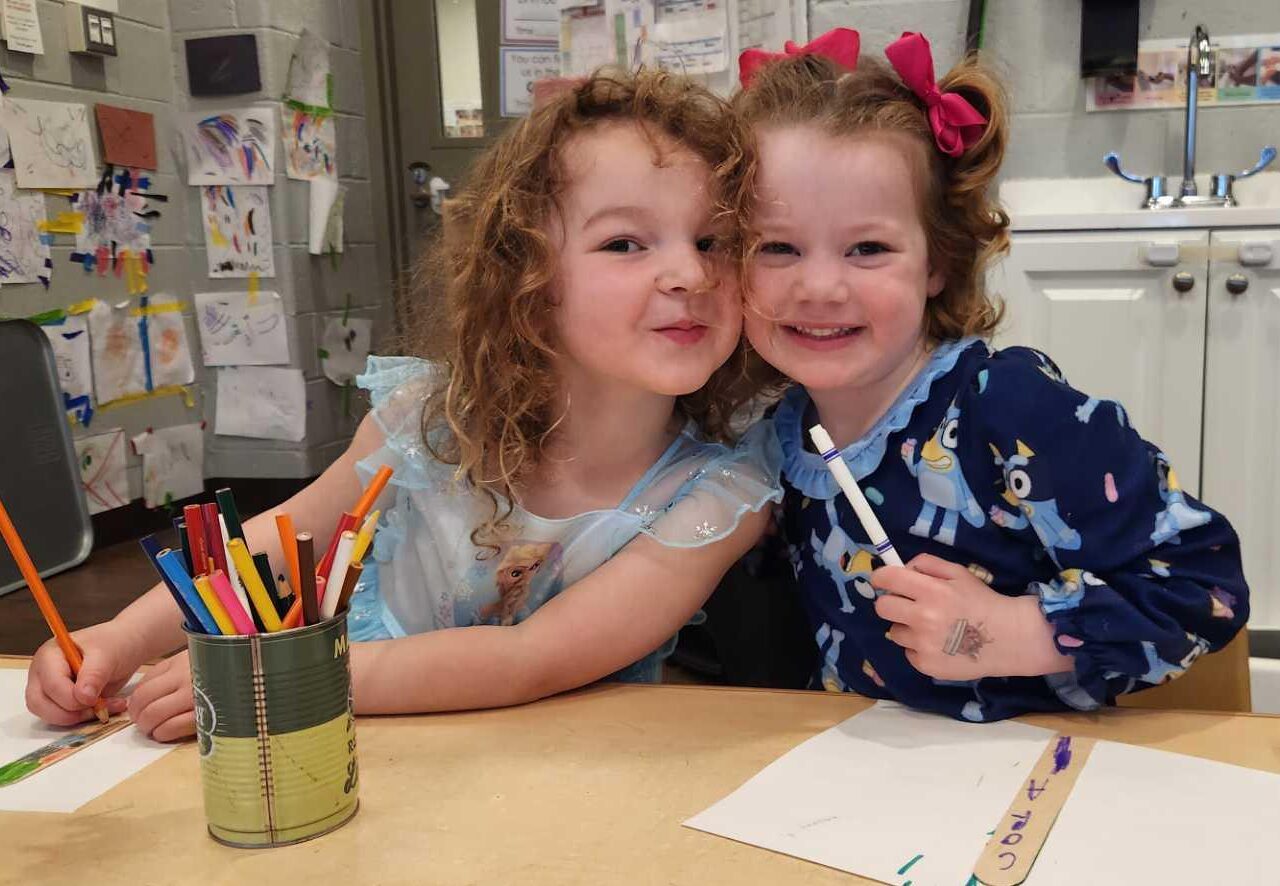
Every year, as part of our Shavuot celebration, my family sets out to find a new ice cream spot. The annual tradition started as a nod to the holiday’s dairy customs and has become one of those rituals my children would absolutely notice if we skipped.  

Over the years we have made our way through some wonderful places across Northern Virginia, including Alexandria’s Casa Rosada with its creamy gelato scoops, La Neveria Michoacana in Woodbridge with its authentic Mexican flavors, the always-bustling Mimi’s Homemade at Mosaic, and the inclusive Jake’s Ice Cream. Many others have earned a permanent place in our family memory since our first Shavuot outing to Peterson’s in Clifton. 

The search for this year’s spot is officially open. If your family has a favorite we have yet to try, email me! I am open to suggestions. 

Before you make a recommendation, you should understand the complexity of ice cream ordering with my crew. My husband is a mint chocolate loyalist. No negotiation, no detours, mint chocolate every time. My son gravitates toward citrus flavors, the brighter and tangier the better. My daughter prefers whatever is the least sweet.  

And me? I am on an eternal quest for off-the-beaten-path flavors. Black sesame. Corn (yes, corn, and it was absolutely delicious). Sambayon. Cherry blossom (made from the actual flower). If it sounds unusual and a little adventurous, I will order it. 

Finding one shop that satisfies all four of us is a challenge and a large part of the fun. 

What Is Shavuot and Why All the Dairy? 

Your family might not be as familiar with Shavuot as you are with Passover or Purim, but it is a joyful and meaningful holiday worth a closer look. Celebrated seven weeks after Passover, it marks the moment the Jewish people received the Torah at Mount Sinai. PJ Library describes it beautifully as a time to celebrate both the harvest and the gift of Jewish wisdom.  

Why do we commemorate receiving the Torah by eating dairy foods? One of the most beloved explanations for this custom is that when the Jewish people received the Torah, they had not yet learned the laws of kosher meat preparation. Afraid of inadvertently making a mistake, they ate dairy instead.  

Another custom is that on the first night of Shavuot, Jewish communities around the world observe Tikkun Leil Shavuot, which means “repairing the night of Shavuot.” We stay up through the night to study Torah, read, discuss, and learn together. It is a powerful reminder that Jewish wisdom is not just inherited, it is actively chosen by each generation.  

Three Things to Do at Home for Shavuot 

  • Decorate with flowers and greenery. According to tradition, Mount Sinai burst into bloom the moment God gave the Jewish people the Torah. Bring that spirit into your home by decorating your table or front door with flowers. Let your little ones pick blooms from the garden or make paper flower crafts together. This beautiful tradition is genuinely delightful for children. 
  • Read a Shavuot story together. You do not have to stay up all night to add a little learning to your holiday. Family story time is an acceptable alternative. PJ Library has wonderful Shavuot books and resources to bring the holiday to life for young children. Try a book about Ruth and Naomi (whose tale is read during the holiday) or the giving of the Torah on Mt. Sinai. Reading together as a family is a meaningful way to welcome any holiday (and you can always sneak in some adult learning after the kids are in bed). 

However you choose to mark the holiday this year, we hope your Shavuot is filled with sweetness, meaning, and connection. And, ideally, the perfect scoop of ice cream! 

You can celebrate Shavuot with the Pozez JCC at the following events: 

Camp Kesher fundraiser at Jake’s Ice Cream: Order a cup or cone of delicious small-batch ice cream flavors, and proceeds will go toward camp scholarships and inclusive programming.  

Shavuot in the park: Join other young families for a park play date with a sweet treat.  

Chag Shavuot Sameach! Happy Shavuot!

Building a Culture of Philanthropy: A Gift to Sunrise is More Than a Number

When you consider giving a gift to Sunrise Day Camp–Greater Washington, you might begin with a number. Maybe it’s $18. Maybe it’s $1,800. 

Numbers, however, don’t capture the real impact of your gift. They’re a marker of sorts and intangible, and don’t connect you to the people on the other side of the donation. 

Now imagine if instead of gifting a number, you were making possible: 

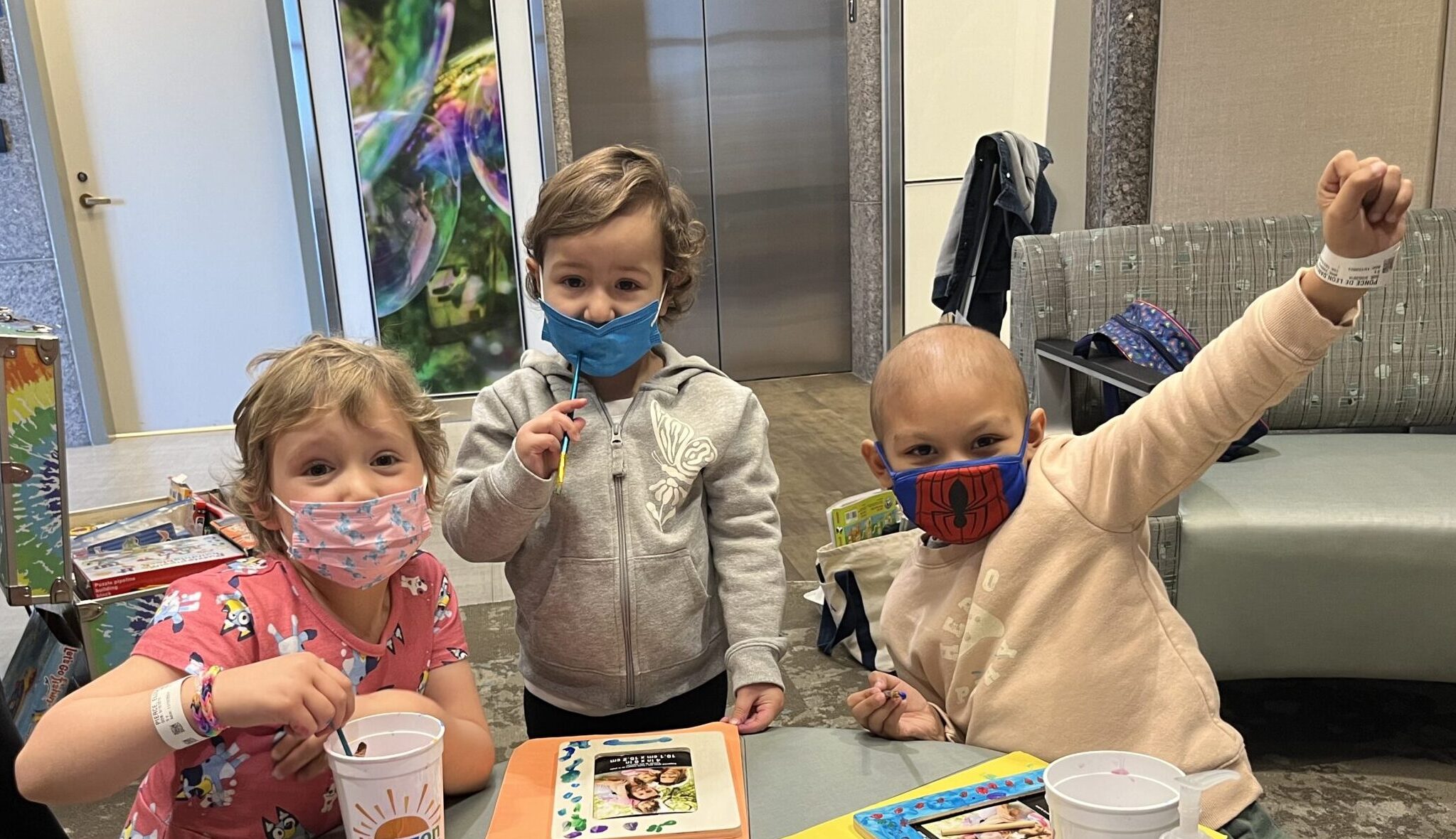
  • Six weeks of joy, friendship, and normalcy during treatment for a child facing pediatric cancer 
  • A scary hospital visit transformed into a fun afternoon of games and crafts  
  • Weekend outings that let families spend meaningful time together 
  • The giant smiles and messy fingers that come with an immersive art activity 
  • A chatter-filled bus ride that takes one more to-do off a harried parent’s list 

When donors understand the impact of their gifts, generosity becomes deeply personal. No gift is too small when it becomes part of something transformational.  

When we see the positive effect we can have on the people around us, we begin to build a culture of philanthropy where giving becomes one of many ways we connect. 

Seeing the Impact Firsthand 

Community members have many ways to experience the impact their gifts to Sunrise Day Camp–Greater Washington have on Northern Virginia families. 

Camp tours: One of the most powerful ways to understand Sunrise is to experience camp in person. Sunrise Day Camp will host camp tours daily between June 29 and August 7. Supporters and community members can witness the direct impact philanthropy has on children and families facing pediatric cancer. 

To schedule a tour or learn more, please contact Melanie Bomberg, Development Manager, at Melanie.Bomberg@theJ.org

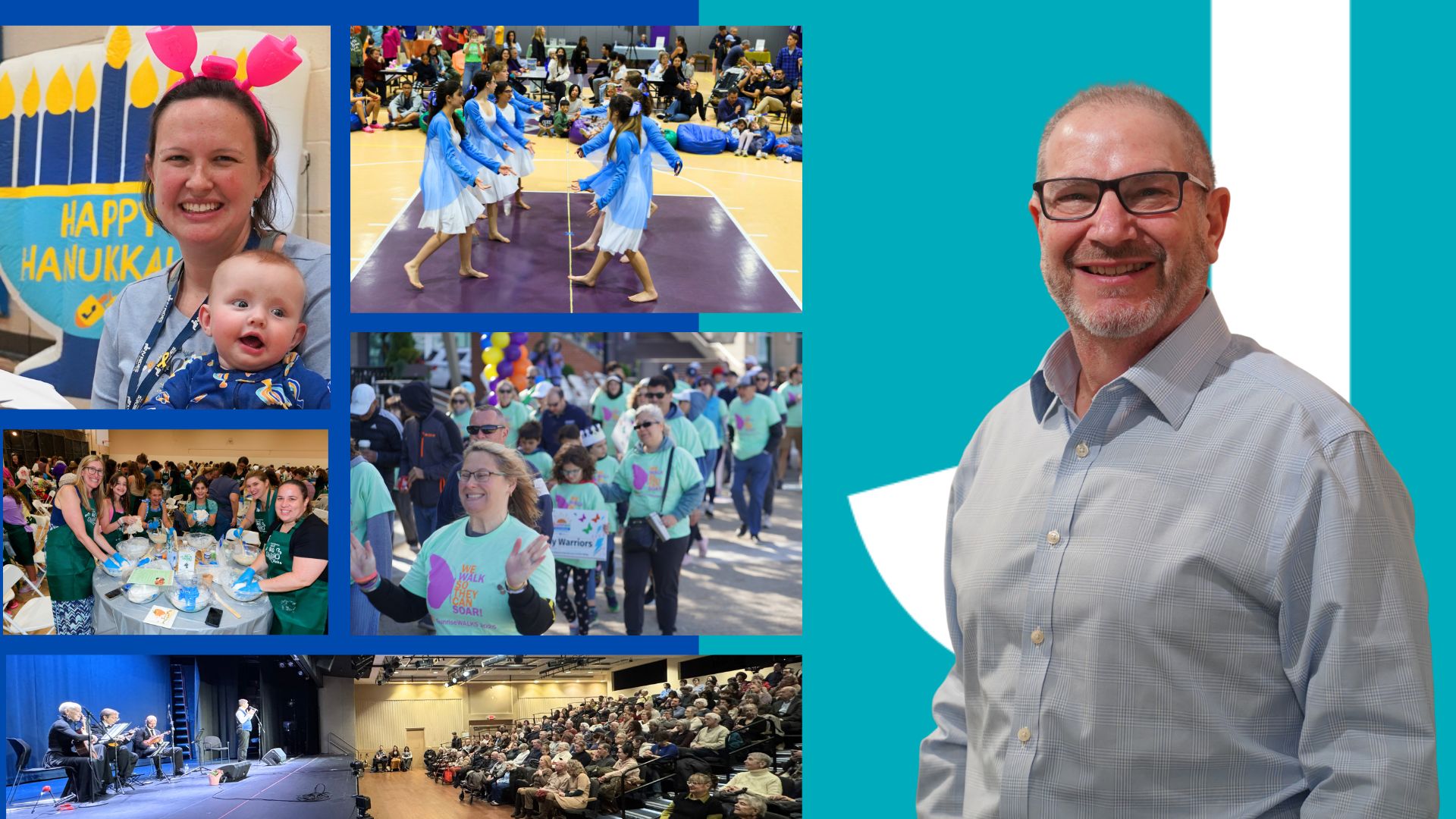
SunriseWALKS: The Sunrise community is already looking ahead to our fifth annual SunriseWALKS at National Harbor on Sunday, October 18. SunriseWALKS is more than a fundraiser — it is a celebration of community, resilience, and the children and families at the heart of our mission. Every step taken and every dollar raised helps ensure that Sunrise can continue providing camp, hospital programming, and year-round experiences free of charge to every family we serve. 

Register, form a team, donate, or help spread the word at: https://sunrise-walks.org/GreaterWashington 

Every Gift Matters 

A culture of philanthropy is built when people understand that their generosity has the power to change lives. 

At Sunrise Day Camp–Greater Washington, every donation helps create laughter in hospital hallways, confidence on the camp stage, friendships that extend beyond diagnosis, and experiences of childhood that every child deserves. 

Because when you give to Sunrise, you are not simply funding a program. You are giving children the chance to experience the magic of being a kid again. 

And that’s so much more meaningful than a number.

A Year of New Connections: Looking Ahead with Jeff Dannick

The new year is coming — the fiscal new year that is.

This marks a significant moment at the J, a designated time to think big, reset our strategy, and ensure we continue to do all we can to build Jewish community in NoVa.

To prepare for a new year of meaningful programs, community partnerships, and innovative, out-of-the-box initiatives, we spoke with Jeff Dannick, Executive Director of the Pozez JCC (the J). Below are highlights from our conversation about his priorities and vision for the J as a convener of Jewish life in Northern Virginia.

Q: The J’s fiscal year starts this summer. What are your primary goals for 2026-2027?

A: The first piece is expanding our reach into the broader Jewish community across Northern Virginia. That means working closely with partner organizations, synagogues, Federation, Gesher JDS, and others to be the connective tissue of Jewish communal life. We want to meet people wherever they are and help them find meaningful ways to engage. That includes creating ways to help them become connected to other community members, or create or join a microcommunity. That could also include connecting them to a Jewish institution. We need to provide all kinds of support.

The second piece is what we do inside of our building, that is how we deliver our existing programming, what we do to grow our membership, the effort we make to meet the changing needs of our community, and how we lean into the tension and discomfort of our times with thoughtfulness and respect.

Q: You mentioned leaning into tension and discomfort. What does that look like at the J?

A: We are creating a big tent, where people with differing backgrounds and views feel comfortable expressing themselves in a safe, respectful environment. We want to help people learn how to have difficult conversations. How to argue without being argumentative. How to disagree without being disagreeable. 

For example, how do we support Israel in ways that align with our values? Those tensions, I think, are more critical than ever in our Jewish community. And if we’re going to come through this period of increased antisemitism and conflicts around the world, we have to figure out how to be together in community and recognize what holds us together rather than what divides us.

Q: What new initiatives or partnerships are in development?

A: One particularly exciting initiative has been three to four years in the making. We’re preparing to launch JLive, a new digital platform in partnership with The Jewish Federation of Greater Washington. Jewish organizations across the region will be able to post events, programs, and opportunities. Users will be able to search based on their specific interests, life stage, and geography, making it easy for them to discover what’s happening throughout their Jewish community.

Our hope is that this platform will become a centralized hub that connects individuals with opportunities while also giving organizations valuable insights into what the community is looking for. More to come!

Q: Social impact seems to be a growing focus for the J. Why is that important?

A: We believe many people express their Judaism through the ways they live their lives and the impact they have on others. For some, living Jewish values means participating in synagogue life or observing rituals. For others, it means tikkun olam, repairing the world through service, advocacy, and acts of kindness. We want the J to be a place that supports both and helps more people engage with Jewish life through social impact opportunities rooted in Jewish values.

Q: How will the J continue to engage younger generations and those who may feel less connected to Jewish communal life?

A: Younger generations are often looking for opportunities to make a difference in our world, so we’re exploring more ways to connect Jewish engagement with social impact, volunteerism, and microcommunity building.

At the same time, we recognize the needs of families raising young children differ from those of single adults or couples without children. So we’re trying to do a lot of listening this year to understand what it is they’re looking for and figure out how we can deliver it.

Q: You’ve mentioned efforts to create microcommunities. What are you envisioning?

A: Microcommunities can cut across generations and bring people together. One microcommunity we’re exploring is for parents. While there are many strong programs focused on engaging children and young families, we’re hearing that parents themselves need more support, whether around stress and anxiety, developmental or mental health challenges, or navigating the realities of parenting at different stages.

We’re envisioning a parenting center without walls, a collaborative, community-based support network developed in partnership with other organizations throughout Northern Virginia.

Q: What challenges do you anticipate in the coming year?

A: Like many organizations, we continue to navigate financial challenges stemming from COVID-era disruption, broader economic pressures, and changing patterns in how families live and engage in Jewish life. At the same time, global instability, from conflict in the Middle East and Ukraine to rising antisemitism, continues to affect our community in profound ways. We have to remain agile, thoughtful, and responsive while also strengthening our financial foundation through membership growth, fundraising, and program revenue.

Q: The J has long welcomed not only Jewish residents but people of all backgrounds living in NoVa. Why is inclusivity such a central part of the mission?

A: The J is a welcoming space for all. Being open to people of all faiths or no faith is foundational to the JCC movement and has always been part of who we are.

Just to point out a few examples: There is NV Rides, which connects volunteer drivers with older adults in need of transportation. To make this happen, we team with 14 partner organizations, many of which are faith-based and diverse. Another is Sunrise Day Camp, which is a free summer camp for children with cancer as well as their siblings. You don’t have to be Jewish. You don’t even have to live in Northern Virginia. The camp serves the entire DMV.

People need to know they have a community. And in fact, if we go back to our conversation about antisemitism, I personally believe the Jewish community cannot solve antisemitism. What we can do as a Jewish community is demonstrate to people of all backgrounds and faiths that we are a warm, welcoming people who care not only about the Jewish community, but the entire community. And that we want to live in partnership and in collaboration and in mutual support with all of our neighbors and friends. That’s core to what the Jewish community is about, and it’s absolutely central to the J.

Q: What do you most want the community to understand about the J?

A: We want people to think beyond the building. When many hear JCC, they think of a physical place. But increasingly, we see ourselves not just as a Jewish Community Center, but as a Jewish Community Connector.

The Northern Virginia Jewish community is so large and so spread out that having just one brick-and-mortar location is never going to be convenient for our entire community. We want to and need to connect Jewish life across the region through partnerships, programs, digital tools, microcommunities, and relationships.

We envision a Jewish community of Northern Virginia that even if it doesn’t have a geographic gravitational center, has a real sense of a collective Jewish community, where we support one another and where we embrace one another. And we’re on a path to achieving that. It’s a long road, for sure, but there’s a lot of opportunity for more engagement.

Q: What message would you like to leave people with?

A: In spite of all the challenges facing the world today, I want people to find joy in living their Jewish lives. We want to hear what people are looking for, what support they need, and how they want to engage. We are not prescriptive. Our programs often come from a kernel that we hear from somebody in the community, and then we try to respond. Many of our best ideas begin with listening.

Also, I want people to keep in mind that the J is a welcoming space. J programs, whether in the building or out in the community, are very safe places for people of varying faiths and families of multiple faiths to engage with Jewish community, with other Jews, and with other people in similar life stages.

And if there are more ways that we can help support our community, we are all ears.


The J is a vibrant space, welcome to all who walk through our doors. The J is also a community that reaches beyond walls and across miles. You can support our momentum and our mission, in our building and out in our community, by making a gift.