Join the J in June to receive $109 off enrollment fee! Learn More.

The Road to Connection: How NV Rides steers volunteerism in NoVA Jewish community

When Mike Perel retired from his career in highway safety research, he didn’t walk away from the road. He simply changed his route. 

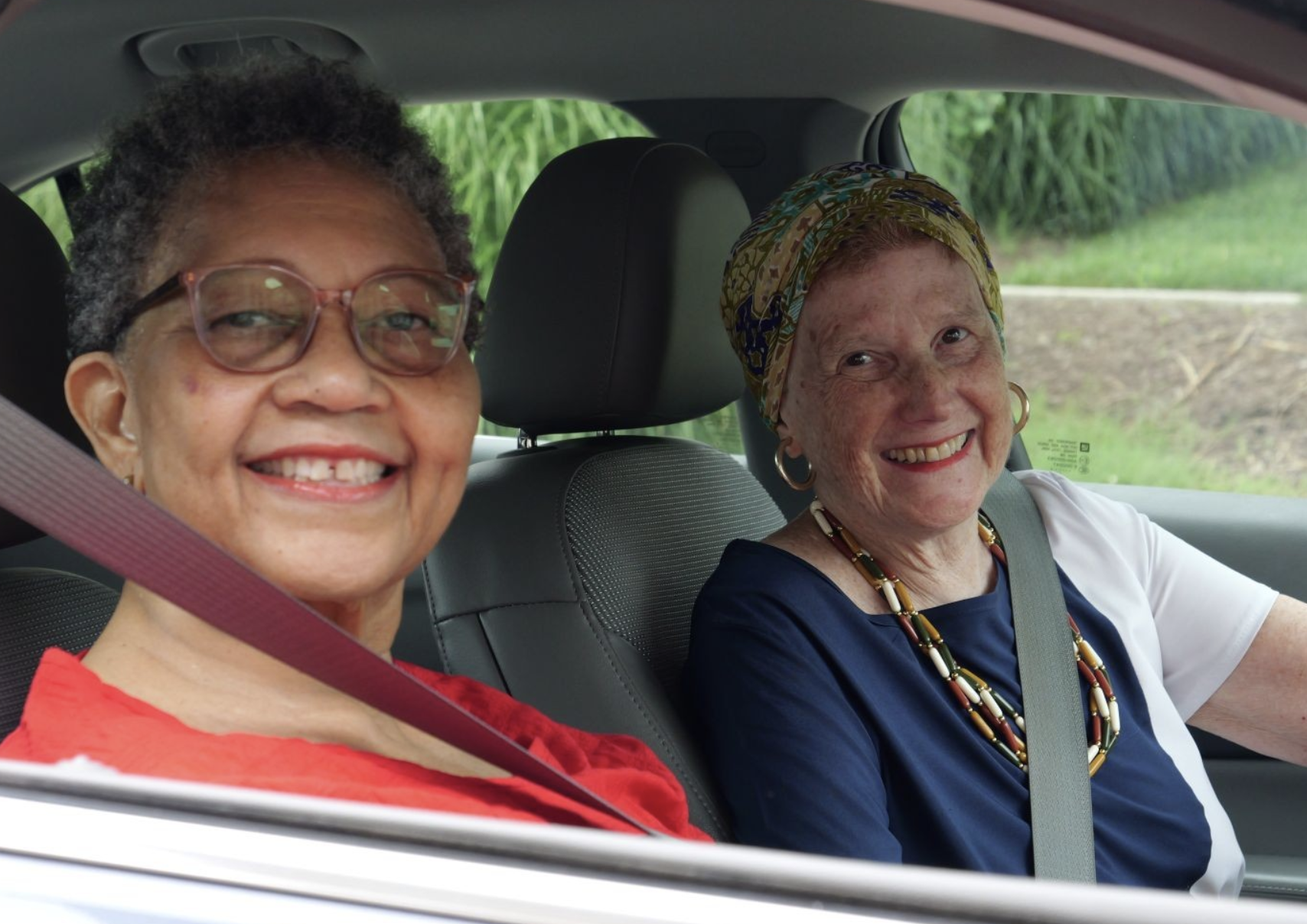
Now, instead of studying drivers, he’s behind the wheel himself as a volunteer with the J’s NV Rides program, a volunteer transportation network offering rides, connection, and dignity to older adults who can no longer drive.

As part of the J’s community impact work, NV Rides pairs older adults, mostly in their 70s-80s, with community members willing to give them a lift. Passengers are often driven to doctors’ offices, pharmacies, and grocery stores. The impact of each ride extends far beyond mileage.

“Some of the riders have really fascinating backgrounds,” Mike shares. “One that stands out is a 100-year-old World War II veteran. His story was incredible. And he was just so grateful for a simple ride. Those moments stay with you. They change you.”

The J started NV Rides in 2014, recognizing how many older adults in Northern Virginia were facing mobility challenges. Since then, our network has grown across four counties, powered by hundreds of volunteers who give their time, and their hearts, to others.

In the past fiscal year alone, our volunteers provided 22,284 services (including rides, visits, and deliveries), served 1,105 older adults, and gave 23,230 hours of their time, driving 211,369 miles — the equivalent of circling the Earth more than eight times! We even helped fund 240 taxi rides for clients needing extra support.

We don’t do this work alone. NV Rides thrives through partnerships with incredible local organizations — nonprofits, faith communities, and service groups — like the Shepherd’s Center of Fairfax-Burke, which provided more than 2,400 rides last year, averaging over 200 rides each month. Their Executive Director, Beth Kilgore-Robinson, credits us with making that scale possible.

“Without the support from Pozez JCC, we wouldn’t be able to coordinate as many rides as we do,” she says. “It’s a game-changer for a small nonprofit like ours.”

Beth, who often volunteers as a driver herself, emphasizes that a lack of transportation often results in limited access to healthcare.

“By training, I’m a social worker. I’ve seen what happens when someone has basic insurance but no way to get to a doctor or a dentist or even the grocery store,” she explains. “Transportation is a part of healthcare. Without it, people lose access to medical care, socialization, and even basic necessities. NV Rides fills that gap.”

That connection is what drives us, too. 

“It goes way beyond actual driving,” says Zina Segal, our senior director of community impact and engagement. “The rides get seniors to where they need to go. But the connections between riders and drivers are what make this program truly transformative. Volunteers often tell us how much it fills them up, how much it means to be part of something bigger.”

Behind every mile, there’s a web of care and coordination that keeps NV Rides moving. At the J, we provide funding, support, and scheduling software that helps volunteers choose rides that fit their time, distance, and comfort level. This flexibility allows people like Mike and Beth to help when they can and to build real relationships with the people they serve.

“We built our system to empower our volunteers,” says Elena Alergant, our NV Rides manager. “They can drive once a month or five times a week. Some even request the same riders because they’ve become friends. There’s one volunteer who always asks to be paired with a specific older woman, and now they go grocery shopping and have lunch together. It’s beautiful.”

The support that the J provides to partners like the Shepherd’s Center of Fairfax-Burke extends far beyond the software.

“Elena is incredibly helpful,” Beth says. “She represented us at a volunteer fair when I couldn’t attend, and when we hosted a dementia training for all our volunteers, Elena arranged for us to use space at the JCC at no cost. We’re truly grateful to Elena and the Pozez JCC for everything they do.”

For Elena, the work is personal.

“When I moved here from Moscow 10 years ago, I didn’t drive,” she says. “I was homebound. It was isolating. And I know how life-changing it is when someone offers you a ride. When I finally got a car, it was like the world opened up. That’s what we’re doing here: we’re opening the world up for older adults again.”

This kind of deeply personal, values-driven work is no accident. In 2022, we began implementing a strategic plan at the J to expand social impact through volunteerism. The philosophy behind it is grounded in tikkun olam, the Jewish principle of “repairing the world.”

This year alone, volunteers of the J’s Volunteer Services logged 3,413 hours.

“Every volunteer opportunity we offer includes space for reflection and learning,” Zina explains. “If someone is volunteering at a food bank, we talk about food insecurity. If they’re driving for NV Rides, we talk about aging, transportation barriers, and dignity. And always, we connect it back to Jewish values, to why this work matters not just to the community, but to the soul.”

For Mike Perel, it all comes back to one powerful truth: losing the ability to drive is one of the most devastating losses an older adult can experience.

“When I was working in highway safety research, I often heard that doctors found it harder to tell patients they had to stop driving than to tell them they had cancer,” he recalls. “That’s how much driving is tied to our independence. The Pozez JCC’s NV Rides program gives people some of that independence back, and I’m grateful I get to be part of it.”

As shared by many of our NV Rides volunteers, it is clear how effortlessly they are able to gift independence to someone in need. The simple act of offering a ride is not just providing transportation, but offering dignity, connection, and a moment of shared community. This generous, low-effort exchange transforms a logistical trip into a profound act of service, proving that the simplest gestures can carry the deepest meaning.

To learn more about giving the gift of mobility and becoming a volunteer driver, visit https://thej.org/volunteer/volunteer-ride-program.

SHARING THE FALL HARVEST TO FIGHT HUNGER IN OUR COMMUNITY

For me, fall is a season associated with food traditions and childhood memories. Growing up in West Virginia, October was when we gathered the last fruits and vegetables of the garden, and I spent long afternoons with my grandmother in the kitchen, canning food to prepare for winter.  

Together, we canned everything we could. We turned fresh tomatoes into spaghetti sauce and salsa. We transformed cucumbers into crisp dill and bread-and-butter pickles, the jars topped with a grape leaf from wild vines. We’d pack green beans, butter beans (my personal favorite) and golden corn kernels into jars, scraping the knife down the side and back up to get all the sweet goodness – hoping to preserve that taste of summer sunshine.  

When my grandmother’s basement shelves were finally lined with jars, it felt like we had bottled up both food and love to carry us through the cold months. Back then, my family lived on a “hollow” with my grandparents and my aunt’s family, and we shared our fall harvest with our little community at holiday celebrations and gatherings throughout the year.  

This tradition of storing and sharing the garden’s abundance has stayed with me. That’s why I love the J’s community garden, where we grow fresh produce to donate to families in need. The J has joined together with our neighbor, Bethlehem Lutheran Church, to fight hunger and food insecurity in Northern Virginia.  

This year, we are proud to be sending the fruits of our collective labor to Food for Others, an organization that ensures good food makes its way to neighbors who need it most. I’ve added vegetables from my home garden to the donation boxes, as well because I feel strongly that our harvest should be shared. 

I also love how the garden brings the community together through a shared sense of purpose. More than 60 volunteers have given their time to prepare the garden site, plant seeds, maintain the garden, and harvest the fruits and vegetables we grew together. Working in the community garden with volunteers of all ages has given me the same sense of connection I first learned as a child, canning food with my grandmother to share with our family and community. 

There is something deeply grounding about gardening, planting, tending, and then sharing the harvest. Whether you grew up with rows of jars lining your basement or are just now getting your hands into the soil, the act of giving back through food is a powerful way to celebrate fall Jewishly. Together, as a community, we can carry the warmth of the garden into the months ahead.  

If you’d like to volunteer in the community garden and help the J address issues of hunger in our community, look for opportunities on our volunteer services website in the spring when the garden will need to be prepped for next year’s growing season.  

Want to help now? Make a donation to the J to support the garden and all of our community engagement programs or sign up for one of our many other volunteer opportunities. 

Find Your Chosen Family at the J

When you don’t have family nearby, holidays can feel more intimidating than joyful. 

I moved to Northern Virginia in April 2016, the week before Passover. We didn’t know anyone Jewish in the area, and as our home was still half full of boxes, we asked a local synagogue to match us with seder hosts. Their hospitality was lovely, but making small talk over matzoh while keeping an eye on a fidgety preschooler and toddler was awkward. I wasn’t keen to repeat the experience for the fall holidays. 

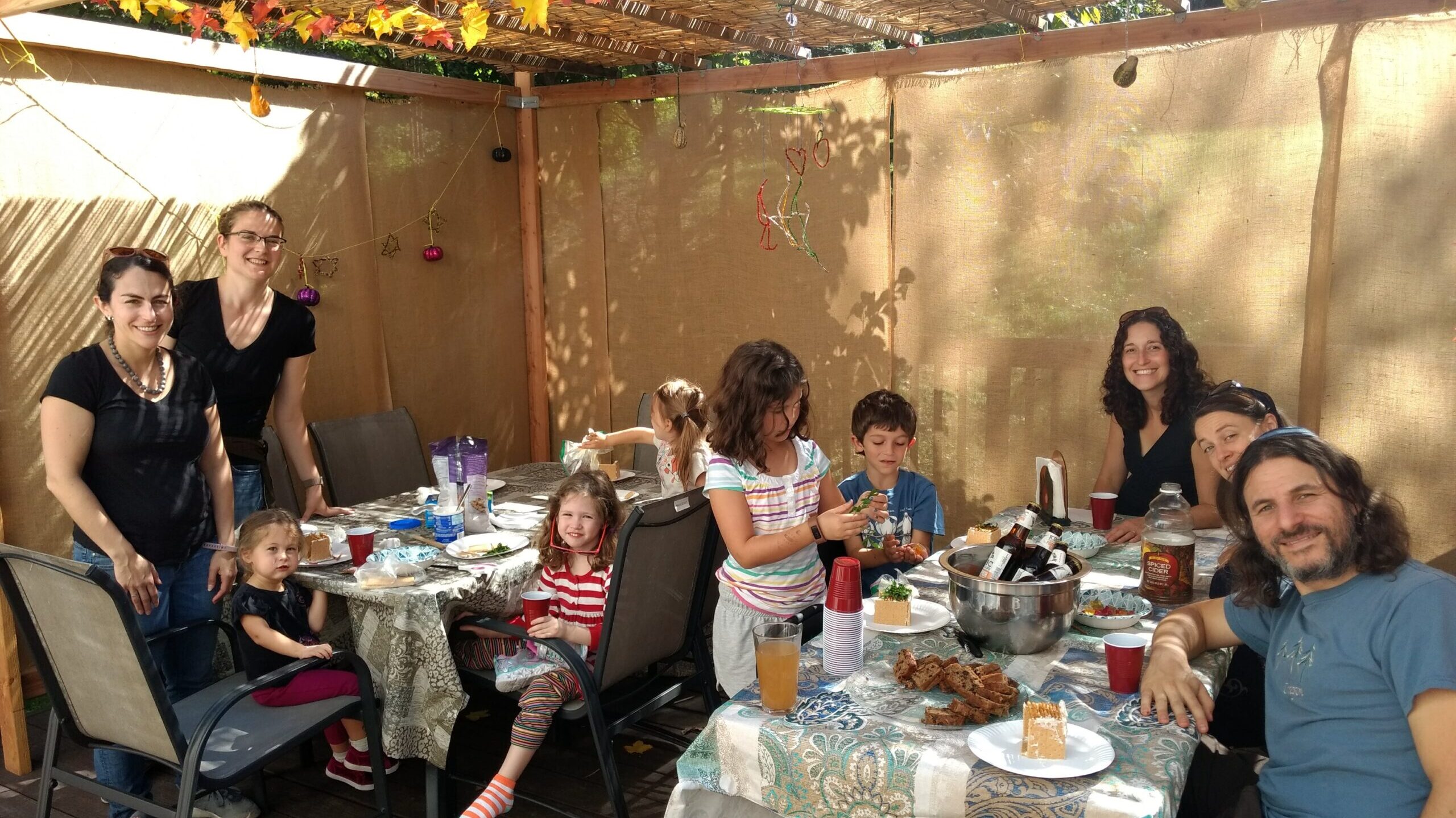
That gave me nearly half a year to find “my people” — new friends to share my holiday table at Rosh Hashanah, Sukkot, and Chanukah. But where do you meet people as the parent of small kids when you work from home? The answer turned out to be the J. 

Every afternoon, I drove to the J to pick up my kids, first at the ECLC then at camp. Inevitably, my daughter would refuse to put on her shoes, so we would wait in my son’s preschool classroom until she was willing to put on outerwear. Once summer came, I had to physically extract my son from his beloved counselors on a daily basis, which always took longer than expected. Needless to say, I spent a lot of time at the J! 

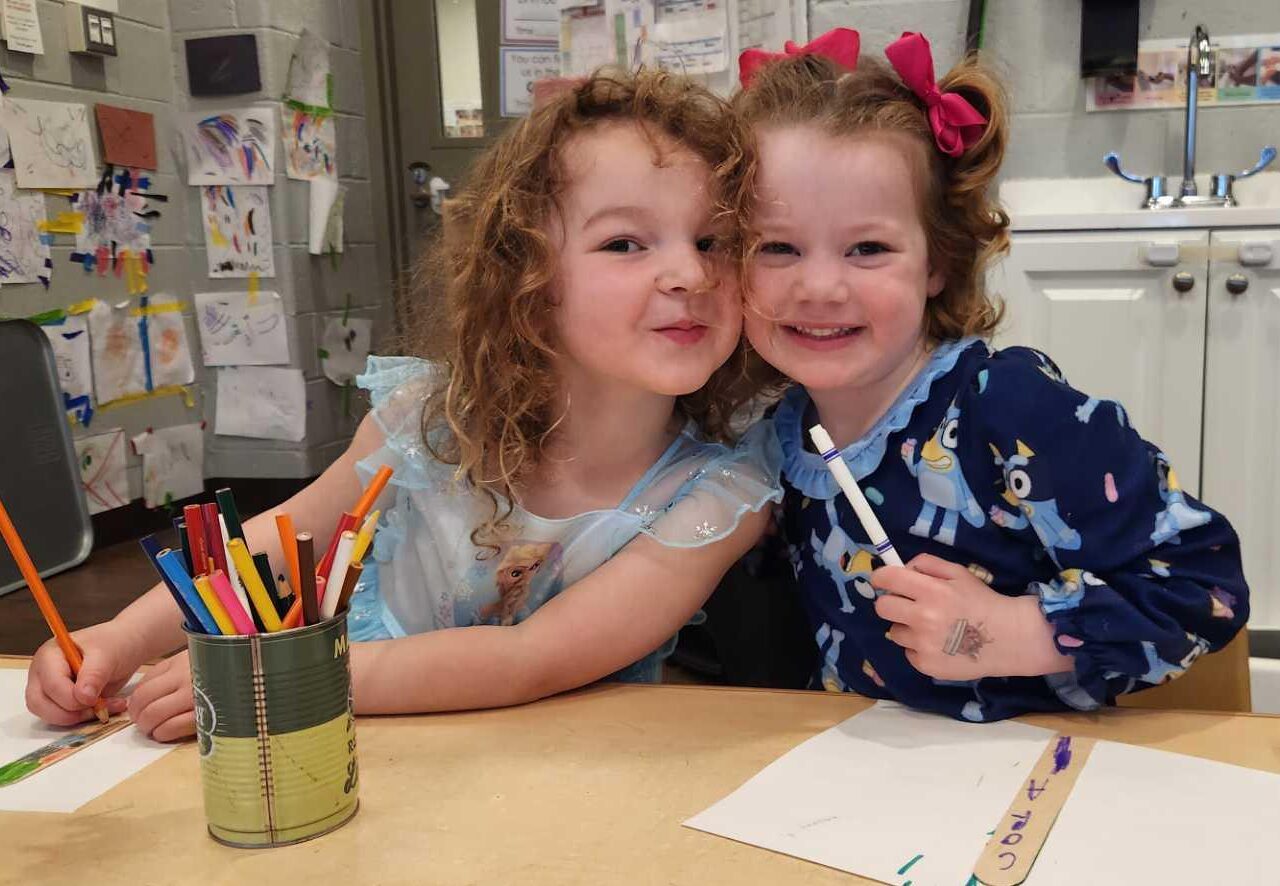
Which meant I started to recognize and talk to the “regulars” there. I chatted with other preschool parents when we arrived at the same time to pick up our children, waiting for the kids to shed their Elsa dresses or finish their art projects. I said hi to folks I recognized from our synagogue, and we asked each other what brought us to the J. Conversations turned into play dates and occasionally a Shabbat dinner. 

I also connected with the J’s Growing Jewish Families program. I met one of the ambassadors for coffee, and she told me about area events, such as apple picking and ice cream socials, perfect for meeting other families with young kids. 

I even started talking to strangers! I always crossed paths with this one woman, who was about my age with curly hair just like mine; on more than one occasion, folks at the J confused me for her. I finally had a real conversation with her when we both showed up to a planning meeting for a new women’s Rosh Chodesh group. It turns out she worked for the J and was also an ECLC parent, plus we shared a Boston connection. Her family was one of the first people I invited over to my new house, when my dining room was set for hosting but my living room still had no furniture. 

Thanks to the J, when the holidays rolled around again, I had a new, chosen family to invite to my Rosh Hashanah dinner and Chanukah party. No need for holiday blues or awkward small talk with strangers. 

Whether you’ve moved here for work or to be closer to your grown children, or you’re a longtime resident whose friends and families have moved away, you, too, can find your people at the J. Make a friend at a pickleball or mah jong class, chat with fellow parents at preschool or Chai 5 aftercare pickup, find a workout buddy at the J-Fit gym, or connect with others over volunteer work, art openings, and speaker events. Your holiday table – not to mention your social calendar – may soon fill up. 

Ready to make new friends and discover your chosen family? Check out the J’s calendar of events to find a program that fits your schedule and interests. 

Honoring Coming Out Day: A Guide for Parents

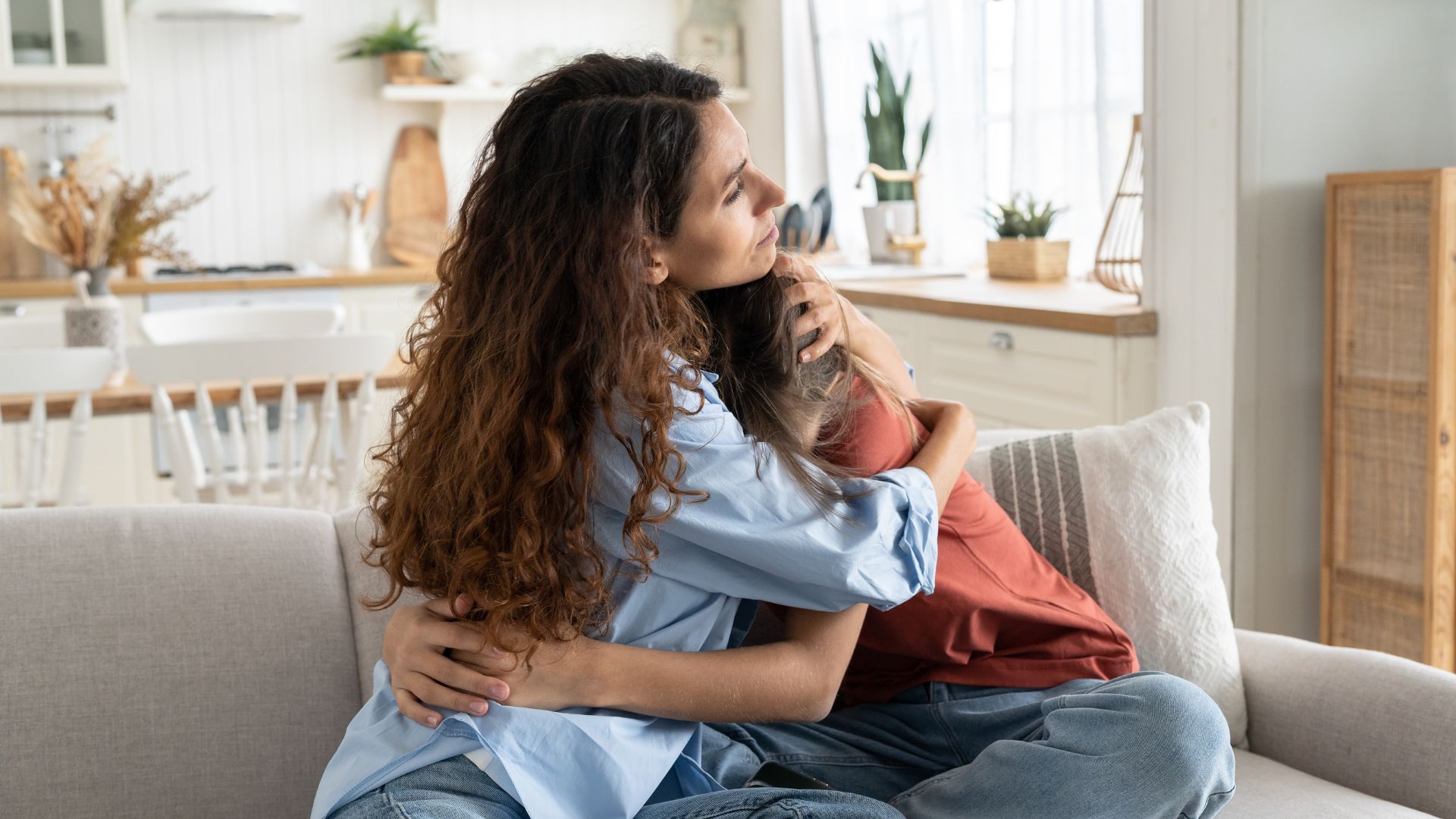
October 11 is National Coming Out Day, a date that represents a complex mix of pride, courage, self-acceptance, fear, and excitement for members of the LGBTQ+ community. For anyone navigating the emotions and conversations surrounding this day, the Pozez JCC remains committed to being a safe and welcoming home for all families and individuals. We encourage you to read our guide for parents as we reaffirm our dedication to providing a truly inclusive space where every member of your family feels seen, supported, and celebrated. 

Navigating the process of coming out can be challenging, and recent data underscores the importance of parental support: As of 2022, 40.9% of LGBTQ+ youth in the United States were out to their parents/guardians, 34.3% were out to their siblings, and only 4.1% were out to their extended family, according to the Human Rights Campaign Foundation’s survey of 13,000 LGBTQ+ kids (ages 13 – 18).   

Why is each percentage below 50%? Because more than half of the kids that do come out experience negative feedback from their parents and family. Children are afraid of facing rejection from their parents and that makes them reticent to come out. 

Luckily, over half of kids who come out have also experienced positive feedback from their families, with parents and guardians reassuring them that they like them for who they are or speaking positively their LGBTQ+ identity. 

So, what should you do if your child or school-aged family member comes out to you? In honor of National Coming out Day, here is some advice about what to do and what not to do: 

What to Do: 

Tell them you love them no matter what 

This is the best thing to say first, before you say anything else — even if your child’s announcement is hard for you to hear. It is also okay to say you need some time to process but say it gently and only after you’ve let them know you love them. Your child will wonder if you still care for them in the same way, and the wondering is enough to damage your relationship.  

Do your research  

Many resources exist online for parents with LGBTQ+ children. Do some research to learn what your child is experiencing, how to support your child, and how to cope if you are struggling with the change. Even trying to understand is better than nothing.  

Be open-minded 

Nearly 1 in 10 U.S. adults identify as LGBTQ+, so there is always a possibility that one of your children identifies this way, as well. If you let yourself be open to the idea of having a child in the LGBTQ+ community from the start, acceptance will come more naturally. 

What Not to Do: 

Don’t respond that you wanted grandchildren 

Gay and transgender people can have children! Adoption, IVF and surrogacy are all ways  members of the LGBTQ+ community can have children. Rest assured you may still have biological grandchildren, though you have no guarantee, even with a straight child, that your son or daughter will want children one day. 

Don’t ask when or why they chose to be gay 

Being LGBTQ+ is not a choice. It’s a choice to accept that part of oneself and it’s a choice to come out, but sexuality and gender are intrinsic. Gender identity is not only influenced by psychosocial factors like societal beliefs and innate sense of self, but also biological factors out of someone’s control, such as naturally higher levels of testosterone. Sexuality, similarly, is not something one chooses but something that is a part of you. Consider that you didn’t choose your sexuality, either.  

Don’t pretend they never told you 

Many parents fall into the trap of feeling like they’ve accepted their child’s identity but continue to ask them heteronormative questions. Do not ask your bisexual daughter, “When will you get a boyfriend?” or your transgender son if he wants to go dress shopping for prom. It’s not enough to accept them only in the moment they come out. It may take a conscious effort but be considerate about the things you say and whether or not you are erasing part of their identity with your thoughts and questions.  

These are just a few ways you can make coming out easier for your child. Though it’s incredibly important to accept and love your child no matter what, it can also be challenging for some parents to reimagine their child’s future self.  

My number one recommendation is to start your parenting journey with an open mind. Be curious about your child. Expect the unexpected. You are only in control of your own thoughts and actions, not theirs.  

Love your children — whether they’re gay, straight, bisexual, trans or nonbinary. Love them for who they truly are, and everything else will follow. 

Resources for families of LGBTQ+ individuals: 

To close, remember that providing unconditional love and support is the most powerful tool you have as a parent or guardian. Your efforts to research, learn, and offer positive affirmation can dramatically change your child’s experience for the better. At the Pozez JCC, we are proud to be a warm and welcoming community that celebrates diversity, inclusion, and belonging every day. Whether you are seeking resources, connection, or simply a safe space for your family to gather, know that you are seen, valued, and welcome here exactly as you are.  

Shlichut: A Bridge That Endures at the Pozez JCC

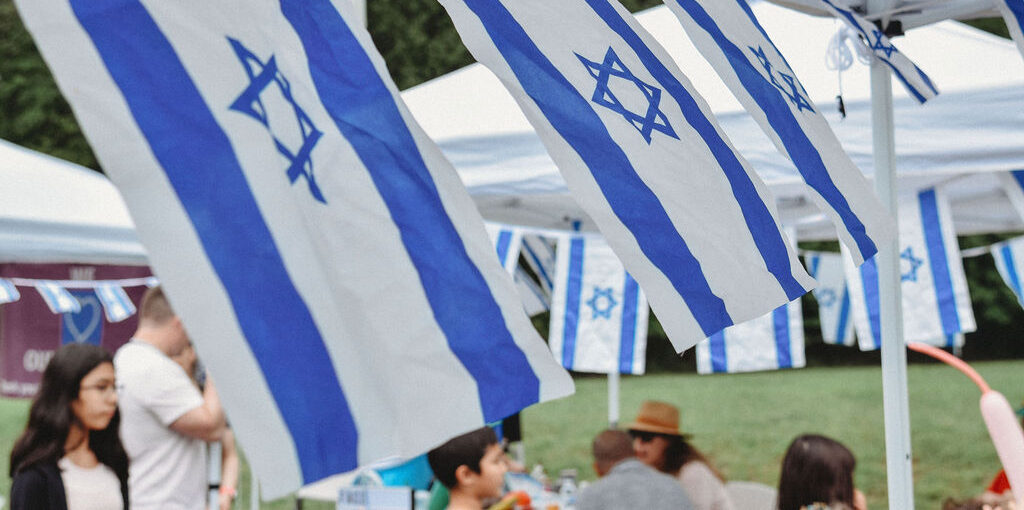
For 18 years, the shlichut program at the Pozez Jewish Community Center has served as a living bridge between Israel and NoVa. Through the presence of an Israeli emissary, or shaliach, the program has offered a personal connection to Israel for community members, many of whom have never visited the country or met an Israeli before.

“It’s one thing to meet an Israeli by chance,” said Zina Segal, senior director of community engagement at Pozez JCC. “It’s another to meet a shaliach who has been trained to answer complicated questions, share their own story, and create spaces for dialogue. That is the unique power of this program.”

L’hitraot to Dean Bagdadi

This August, the community bid farewell to Dean Bagdadi, who concluded three years as Pozez JCC’s senior shaliach. From his earliest days, Dean embedded Israel as a central pillar of community life, through headline events like vigils with more than 1,000 attendees, and through quieter gatherings like weekly discussion circles and coffee dates.

Dean’s authenticity left a mark.

“He touched so many lives because he was open and nonjudgmental,” Zina reflected. “People felt they could ask him anything, and he would meet them with patience and calm.”

October 7 transformed his work overnight. Just 30 hours after the Hamas attacks, Dean convened an impromptu gathering of clergy, professionals, and community members. Days later, he helped lead a massive vigil uniting synagogues across denominations. The months that followed brought a surge of engagement, as people sought connection, solace, and understanding.

“In a short time, Dean drastically shifted the environment in Northern Virginia, helping us to build bridges and connections with one another,” said community member Aviva Walls. “He led with his heart, and we all felt it.”

A New Beginning with Chen Sara

With Dean’s departure, the program now enters a new chapter. The community welcomed a new shlicha in August: Chen Sara Mordechai-Kedar.

“Dean filled his shoes, and now Chen Sara brings her own,” Zina said. “Every three years we bring someone new with different skills, experiences, and perspectives, so the community connects with Israel in fresh ways.”

Chen Sara, a self-described “community nerd,” says people are her hobby. She thrives on dialogue, believing no question is too rude if it comes from genuine curiosity. Chen Sara, a half-Mizrahi and half-Ashkenazi Jew who identifies as LGBTQ+, will lean on her multifaceted identity to bridge differences and foster belonging.

Her story is deeply global. After her army service, she spent time in Cambodia, where she helped establish a sustainable community clinic that still operates today. “I see this work as an expression of tikkun olam, repairing the world,” she said. She also carries insights from Israel’s travel culture, noting that “Israelis often prioritize exploring the world over comfort at home, an impulse that reflects our deep curiosity and adventurous spirit.”

Above all, Chen Sara wants to open doors for dialogue, even across divides. She dreams of creating open, respectful spaces where people who generally disagree with one another can talk face-to-face productively.

Why Shlichut Matters

The shlichut program in NoVa is one of only two in the region, despite being home to the largest Jewish population in the DC area. For Zina, that makes it especially meaningful.

Shlichut is about more than programs,” she said. “It’s about relationships. It’s about welcoming someone into our community who shares their life story and, through that, helps us strengthen our own Jewish story.”

As the community reflects on Dean’s impact and warmly embraces Chen Sara’s fresh perspective, the through-line is clear: Pozez JCC’s shlichut initiative is not merely for our community to learn about Israel or meet an Israeli, but to sustain a living and lasting bridge to Israel. By hosting, supporting, and integrating our Israeli emissaries, the J is ensuring that this connection continues to help shape the Northern Virginia Jewish community year after year.