Join the J in June to receive $109 off enrollment fee! Learn More.

How My Family Celebrates Shavuot One Scoop at a Time

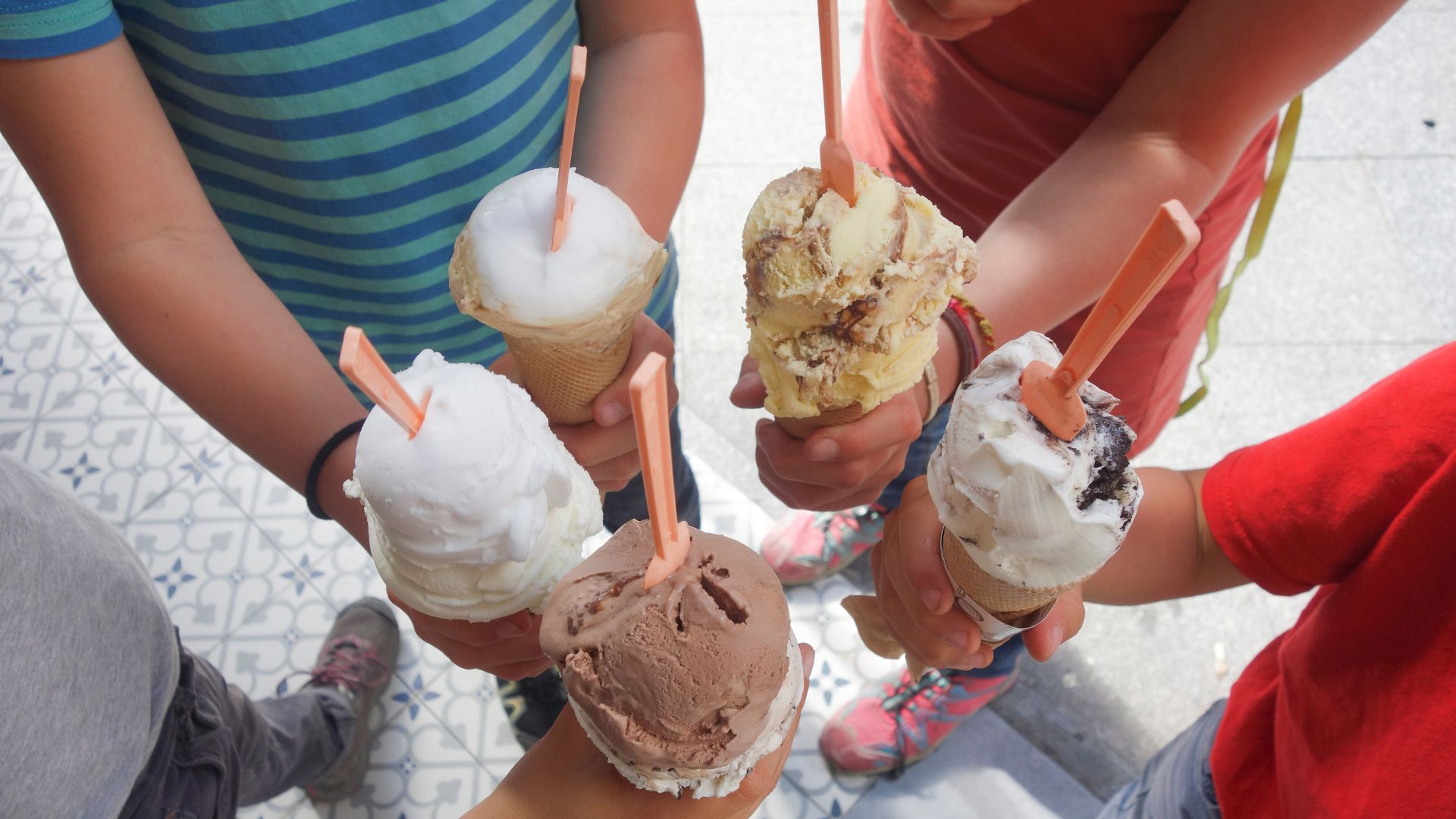
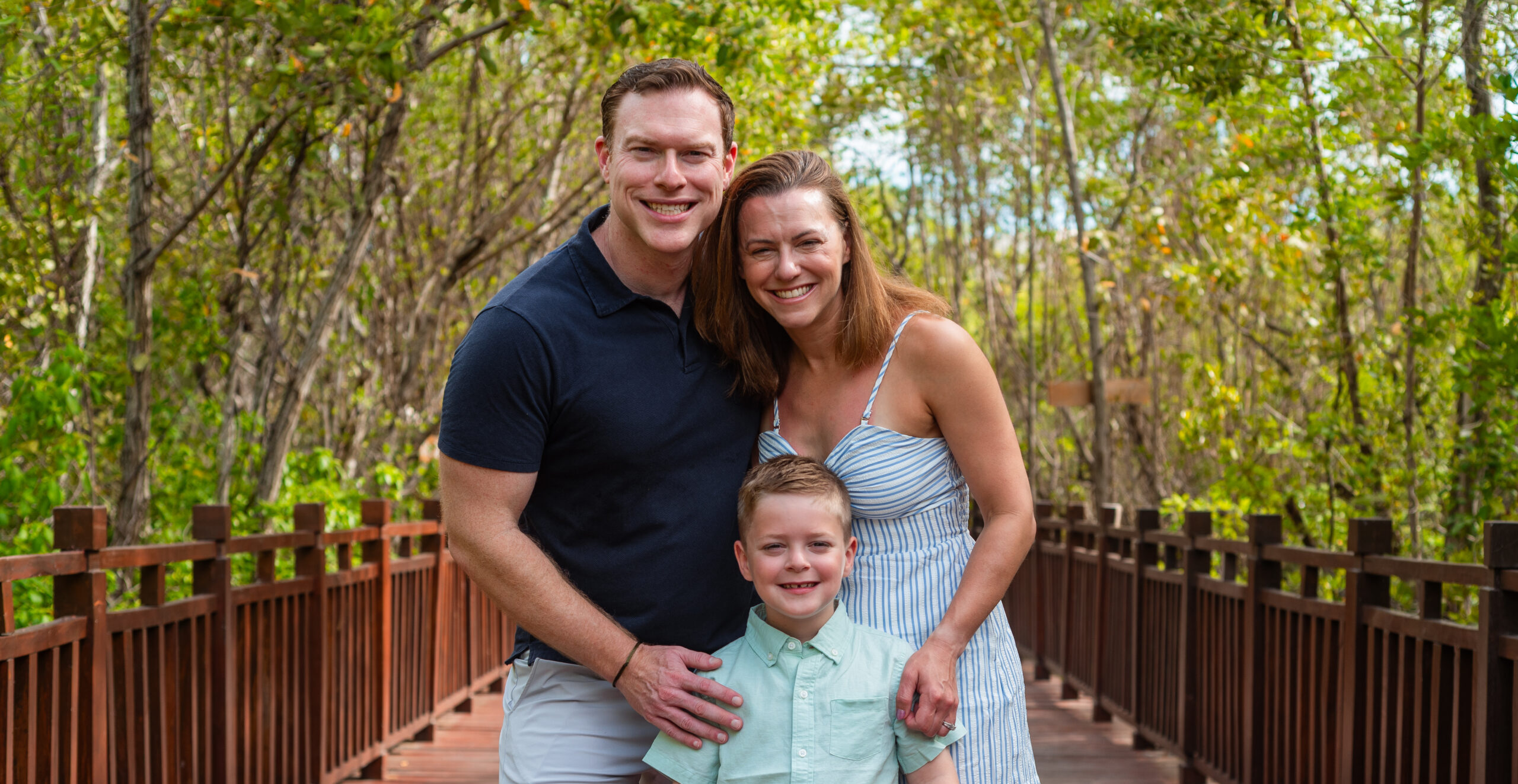
Shavuot begins at sundown on Friday, May 22, and in my house, that means one thing is already being debated: Where are we going for ice cream? 

Every year, as part of our Shavuot celebration, my family sets out to find a new ice cream spot. The annual tradition started as a nod to the holiday’s dairy customs and has become one of those rituals my children would absolutely notice if we skipped.  

Over the years we have made our way through some wonderful places across Northern Virginia, including Alexandria’s Casa Rosada with its creamy gelato scoops, La Neveria Michoacana in Woodbridge with its authentic Mexican flavors, the always-bustling Mimi’s Homemade at Mosaic, and the inclusive Jake’s Ice Cream. Many others have earned a permanent place in our family memory since our first Shavuot outing to Peterson’s in Clifton. 

The search for this year’s spot is officially open. If your family has a favorite we have yet to try, email me! I am open to suggestions. 

Before you make a recommendation, you should understand the complexity of ice cream ordering with my crew. My husband is a mint chocolate loyalist. No negotiation, no detours, mint chocolate every time. My son gravitates toward citrus flavors, the brighter and tangier the better. My daughter prefers whatever is the least sweet.  

And me? I am on an eternal quest for off-the-beaten-path flavors. Black sesame. Corn (yes, corn, and it was absolutely delicious). Sambayon. Cherry blossom (made from the actual flower). If it sounds unusual and a little adventurous, I will order it. 

Finding one shop that satisfies all four of us is a challenge and a large part of the fun. 

What Is Shavuot and Why All the Dairy? 

Your family might not be as familiar with Shavuot as you are with Passover or Purim, but it is a joyful and meaningful holiday worth a closer look. Celebrated seven weeks after Passover, it marks the moment the Jewish people received the Torah at Mount Sinai. PJ Library describes it beautifully as a time to celebrate both the harvest and the gift of Jewish wisdom.  

Why do we commemorate receiving the Torah by eating dairy foods? One of the most beloved explanations for this custom is that when the Jewish people received the Torah, they had not yet learned the laws of kosher meat preparation. Afraid of inadvertently making a mistake, they ate dairy instead.  

Another custom is that on the first night of Shavuot, Jewish communities around the world observe Tikkun Leil Shavuot, which means “repairing the night of Shavuot.” We stay up through the night to study Torah, read, discuss, and learn together. It is a powerful reminder that Jewish wisdom is not just inherited, it is actively chosen by each generation.  

Three Things to Do at Home for Shavuot 

  • Decorate with flowers and greenery. According to tradition, Mount Sinai burst into bloom the moment God gave the Jewish people the Torah. Bring that spirit into your home by decorating your table or front door with flowers. Let your little ones pick blooms from the garden or make paper flower crafts together. This beautiful tradition is genuinely delightful for children. 
  • Read a Shavuot story together. You do not have to stay up all night to add a little learning to your holiday. Family story time is an acceptable alternative. PJ Library has wonderful Shavuot books and resources to bring the holiday to life for young children. Try a book about Ruth and Naomi (whose tale is read during the holiday) or the giving of the Torah on Mt. Sinai. Reading together as a family is a meaningful way to welcome any holiday (and you can always sneak in some adult learning after the kids are in bed). 

However you choose to mark the holiday this year, we hope your Shavuot is filled with sweetness, meaning, and connection. And, ideally, the perfect scoop of ice cream! 

You can celebrate Shavuot with the Pozez JCC at the following events: 

Camp Kesher fundraiser at Jake’s Ice Cream: Order a cup or cone of delicious small-batch ice cream flavors, and proceeds will go toward camp scholarships and inclusive programming.  

Shavuot in the park: Join other young families for a park play date with a sweet treat.  

Chag Shavuot Sameach! Happy Shavuot!

A Jewish Lens on Conflict Transformation

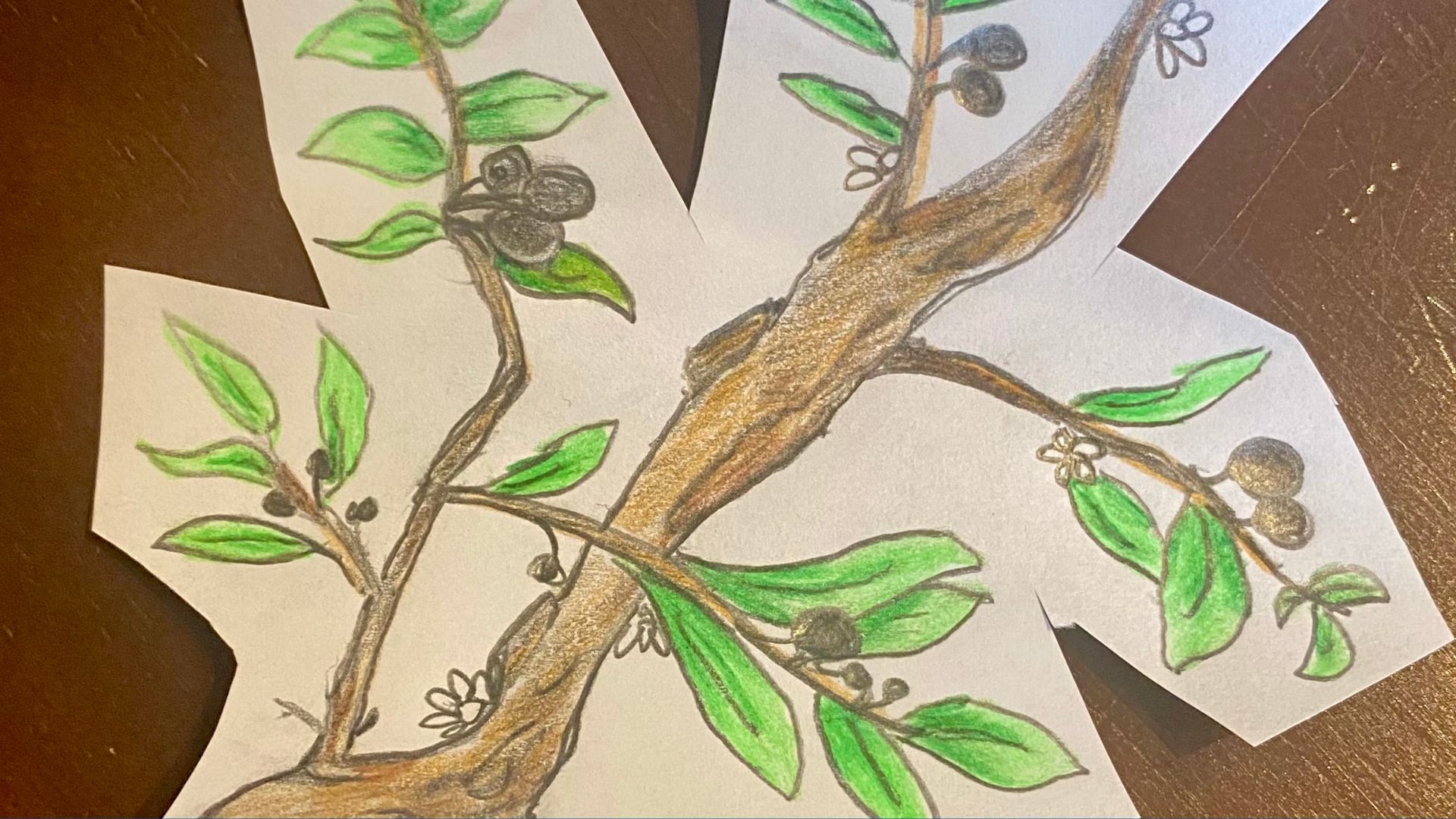
This Passover I added an olive branch to my seder plate.  After doing a bit of research on how to acknowledge the conflicts around the world, I landed on the olive branch as a sign of peace.  In doing so, I realized I might also create a space for dialogue at the Seder table where not every family member agrees on how to achieve peace.  My father encouraged me, reminding me, reminding me to allow everyone to be heard, to build community by acknowledging that differing opinions are both expected and honored. 

This notion was echoed in the Pardes Institute’s Mahloket Matters Fellowship I participated in this fall. A mahloket is a disagreement. The fellowship posited that Jewish teachings promote constructive disagreement, creating space for deeper meaning, relationship building, and better solutions — essentially transforming conflict into a method to build bridges and community. 

What’s Jewish about constructive disagreement?  You may have your own answers for this drawing from your recent Passover Seder or family squabble! Diving into rabbinical texts in the fellowship, we explored the notion that not even Moses was blessed with knowing everything. This humbles each of us to accept that truth for ourselves as well.  We also learned that the Sanhedrin (Jewish supreme religious court) encouraged disagreement (not uniformity) to find better solutions. 

According to Pardes’ Mahloket Matters Fellowship, the four pillars of a constructive disagreement are: 

  1. Debate the issues without attacking people and harming relationships. 
  1. Check your motivation.  Are you trying to win or to understand and solve problems? 
  1. Listen to the other side and be open to admitting that you might be wrong. 
  1. Consider that you might both be right despite holding opposite positions. 

In the spirit of constructive disagreement, I used the olive branch on my seder plate to open a conversation where the diverse perspectives at my table could be respected.   

This spirit is what led me to the Pozez JCC, where we build community every day by listening to everyone and making space for disagreement.  The six J-Family Ambassadors I support are opening conversations with young Jewish families looking to connect and build community throughout Northern Virginia.  They are creating events based on their community’s expressed desires and meeting people where they are to support growing families and their Jewish identity. 

The Pozez JCC has supported the J-Family Ambassador Program from its inception here in Northern Virginia and promotes an environment of learning and dialogue. Pozez leadership also encouraged my participation in Mahloket Matters, recently hosted a workshop from For the Sake of Argument (a program that also builds skills for constructive disagreement), and continues to support diverse and thoughtful programming with a welcoming communal atmosphere.  We always welcome suggestions, so if you have a program you want to see, please let us know! 

You can join us in the spirit of building a rich, diverse community in any of the following ways: 

  • Come to the Pozez JCC and see what the buzz is about!  You’ll always find a friendly face and an engaging activity, ranging from special events to fitness to Mah Jongg in the lobby.  

The Yoms: An American and Israeli Perspective


We, as a Jewish community, are readying ourselves for holidays that call on us to hold joy and sadness at the same time. They are The Yoms: Yom HaShoah, Yom HaZikaron, and Yom HaAtzmaut.

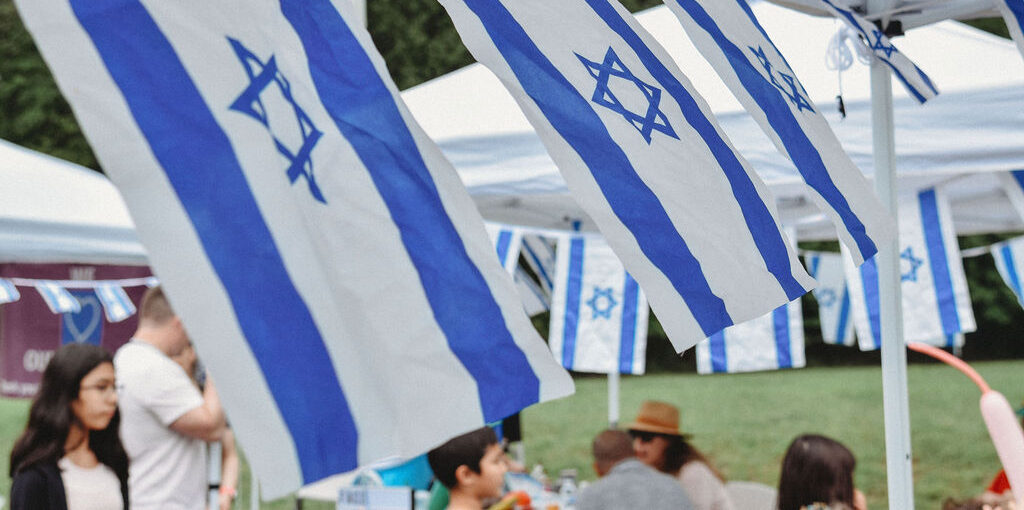
At sundown tomorrow begins Yom HaShoah, or Holocaust Remembrance Day, which commemorates the millions of Jewish lives stolen by Nazi terror and lifts up stories of Jewish resistance. A week later is Yom HaZikaron, Memorial Day for fallen soldiers and victims of terror in Israel. And then, just 24 hours later, comes Yom HaAtzmaut, Israel Independence Day — linking the very existence of the State of Israel to those who risked everything for it.

Here at the J, we create space with intention, encouraging our community to sit in our pain, learn with and from one another, and engage with remembrance to process our emotions and power our resilience.

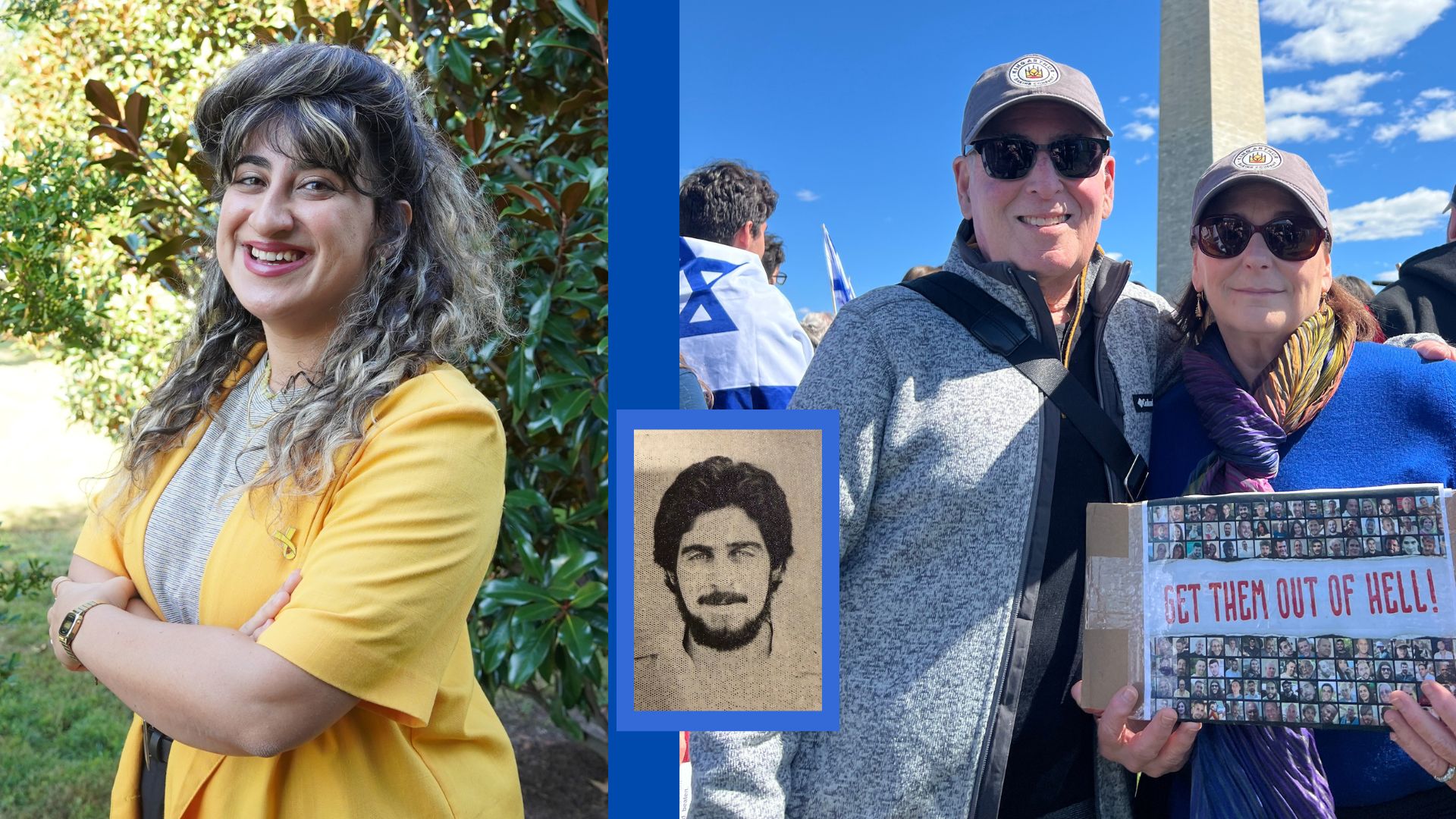
The coming days will be meaningful and challenging for our community. To give perspective, Chen Sara Mordechai-Kedar, our shlicha (Israeli emissary), and David Selden, a philanthropist and lay leader with a long-standing commitment to Jewish life, share their experiences on The Yoms and reflect on personal moments of commemoration and celebration.


From Stories to Memory

Our shlicha Chen Sara Mordechai-Kedar is a self-described “Tel Avivian girl” who grew up in Rishon LeZion, a city on the shore of the Mediterranean Sea.

Every year — on the same day, at the same time — she heard the tzfirot, the sirens marking Yom HaZikaron. The first one sounded at sundown, lasting for one minute. The second one blared the next morning for two minutes.

During those moments, all of Israel stopped. Traffic came to a halt. No one moved or talked. Everyone stood in stillness and silence.

“As a kid, you try to be very serious and do this, but sometimes you end up laughing because you’re embarrassed. You’re only starting to understand the rules and experiences of your country,” Chen said. “But when you grow up, and especially after army service, this day completely changes for you.”

As Chen, now 32, grew older, she felt the weight of loss. Yom HaZikaron was no longer a secondhand experience, lived through stories told by a parent or a sibling. She had served as a commander in the Israeli army. She had stories of her own and people she held in her heart on Yom HaZikaron.

“This wasn’t my family’s sadness anymore; it was mine,” Chen said. “I could stand and think about people I knew who died. Suddenly this tzfira, this alarm, was very, very meaningful for me. And I couldn’t imagine hearing a kid laugh during it.”

And now, especially after October 7, transitioning from Yom HaZikaron to Yom HaAtzmaut is a greater challenge.

“Even when everybody is celebrating in the streets,” she said, “I always remember that it’s not so easy anymore.”

For Chen, this year will mark her first time teaching on The Yoms. She is helping to organize a series of programs, including a Taste of Israel, a celebration of Israeli culture and community, and Pass the Trauma, Please, an author talk with second-generation Holocaust survivor Todd Diamond about the effects of generational trauma, loss, and legacy.

Chen plans to draw on her own experiences to help our community learn and tap into the hope of the Jewish people.

“If you have a place like the J that can accept everyone, where everybody’s welcome to come and tell other people in the community what they feel, then that is a very meaningful place,” Chen said. “Here, people can show up and say what is on their hearts.”

Holding Grief, Holding Hope

David Selden, a lifelong philanthropist and poet, was raised in a Zionist home. He was surrounded by stories. Many he wrote himself. Others were passed down, like the story of his grandfather, who escaped persecution in Poland and found refuge in what is now Israel.

“Foundational experiences don’t leave you,” he said. “They persist and they grow and they reform.”

He had many of his own foundational experiences in Israel, beginning in 1973.

David, now 71, was a long-haired college kid in Massachusetts on October 6, 1973 — the beginning of the Yom Kippur War in Israel. He wanted to help, and after speaking with his parents, he went to Israel to volunteer.

His new home was Kibbutz Manara, perched on the northern border of Lebanon. He tended chickens and dodged rockets. He refused to speak English because he was determined to learn Hebrew. Using his arm as a sort of dry erase board, David wrote down Hebrew words so he would not forget them.

“Kibbutz Manara. I live there in my memories,” David said. “It bound me to the people. To history. To my place in that history.”

He stayed long after the war and was there for The Yoms, in a small apartment with his host family and a visitor. On Yom HaZikaron, the visitor wailed louder than the siren, David remembered. He had lost his only son in the Yom Kippur War.

“I can hear him now,” he said. 

Remembrance is personal in Israel, as everyone knows someone who has been killed in uniform or in a terrorist attack. Across a small country where nearly every citizen has to serve to mitigate security threats, loss and sacrifice are a part of daily life.

“From the sirens to the community to the very feelings of those who have suffered the greatest loss of all,” David said, “there’s a lot to be learned by how Israelis mourn together in ways that you can only learn by doing.”

He remembered another moment in Israel: visiting Yad Vashem, the Holocaust museum. David stood before a memorial honoring children who were slaughtered, and then, he stepped outside.

“I saw the hills. I saw life,” David said. “I could express gratitude and look at a future that’s still there and evolving.” 

Then and now, David navigates the tension of The Yoms as he does every day: with poetry. Some of his recent poems have been influenced by the devastation impacting Israel and its neighbors. He said reality will challengeour search for light on The Yoms — but we must look for it.

“The idea of still finding that joy and fulfilling that catharsis, that mandate to express joy, is going to be incredibly challenging given what is going on. But we will do it. Because we are human beings. This is what we do.”

Affirmation
A poem by David Selden

As our world shudders and contorts
physics, heartaches erupt
as old volcanos sometimes do,
buds in dormant trees
peek out, seeking sun’s blessing,
we remain fixed on the given,
not the taken

The J continues to thrive because of Jewish leaders like Chen and David and because of generous donors like you. Your support ensures the J remains a place where we can be together in joy and sadness as we honor The Yoms. To continue sustaining our community from generation to generation, make a gift of your own.

When April Fools’ Day Meets the Seder Table: Leaning Into the Silly This Passover

 This year, something wonderfully unexpected is happening: the first night of Passover falls on April Fools’ Day. And honestly? We think that it is worth celebrating.  

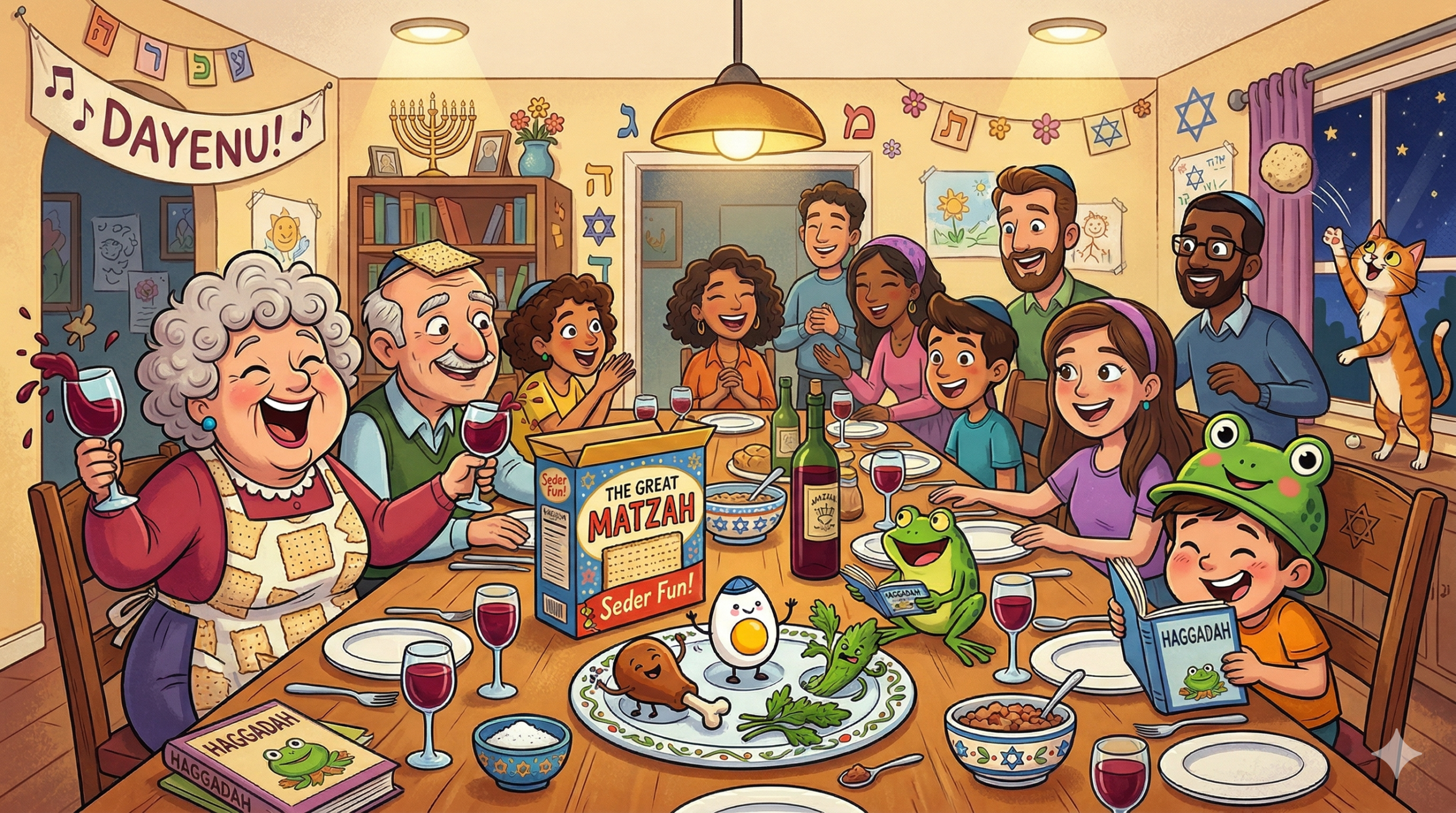
Passover has always had room for joy, laughter, and a healthy dose of chaos, especially when little ones are at the table. This year, instead of resisting the overlap, why not lean all the way into it? 

The seder is already full of built-in silliness. We dip twice, we recline, we open the door for Elijah, and we spend a good portion of the evening asking questions and telling a story through food. Children are not just welcome at the seder table, they are central to it, reciting the four questions and providing up-to-the minute commentary. The Haggadah is designed to spark curiosity, invite participation, and make the night feel different from all other nights. A little extra playfulness only deepens that spirit. 

What might a silly seder look like? Hey Alma (a Jewish culture website) recently asked their community to post about their silliest Passover traditions and received a delightful collection of creative ideas.  

Some families build matzah houses the way others build gingerbread houses, complete with vegetables and toppings. Others throw marshmallows during the plague of hail, hide tiny plastic frogs in each other’s shoes and cups, and have someone arrive in costume when the door is opened for Elijah. One family does Mad Libs for the Maggid. Another reads from a decades-old Haggadah full of typos and considers it a sacred obligation to pronounce every word exactly as printed. 

These traditions are a wonderful reminder that Jewish families have always found ways to make the seder their own. 

If you are looking to take the fun a step further, Recustom (an online platform for exploring Jewish rituals) offers a Comedy Seder Haggadah that brings humor directly into the ritual. A comedy-forward Haggadah can be a wonderful way to keep older kids and teens engaged, welcome guests who are new to the seder, and shake things up in the most joyful way possible. 

Here are a few easy ideas to bring more laughter to your table this year: 

  • Give everyone a silly prop to wear during the telling of the plagues. We use plague headbands at our house, but you can also buy masks and finger puppets.  
  • Let the kids be in charge of sound effects during the recitation of the Passover story or ask them to act it out. 
  • Try reading a section of the Haggadah in a funny accent, chosen at random.  
  • Change the rules to the afikomen game. Reverse the roles of kids and adults in stealing, hiding, and searching for the afikomen. Or, allow each kid to hide a piece of matzoh and decide who should find it.  
  • Give a silly afikomen prize (brussels sprouts, anyone?). 
  • Recite the seder backwards. 

The seder has survived thousands of years not because it stays the same but because every generation brings something new to the table. This April Fools’ Passover, we hope yours is filled with matzah, meaning, and more than a few good laughs. Chag Sameach! Happy Passover! 

Young families looking for more Passover fun can join two Growing Jewish Families events during the holiday.  

Finding Light All Year Long: How the Pozez JCC Helps Jewish Families Feel Seen, Connected, and Proud

December can be complicated for many American Jewish families. While lights twinkle at neighbors’ houses and storefronts fill with Christmas trees, Hanukkah, and Jewish identity more broadly, can feel overshadowed. Parents at the J often share that even well-meaning questions like “What’s on your Christmas list?” can leave their children unsure of how to respond. 

That’s why, every December, the J steps forward with joyful, welcoming programming that celebrates Jewish identity in ways that feel both proud and affirming.

“Although Hanukkah is a relatively minor holiday, it becomes a major marker of Jewish visibility at this time of year,” says Amy Lummer, Family Engagement & Community Partnerships Director. “We strive to create space where every family feels seen and where Jewish celebrations shine in their own right.”

This year, the J is hosting two large community Hanukkah celebrations, each expected to draw hundreds. Smaller gatherings hosted by Growing Jewish Families (GJF) will offer storytimes, relaxed playdates, and meetups at parks and donut shops.

“All through December, our programs are Hanukkah fun for every age,” Amy says. “Our goal is for every child and parent to feel proud of their heritage and confident that their celebrations are valued within the broader community.”

That sense of belonging doesn’t fade when the menorahs are put away. At the J, December is just the gateway to a year filled with connection. And for many families, that connection begins the moment they arrive in Northern Virginia.

For newcomers, GJF offers a warm landing place. Its J-Family Ambassadors meet families one-on-one, help them navigate local resources, and create easy, low-pressure ways to connect Jewishly through playgroups, holiday events, coffee meetups, and neighborhood gatherings.

For Elisabeth Kopecky, who moved to NoVa last year with a toddler, an infant, and a husband on active military duty, GJF quickly became an essential support network.

“This program just makes it so easy,” she says. “You’d have to try not to be involved. There are so many activities and so many people to meet.”

What started as a search for community became something deeper.

“Tracy, one of the GJF ambassadors, has become one of my closest friends,” she says. “She watched my older son while I was giving birth to my younger one. GJF is very much the center of our support system here.”

The connections have been meaningful not only for Elisabeth but for her children as well, becoming an anchor during a period of transition.

That continuity is part of what makes the J feel like a year-round home. School-Age Services Director Greg Feitel says the J’s programs are intentionally designed to grow with families. Many children begin at the Early Childhood Learning Center (ECLC), then move into Chai 5 after-school care, participate in Vacation Days programming during school breaks, and sign up for Camp Achva in the summer. 

Jewish values are the foundation of all of these programs.

“The philosophical underpinnings of all our programs are 100 percent Jewish,” Greg explains. “It’s not a strict religious practice, but a value system: creating positive associations with Judaism and a welcoming environment for anyone who comes. Our planning process dives into whether each activity creates a more joyful experience or another place for connections.”

Families feel the impact of that intention. Rachel Davis, whose son Sammy is now in first grade, says the J has helped her family build lasting friendships since moving back to NoVa three and a half years ago. Sammy started in ECLC, then continued into GJF programming, Vacation Days, and Camp Achva.

“Last summer was his first at Camp Achva, and we’ll have him back this coming year,” Rachel says. “He had such a blast reconnecting with preschool friends and making new ones.”

The J’s holiday and school-break programs also help Sammy stay connected Jewishly.

“As kids get older, they notice all the Christmas stuff,” Rachel says. “For Jewish kids, being able to celebrate Hanukkah with the community helps them feel involved. It gives them a sense of pride in their Jewish identity.”

She’s also found her own community at the J, connecting with other parents, joining a monthly Mah Jongg group, and watching her husband find his own place through the J’s fitness classes.

“When you’re moving to a new area, finding community is so important,” she says. “The J has been that place for us.”

Much of what families experience at the J is strengthened by community support behind the scenes. A generous donation, matched by community contributions, recently made it possible to renovate the ECLC playground, giving young learners a safer and more engaging outdoor space. GJF and Camp Achva continue to expand thanks to grant funding that supports infrastructure and program enhancement. And across all departments, volunteers play a key role by giving their time to help programs run smoothly and remain accessible.

As camp registration opens in mid-December, the J’s full-circle approach becomes clear. Families may walk through the door because they’re looking for a Hanukkah celebration, but they stay because they’ve found a community where they belong, one that carries them through every season, every transition, and every stage of childhood. The J provides that support in large part because of donors who believe in building a community where Jewish families feel seen, supported, and proud all year long.

Because being Jewish can feel different, especially in December. But at the J, families never have to feel alone.

Interested in helping families feel connected all year long? Consider registering for an upcoming program, volunteering your time, or making a donation that helps our community shine brightly.

Find Your Chosen Family at the J

When you don’t have family nearby, holidays can feel more intimidating than joyful. 

I moved to Northern Virginia in April 2016, the week before Passover. We didn’t know anyone Jewish in the area, and as our home was still half full of boxes, we asked a local synagogue to match us with seder hosts. Their hospitality was lovely, but making small talk over matzoh while keeping an eye on a fidgety preschooler and toddler was awkward. I wasn’t keen to repeat the experience for the fall holidays. 

That gave me nearly half a year to find “my people” — new friends to share my holiday table at Rosh Hashanah, Sukkot, and Chanukah. But where do you meet people as the parent of small kids when you work from home? The answer turned out to be the J. 

Every afternoon, I drove to the J to pick up my kids, first at the ECLC then at camp. Inevitably, my daughter would refuse to put on her shoes, so we would wait in my son’s preschool classroom until she was willing to put on outerwear. Once summer came, I had to physically extract my son from his beloved counselors on a daily basis, which always took longer than expected. Needless to say, I spent a lot of time at the J! 

Which meant I started to recognize and talk to the “regulars” there. I chatted with other preschool parents when we arrived at the same time to pick up our children, waiting for the kids to shed their Elsa dresses or finish their art projects. I said hi to folks I recognized from our synagogue, and we asked each other what brought us to the J. Conversations turned into play dates and occasionally a Shabbat dinner. 

I also connected with the J’s Growing Jewish Families program. I met one of the ambassadors for coffee, and she told me about area events, such as apple picking and ice cream socials, perfect for meeting other families with young kids. 

I even started talking to strangers! I always crossed paths with this one woman, who was about my age with curly hair just like mine; on more than one occasion, folks at the J confused me for her. I finally had a real conversation with her when we both showed up to a planning meeting for a new women’s Rosh Chodesh group. It turns out she worked for the J and was also an ECLC parent, plus we shared a Boston connection. Her family was one of the first people I invited over to my new house, when my dining room was set for hosting but my living room still had no furniture. 

Thanks to the J, when the holidays rolled around again, I had a new, chosen family to invite to my Rosh Hashanah dinner and Chanukah party. No need for holiday blues or awkward small talk with strangers. 

Whether you’ve moved here for work or to be closer to your grown children, or you’re a longtime resident whose friends and families have moved away, you, too, can find your people at the J. Make a friend at a pickleball or mah jong class, chat with fellow parents at preschool or Chai 5 aftercare pickup, find a workout buddy at the J-Fit gym, or connect with others over volunteer work, art openings, and speaker events. Your holiday table – not to mention your social calendar – may soon fill up. 

Ready to make new friends and discover your chosen family? Check out the J’s calendar of events to find a program that fits your schedule and interests. 

Shlichut: A Bridge That Endures at the Pozez JCC

For 18 years, the shlichut program at the Pozez Jewish Community Center has served as a living bridge between Israel and NoVa. Through the presence of an Israeli emissary, or shaliach, the program has offered a personal connection to Israel for community members, many of whom have never visited the country or met an Israeli before.

“It’s one thing to meet an Israeli by chance,” said Zina Segal, senior director of community engagement at Pozez JCC. “It’s another to meet a shaliach who has been trained to answer complicated questions, share their own story, and create spaces for dialogue. That is the unique power of this program.”

L’hitraot to Dean Bagdadi

This August, the community bid farewell to Dean Bagdadi, who concluded three years as Pozez JCC’s senior shaliach. From his earliest days, Dean embedded Israel as a central pillar of community life, through headline events like vigils with more than 1,000 attendees, and through quieter gatherings like weekly discussion circles and coffee dates.

Dean’s authenticity left a mark.

“He touched so many lives because he was open and nonjudgmental,” Zina reflected. “People felt they could ask him anything, and he would meet them with patience and calm.”

October 7 transformed his work overnight. Just 30 hours after the Hamas attacks, Dean convened an impromptu gathering of clergy, professionals, and community members. Days later, he helped lead a massive vigil uniting synagogues across denominations. The months that followed brought a surge of engagement, as people sought connection, solace, and understanding.

“In a short time, Dean drastically shifted the environment in Northern Virginia, helping us to build bridges and connections with one another,” said community member Aviva Walls. “He led with his heart, and we all felt it.”

A New Beginning with Chen Sara

With Dean’s departure, the program now enters a new chapter. The community welcomed a new shlicha in August: Chen Sara Mordechai-Kedar.

“Dean filled his shoes, and now Chen Sara brings her own,” Zina said. “Every three years we bring someone new with different skills, experiences, and perspectives, so the community connects with Israel in fresh ways.”

Chen Sara, a self-described “community nerd,” says people are her hobby. She thrives on dialogue, believing no question is too rude if it comes from genuine curiosity. Chen Sara, a half-Mizrahi and half-Ashkenazi Jew who identifies as LGBTQ+, will lean on her multifaceted identity to bridge differences and foster belonging.

Her story is deeply global. After her army service, she spent time in Cambodia, where she helped establish a sustainable community clinic that still operates today. “I see this work as an expression of tikkun olam, repairing the world,” she said. She also carries insights from Israel’s travel culture, noting that “Israelis often prioritize exploring the world over comfort at home, an impulse that reflects our deep curiosity and adventurous spirit.”

Above all, Chen Sara wants to open doors for dialogue, even across divides. She dreams of creating open, respectful spaces where people who generally disagree with one another can talk face-to-face productively.

Why Shlichut Matters

The shlichut program in NoVa is one of only two in the region, despite being home to the largest Jewish population in the DC area. For Zina, that makes it especially meaningful.

Shlichut is about more than programs,” she said. “It’s about relationships. It’s about welcoming someone into our community who shares their life story and, through that, helps us strengthen our own Jewish story.”

As the community reflects on Dean’s impact and warmly embraces Chen Sara’s fresh perspective, the through-line is clear: Pozez JCC’s shlichut initiative is not merely for our community to learn about Israel or meet an Israeli, but to sustain a living and lasting bridge to Israel. By hosting, supporting, and integrating our Israeli emissaries, the J is ensuring that this connection continues to help shape the Northern Virginia Jewish community year after year.

Make It Yours

Are you done with your Rosh Ha-Shanah shopping? By the time I’m finishing this blog on Friday afternoon, my kitchen is already stocked with simanim: pomegranate, beets, pumpkin, honey, apples, green beans, scallions, fish, and carrots. Dates are still on my list, and I’m debating what will stand in for the ram’s head (most likely one of my kids’ Lego figurines will meet its fate…). 

But full disclosure — the most important delivery for our Rosh Ha-Shanah party isn’t the food. It’s the costumes. On the way are Abby’s floral t-shirt, purple wig, and yellow beanie; Jinu’s white t-shirt; Romance Saja’s yellow shirt with pink heart-buttons and pink wig; and Rumi’s deep purple wig with the long braid. If you’re confused right now, it means you don’t live with pre-teens or teens and haven’t been pulled into the world of K-Pop Demon Hunters. And even if you have watched it, you’re probably still wondering how this connects to Rosh Ha-Shanah! 

Here’s how: every year, our family hosts a big Rosh Ha-Shanah party with 5–8 families — usually 25–35 people. Each family brings food and a creative gift (a song, poem, dance, comedy act) tied to the theme of the year. One year it was Seven Days of Creation, another year it was simanim. This year’s theme is Rosh Ha-Shanah Around the World. Each family chooses a country and brings both food and a creative expression about Rosh ha-Shanah in this culture. When I asked our boys (ages 5 and 9) which country we should choose, they screamed in unison: KOREA! 

So… this year, we’re rewriting the lyrics to a K-Pop Demon Hunters song as a Rosh Ha-Shanah song. In Russian. (Don’t ask — it somehow makes sense in our house.) 

So why am I sharing all of this with you? Because I have a few wishes for you before the holiday: 

  • I wish you a community that matches your level of “crazy” — one that’s ready to laugh, sing, cook, and celebrate Jewish tradition together in creative ways. And if you’re still looking for that kind of community, Pozez JCC is a great place to find it. 
  • I wish you the courage to make Jewish tradition yours. Our heritage is ancient, rich, and endlessly relevant to modern life. There’s room for Torah and Talmud, but also for poetry, art, and yes — even K-Pop. 

If you’d like to explore how to bring Jewish traditions to life in ways that feel joyful and meaningful for you, I’d love to help. You can schedule time with me here. 

And if you need last-minute inspiration for your holiday table, here are a few links for inspiration: 

  • Sweeten your holiday prep — follow @miriams__kitchen for quick, creative Jewish recipes and baking ideas 

(Oh, and in case you were wondering: the K-Pop costumes did arrive while I was finishing this blog. Depending on how our performance turns out, I might even share it on my social media after the holiday!) 

Shanah Tovah U’Metukah — may it be a sweet, joyful, and meaningful new year! 

Challah: A Gateway to Jewish Life and Community

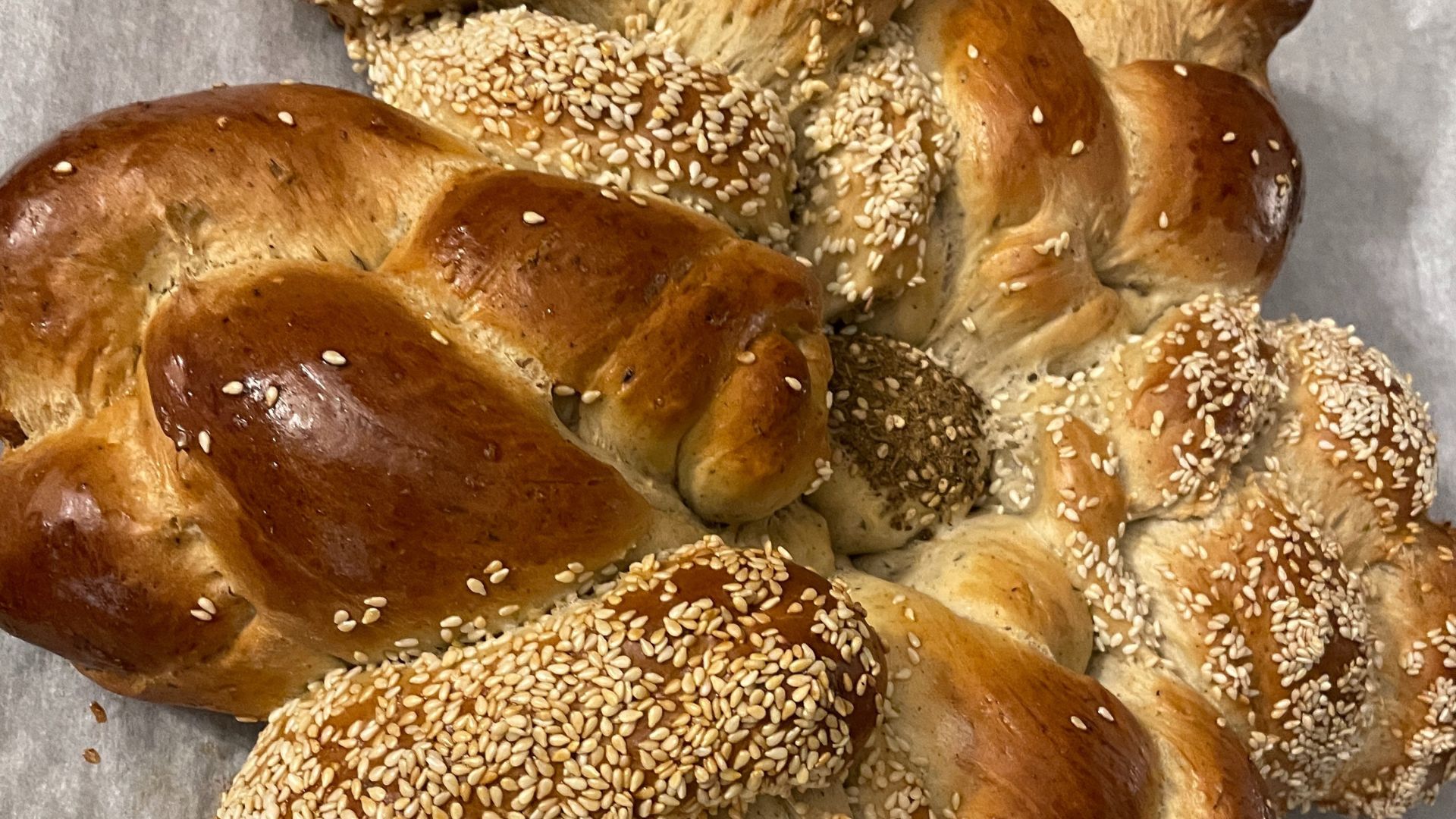
One of my first real Jewish experiences was with challah. I hadn’t grown up with it, but the moment I tore off a piece, I knew it was more than just bread. I’ll never forget its softness, its richness, or the delicate way it pulled apart. Before I understood any of the Shabbat prayers or traditions, I understood that challah was about pausing, gathering, and sharing.

Over time, challah has become one of my favorite symbols of Jewish life because of the way it connects us. A simple three-strand braid is quick and easy, while a six-strand braid feels like a joyful challenge. At Rosh Hashanah, the round challah reminds us of cycles and new beginnings. And no matter where you eat it; at a beautifully set Shabbat dinner table or pulled apart at a baseball game; it’s equally delicious, equally meaningful.

Challah has also been a gateway to community for me. Just like Shabbat, it shows up in so many ways, inviting us in. That’s one reason I love our Growing Jewish Families’ Tot Shabbat Train, which starts again on September 13. When my children were little, the Tot Shabbat Train was how we connected with our synagogue for the very first time. That sense of welcome and belonging has stayed with us; my oldest is now 14 and is still connected to that same synagogue because of those early moments of singing, stories, and, yes, challah.

Every time I bake or share challah now, I think of how it holds more than dough; it holds memories, connections, and a sense of home. It reminds me that Judaism isn’t only found in the big holidays, but also in the everyday sweetness of pausing for Shabbat, singing with our children, or tearing into a loaf together.

May the High Holiday season ahead bring us more reasons to gather, to celebrate, and to share challah, egg-rich, sweet, and full of connection.

Shavuot: More Than Just Cheesecake (Though We Love That Too!)

When I was growing up, Shavuot got left out of Temple celebrations in Religious School because the holiday always fell after Religious School had ended it’s year. It wasn’t until Confirmation that I learned about the holiday and the significance of it. I was one of the Torah readers for our confirmation service. The portion is actually the 10 commandments and I remember the words taking on new meaning.

Shavuot celebrates the giving of the Torah on Mt. Sinai. This was a transformational moment for the Israelites as a Jewish People. Moses receiving the 10 commandments from God on Mt. Sinai made us a cohesive group, with rules and laws and purpose, not just a group wandering in the desert escaping slavery. Accepting the Torah is a big deal—it was for them then, and it still is for us now.

In the Early Childhood Learning Center (ECLC), the themes we bring out on Shavuot are not new. They are things we talk about and practice all year long. Tikkun Olam (repairing the world) and Mitzvot (good deeds) are familiar words and actions. The “Book of Ruth,” a traditional Shavuot story, fits in well with our efforts to foster kind and caring friends who help each other. We look for ways to take care of the community around us. The 10 commandments themselves give us lots of room for discussion and conversation with our young friends. For example, we celebrate Shabbat in our classrooms and together, as a school, each week! Commandment 4 – CHECK!

And, of course… Shavuot is known as the Dairy holiday, in reference to Israel being a land that is flowing with milk and honey. Dairy treats are always a favorite. We sometimes even like to make our own ice cream in the classrooms (milk, sugar and a ton of shaking!) This and so many other activities are meaningful memories that are the building blocks of strong Jewish Identities for our kids and our families.

Chag Shavuot Sameach! Wishing you a meaningful holiday filled with ice cream (and maybe a few blitzes and absolutely some cheesecake.)