

A Year of New Connections: Looking Ahead with Jeff Dannick
The new year is coming — the fiscal new year that is.
This marks a significant moment at the J, a designated time to think big, reset our strategy, and ensure we continue to do all we can to build Jewish community in NoVa.
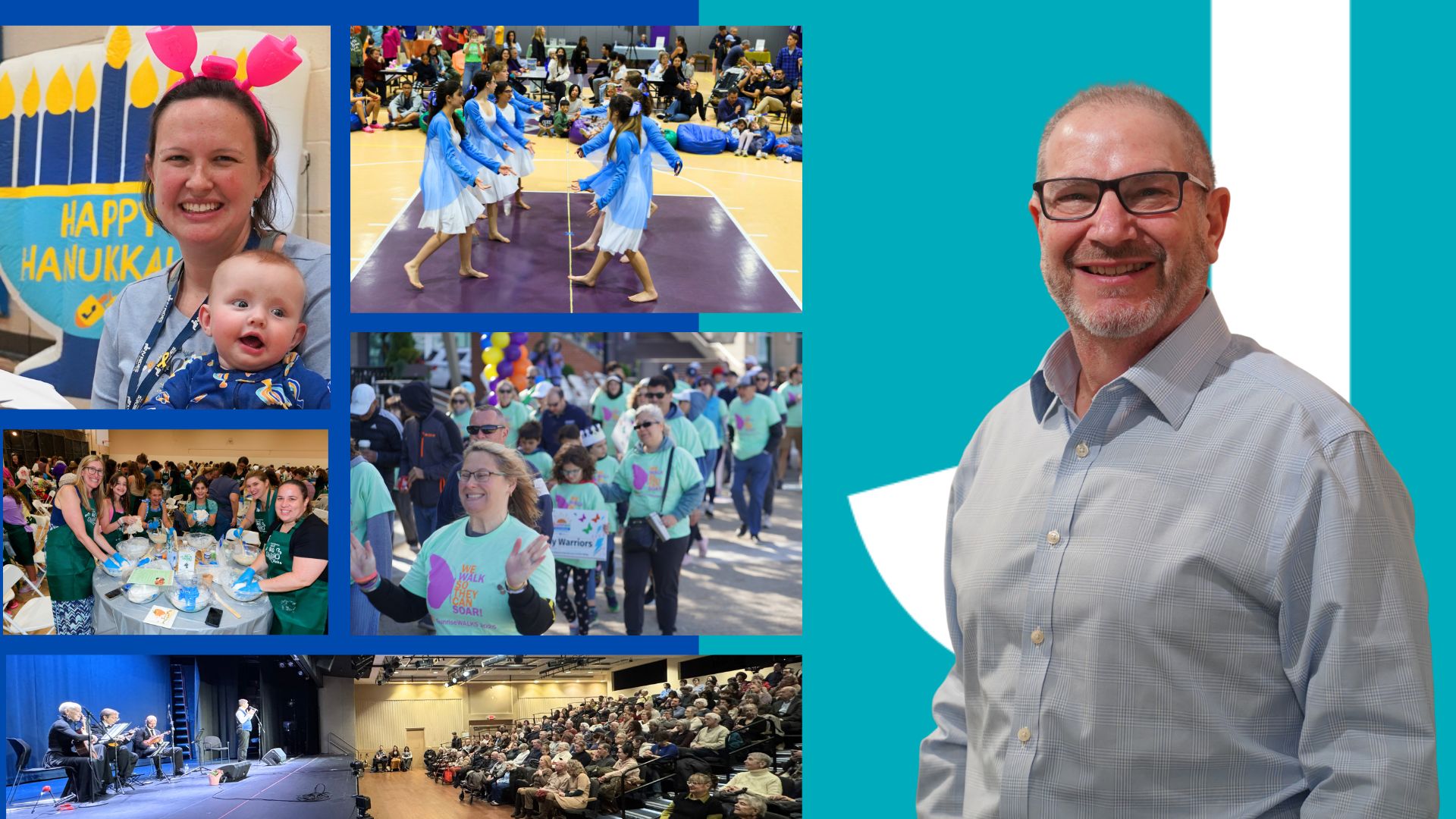
To prepare for a new year of meaningful programs, community partnerships, and innovative, out-of-the-box initiatives, we spoke with Jeff Dannick, Executive Director of the Pozez JCC (the J). Below are highlights from our conversation about his priorities and vision for the J as a convener of Jewish life in Northern Virginia.
Q: The J’s fiscal year starts this summer. What are your primary goals for 2026-2027?
A: The first piece is expanding our reach into the broader Jewish community across Northern Virginia. That means working closely with partner organizations, synagogues, Federation, Gesher JDS, and others to be the connective tissue of Jewish communal life. We want to meet people wherever they are and help them find meaningful ways to engage. That includes creating ways to help them become connected to other community members, or create or join a microcommunity. That could also include connecting them to a Jewish institution. We need to provide all kinds of support.
The second piece is what we do inside of our building, that is how we deliver our existing programming, what we do to grow our membership, the effort we make to meet the changing needs of our community, and how we lean into the tension and discomfort of our times with thoughtfulness and respect.
Q: You mentioned leaning into tension and discomfort. What does that look like at the J?
A: We are creating a big tent, where people with differing backgrounds and views feel comfortable expressing themselves in a safe, respectful environment. We want to help people learn how to have difficult conversations. How to argue without being argumentative. How to disagree without being disagreeable.
For example, how do we support Israel in ways that align with our values? Those tensions, I think, are more critical than ever in our Jewish community. And if we’re going to come through this period of increased antisemitism and conflicts around the world, we have to figure out how to be together in community and recognize what holds us together rather than what divides us.
Q: What new initiatives or partnerships are in development?
A: One particularly exciting initiative has been three to four years in the making. We’re preparing to launch JLive, a new digital platform in partnership with The Jewish Federation of Greater Washington. Jewish organizations across the region will be able to post events, programs, and opportunities. Users will be able to search based on their specific interests, life stage, and geography, making it easy for them to discover what’s happening throughout their Jewish community.
Our hope is that this platform will become a centralized hub that connects individuals with opportunities while also giving organizations valuable insights into what the community is looking for. More to come!
Q: Social impact seems to be a growing focus for the J. Why is that important?
A: We believe many people express their Judaism through the ways they live their lives and the impact they have on others. For some, living Jewish values means participating in synagogue life or observing rituals. For others, it means tikkun olam, repairing the world through service, advocacy, and acts of kindness. We want the J to be a place that supports both and helps more people engage with Jewish life through social impact opportunities rooted in Jewish values.
Q: How will the J continue to engage younger generations and those who may feel less connected to Jewish communal life?
A: Younger generations are often looking for opportunities to make a difference in our world, so we’re exploring more ways to connect Jewish engagement with social impact, volunteerism, and microcommunity building.
At the same time, we recognize the needs of families raising young children differ from those of single adults or couples without children. So we’re trying to do a lot of listening this year to understand what it is they’re looking for and figure out how we can deliver it.
Q: You’ve mentioned efforts to create microcommunities. What are you envisioning?
A: Microcommunities can cut across generations and bring people together. One microcommunity we’re exploring is for parents. While there are many strong programs focused on engaging children and young families, we’re hearing that parents themselves need more support, whether around stress and anxiety, developmental or mental health challenges, or navigating the realities of parenting at different stages.
We’re envisioning a parenting center without walls, a collaborative, community-based support network developed in partnership with other organizations throughout Northern Virginia.
Q: What challenges do you anticipate in the coming year?
A: Like many organizations, we continue to navigate financial challenges stemming from COVID-era disruption, broader economic pressures, and changing patterns in how families live and engage in Jewish life. At the same time, global instability, from conflict in the Middle East and Ukraine to rising antisemitism, continues to affect our community in profound ways. We have to remain agile, thoughtful, and responsive while also strengthening our financial foundation through membership growth, fundraising, and program revenue.
Q: The J has long welcomed not only Jewish residents but people of all backgrounds living in NoVa. Why is inclusivity such a central part of the mission?
A: The J is a welcoming space for all. Being open to people of all faiths or no faith is foundational to the JCC movement and has always been part of who we are.
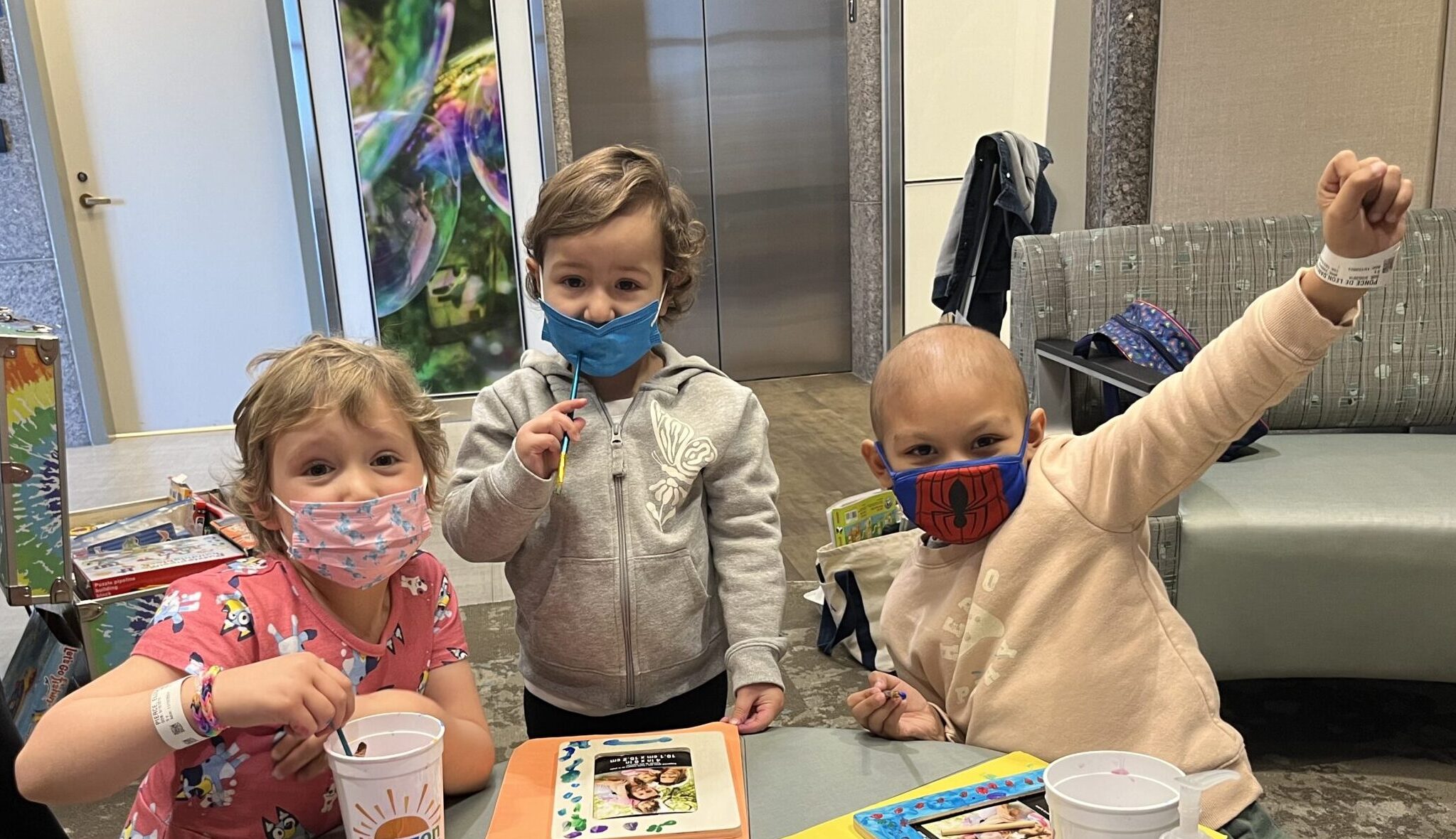
Just to point out a few examples: There is NV Rides, which connects volunteer drivers with older adults in need of transportation. To make this happen, we team with 14 partner organizations, many of which are faith-based and diverse. Another is Sunrise Day Camp, which is a free summer camp for children with cancer as well as their siblings. You don’t have to be Jewish. You don’t even have to live in Northern Virginia. The camp serves the entire DMV.
People need to know they have a community. And in fact, if we go back to our conversation about antisemitism, I personally believe the Jewish community cannot solve antisemitism. What we can do as a Jewish community is demonstrate to people of all backgrounds and faiths that we are a warm, welcoming people who care not only about the Jewish community, but the entire community. And that we want to live in partnership and in collaboration and in mutual support with all of our neighbors and friends. That’s core to what the Jewish community is about, and it’s absolutely central to the J.
Q: What do you most want the community to understand about the J?
A: We want people to think beyond the building. When many hear JCC, they think of a physical place. But increasingly, we see ourselves not just as a Jewish Community Center, but as a Jewish Community Connector.
The Northern Virginia Jewish community is so large and so spread out that having just one brick-and-mortar location is never going to be convenient for our entire community. We want to and need to connect Jewish life across the region through partnerships, programs, digital tools, microcommunities, and relationships.
We envision a Jewish community of Northern Virginia that even if it doesn’t have a geographic gravitational center, has a real sense of a collective Jewish community, where we support one another and where we embrace one another. And we’re on a path to achieving that. It’s a long road, for sure, but there’s a lot of opportunity for more engagement.
Q: What message would you like to leave people with?
A: In spite of all the challenges facing the world today, I want people to find joy in living their Jewish lives. We want to hear what people are looking for, what support they need, and how they want to engage. We are not prescriptive. Our programs often come from a kernel that we hear from somebody in the community, and then we try to respond. Many of our best ideas begin with listening.
Also, I want people to keep in mind that the J is a welcoming space. J programs, whether in the building or out in the community, are very safe places for people of varying faiths and families of multiple faiths to engage with Jewish community, with other Jews, and with other people in similar life stages.
And if there are more ways that we can help support our community, we are all ears.⸻